
Contents
- 🎵 Origins & History
- ⚙️ How It Works
- 📊 Key Facts & Numbers
- 👥 Key People & Organizations
- 🌍 Cultural Impact & Influence
- ⚡ Current State & Latest Developments
- 🤔 Controversies & Debates
- 🔮 Future Outlook & Predictions
- 💡 Practical Applications
- 📚 Related Topics & Deeper Reading
- Frequently Asked Questions
- References
- Related Topics
Overview
Esotericism encompasses a vast and diverse array of Western intellectual, spiritual, and philosophical traditions that stand apart from mainstream religious dogma and secular rationalism. These "hidden" or "inner" teachings, often characterized by their focus on secret knowledge, mystical experience, and the pursuit of spiritual transformation, have profoundly shaped Western culture for millennia. From the hermeticism of antiquity and the alchemical quests of the Middle Ages to the ceremonial magic of the Golden Dawn and the New Age movements of the 20th century, esotericism represents a persistent undercurrent of alternative worldviews. Its influence is traceable through Western philosophy, art, literature, and even scientific inquiry, often existing in tension with, yet undeniably contributing to, the broader intellectual landscape. The study of esotericism itself has become a significant academic field, grappling with its definitions, historical trajectories, and enduring appeal.
🎵 Origins & History
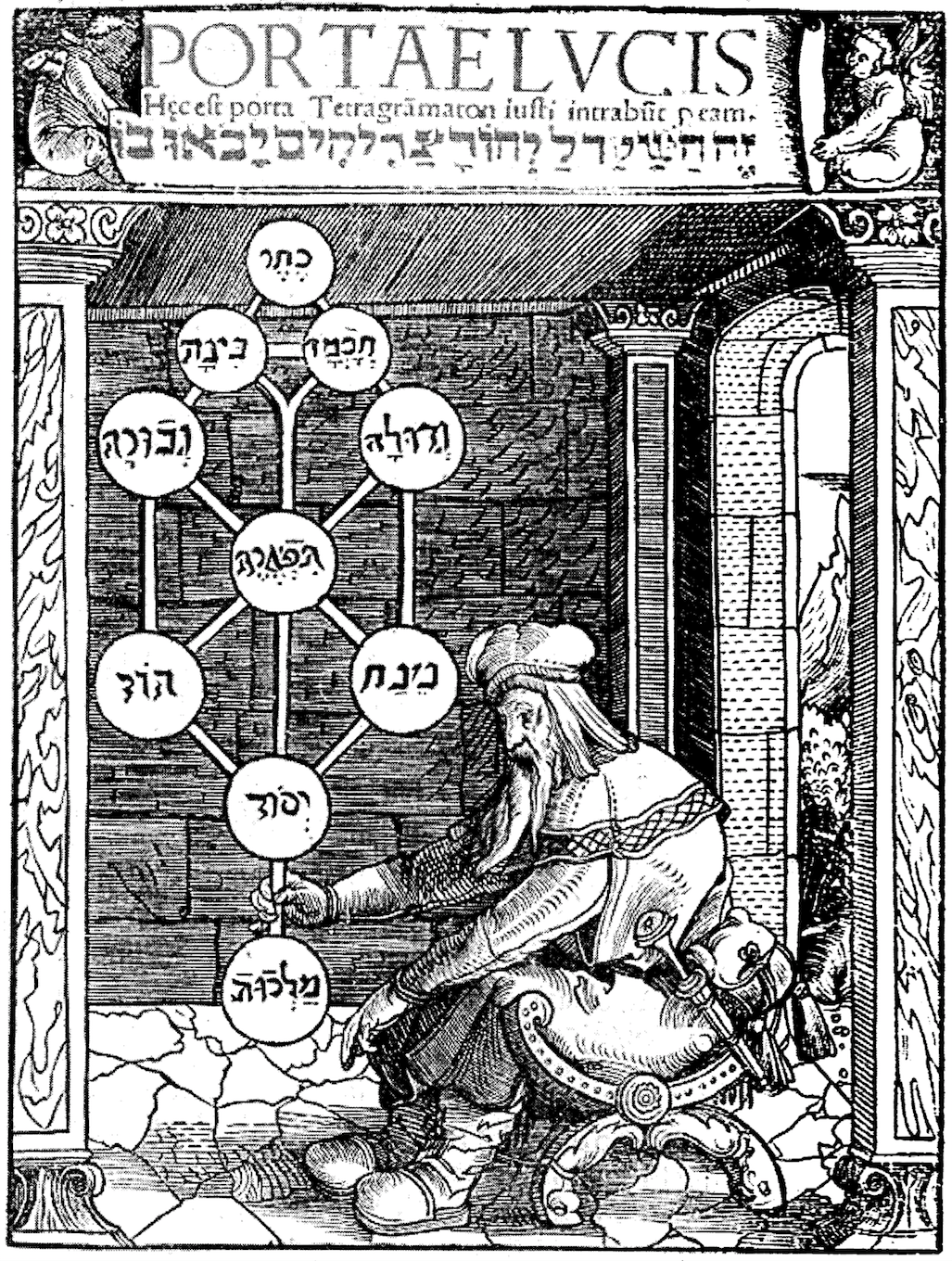
The roots of Western esotericism stretch back to antiquity, with significant influences from Hermeticism, Gnosticism, Neoplatonism, and Jewish Kabbalah. The term "esotericism" itself gained traction in 17th-century Europe, used to group together traditions distinct from orthodox Christianity and the burgeoning Age of Enlightenment rationalism. Early proponents like Paracelsus and Giordano Bruno explored alchemical and magical philosophies, while figures such as Eliphas Lévi in the 19th century synthesized various occult traditions. The late 19th and early 20th centuries saw a surge in organized esoteric societies like the Hermetic Order of the Golden Dawn and the Theosophical Society, further solidifying these currents as distinct movements.
⚙️ How It Works
At its core, esotericism operates on the principle of "as above, so below," suggesting a correspondence between the macrocosm (the universe) and the microcosm (the individual). This often involves the belief in hidden spiritual forces, symbolic languages, and esoteric techniques designed to achieve spiritual illumination, magical power, or union with the divine. Practices can range from meditation and astrological interpretation to alchemy (both literal and symbolic), hermetic magic, Tarot divination, and numerology. The transmission of knowledge is often hierarchical, requiring initiation and study within specific traditions or schools, such as Rosicrucianism or Freemasonry.
📊 Key Facts & Numbers
The global esoteric market is estimated to be worth billions of dollars annually, with astrology services alone generating over $2.2 billion in the US by 2020, according to IBISWorld. The New Age movement, a broad umbrella encompassing many esoteric ideas, saw significant growth in the late 20th century, with millions of adherents worldwide. Academic study of esotericism has expanded dramatically, with over 100 university courses dedicated to the subject offered globally. The number of books published on occult and esoteric topics exceeds tens of thousands annually, indicating sustained public interest. The internet has further democratized access, with millions of websites and online communities dedicated to esoteric practices and philosophies.
👥 Key People & Organizations
Key figures in Western esotericism include Hermes Trismegistus (a syncretic Hellenistic figure), Paracelsus (16th-century alchemist and physician), Jakob Böhme (17th-century mystic), Count of St. Germain (enigmatic 18th-century figure), Eliphas Lévi (19th-century occultist), Helena Blavatsky (founder of the Theosophical Society), Aleister Crowley (influential occultist), and Dion Fortune (founder of the Fraternity of the Inner Light). Organizations like the Hermetic Order of the Golden Dawn, Ordo Templi Orientis (OTO), and various Rosicrucian orders have played crucial roles in preserving and disseminating esoteric teachings.
🌍 Cultural Impact & Influence
Esotericism has permeated Western culture, influencing art, literature, and music. The Renaissance saw a resurgence of interest in Hermeticism and Neoplatonism, impacting artists like Sandro Botticelli and writers like John Dee. The Romantic movement embraced mystical and occult themes, while Symbolist painters like Gustav Klimt incorporated esoteric symbolism. Modern literature, from W.B. Yeats's poetry to the works of Umberto Eco, frequently engages with esoteric ideas. The New Age movement has also had a significant impact on popular culture, influencing wellness practices, music genres, and spiritual seeking.
⚡ Current State & Latest Developments
In 2024, esotericism continues to thrive, adapting to the digital age. Online platforms host countless courses, communities, and divination services, reaching a global audience. The New Age and spiritual but not religious demographics remain robust, with practices like Tarot reading, astrology, and Reiki gaining mainstream acceptance. Academic interest in Western esotericism is also at an all-time high, with new scholarly works and conferences emerging regularly. The resurgence of interest in witchcraft and Paganism further demonstrates the enduring appeal of these alternative spiritual paths, often drawing from historical esoteric traditions.
🤔 Controversies & Debates
The definition and scope of esotericism remain subjects of intense academic debate. Critics often dismiss esoteric traditions as pseudoscience, superstition, or charlatanism, pointing to the lack of empirical evidence and the potential for exploitation. The historical association of some esoteric groups with nationalism and fringe political ideologies, such as the alleged connections of Völkisch movements to Nazism, also draws significant criticism. Furthermore, the secrecy inherent in many esoteric traditions can lead to accusations of elitism and exclusion, contrasting with the universalist claims of many religions. The line between genuine spiritual exploration and harmful delusion is frequently blurred, leading to ongoing controversy.
🔮 Future Outlook & Predictions
The future of esotericism appears increasingly intertwined with digital technologies and global interconnectedness. Expect further integration of esoteric practices into mainstream wellness culture, potentially leading to new hybrid forms of spirituality. AI-driven divination tools and personalized esoteric guidance systems are likely to emerge, raising ethical questions about authenticity and human connection. Academic research will continue to uncover hidden histories and connections, potentially challenging existing narratives. The ongoing tension between esoteric traditions and scientific/rationalist worldviews will likely persist, with each influencing the other in unexpected ways, perhaps leading to novel understandings of consciousness and reality.
💡 Practical Applications
Esoteric principles find practical application in various fields, albeit often unacknowledged. Astrology is used for personal guidance and timing decisions, while alchemy's symbolic aspects inform psychological exploration, particularly in Jungian psychology. Hermetic principles influence organizational management and problem-solving through symbolic thinking. Divinatory practices like Tarot are employed for self-reflection and decision-making. Meditation and visualization techniques derived from esoteric practices are now widely adopted in mindfulness and stress-reduction programs. Even AI research sometimes touches upon concepts of consciousness and symbolic representation that echo esoteric thought.
Key Facts
- Year
- Antiquity - Present
- Origin
- Ancient Mediterranean World (Egypt, Greece, Rome)
- Category
- philosophy
- Type
- concept
Frequently Asked Questions
What is the core difference between esotericism and mainstream religion?
Mainstream religions typically emphasize public doctrine, communal worship, and accessible scripture, often with a focus on salvation through faith or adherence to divine law. Esotericism, conversely, prioritizes hidden knowledge, personal spiritual experience, and often secret initiation processes. While mainstream religions may have esoteric dimensions (like Christian mysticism), esotericism as a category is defined by its deliberate separation from orthodox teachings and its reliance on specialized, often non-public, wisdom traditions. For instance, while Christianity focuses on the teachings of Jesus as publicly revealed, esoteric traditions might explore the "lost years" or hidden meanings within those teachings through Gnostic or Hermetic lenses.
Is esotericism just a collection of superstitions?
The label 'superstition' is often applied by critics who view esoteric practices as lacking empirical evidence or rational basis. However, proponents and scholars of esotericism argue that these traditions offer alternative frameworks for understanding reality, consciousness, and the human condition, often emphasizing subjective experience, symbolic interpretation, and spiritual efficacy over scientific validation. Practices like astrology or alchemy may appear superstitious from a modern scientific viewpoint, but historically they were integrated systems of knowledge that informed philosophy, medicine, and cosmology. The debate hinges on whether one accepts the internal logic and experiential claims of esoteric systems or demands external, scientific verification.
How has the internet changed the practice of esotericism?
The internet has revolutionized access to esoteric knowledge, breaking down traditional barriers of secrecy and geographic location. Online forums, websites, and social media platforms now host vast archives of esoteric texts, offer courses on subjects like Hermetic magic and Tarot, and facilitate global communities for practitioners. This democratization has led to a surge in interest and experimentation, allowing individuals to explore diverse traditions like Kabbalah or Theosophy without formal initiation. However, it also presents challenges, including the proliferation of misinformation, the commodification of spiritual practices, and the difficulty in discerning authentic teachings from superficial trends.
What is the historical relationship between esotericism and science?
Historically, the lines between esotericism and science were often blurred. Figures like Isaac Newton and Robert Boyle, foundational to modern science, were also deeply involved in alchemy and Hermetic philosophy, viewing these pursuits as complementary paths to understanding God's creation. Renaissance thinkers like Paracelsus integrated alchemical and medical knowledge. However, with the rise of the Enlightenment and the subsequent professionalization of scientific disciplines, esotericism increasingly became marginalized, viewed as a precursor to or a deviation from 'true' science. Despite this divergence, certain esoteric concepts, particularly those related to consciousness and symbolism, continue to intersect with fringe scientific inquiries and philosophical debates.
Are all esoteric traditions part of the 'Western mystery tradition'?
The term 'Western esotericism' is a scholarly construct primarily used to categorize traditions originating within or significantly developed in European cultural contexts. This includes Hermeticism, Gnosticism, Kabbalah, Rosicrucianism, Freemasonry, Theosophy, and various forms of magic and astrology. While there are analogous esoteric traditions in the East (e.g., Tantra in Hinduism and Buddhism, Sufism in Islam), the 'Western mystery tradition' specifically refers to the lineage and development within the West, often in dialogue with or reaction to Christianity and classical antiquity.
How does one 'practice' esotericism?
Practicing esotericism is highly varied and depends on the specific tradition. It can involve disciplined study of esoteric texts like the Corpus Hermeticum or the Zohar, engaging in meditation and visualization, performing ceremonial magic, consulting divinatory tools such as Tarot cards or runes, or practicing alchemy (often symbolically). Many traditions emphasize personal transformation, self-knowledge, and the development of intuition or psychic abilities. Some paths require formal initiation into groups like The Golden Dawn or OTO, while others are solitary pursuits. The common thread is the pursuit of knowledge and experience beyond the mundane or material world.
What are the main criticisms leveled against esoteric movements?
Criticisms of esoteric movements are numerous and varied. A primary concern is the potential for charlatanism and exploitation, where individuals or groups prey on vulnerable people seeking answers or power. The lack of empirical verification for many esoteric claims leads to accusations of pseudoscience and delusion. Historically, some esoteric groups have been associated with problematic ideologies, including antisemitism and nationalism, as seen in certain Völkisch circles. The secretive nature of some traditions can foster elitism and suspicion. Furthermore, the psychological impact of deeply immersing oneself in esoteric belief systems without critical self-reflection can sometimes lead to detachment from reality or social isolation.