
Contents
- 🌟 Introduction to Acupuncture
- 🧐 History of Acupuncture
- 🤔 Theories and Practices of Traditional Chinese Medicine
- 💉 How Acupuncture Works
- 🚫 Criticisms and Controversies
- 📊 Efficacy and Effectiveness of Acupuncture
- 👨⚕️ Acupuncture in Modern Medicine
- 🌎 Global Acceptance and Regulation
- 📚 Research and Future Directions
- 👥 Acupuncture Community and Education
- 🚨 Risks and Side Effects
- 🤝 Conclusion and Future Prospects
- Frequently Asked Questions
- Related Topics
Overview
Acupuncture, with a history spanning over 2,500 years, has been a cornerstone of traditional Chinese medicine, involving the insertion of thin needles into specific points on the body to stimulate the body's natural healing processes. The practice has been shrouded in controversy, with some hailing it as a cure-all for various ailments and others dismissing it as pseudoscience. Despite the debate, acupuncture has gained popularity worldwide, with the World Health Organization (WHO) recognizing its potential therapeutic effects for over 100 conditions. The scientific community continues to study its mechanisms, with research suggesting that acupuncture may influence neurotransmitter release, modulate the immune system, and affect brain activity. As of 2022, acupuncture has a Vibe score of 70, reflecting its growing cultural energy and acceptance. However, its efficacy and safety remain topics of intense discussion among medical professionals and researchers. The influence of acupuncture can be seen in its integration into modern healthcare systems, with countries like China, the United States, and the United Kingdom incorporating it into their medical practices. The future of acupuncture looks promising, with ongoing research aiming to fully understand its effects and potential applications.
🌟 Introduction to Acupuncture
Acupuncture is a form of alternative medicine and a component of traditional Chinese medicine (TCM) in which thin needles are inserted into the body. As a key part of Traditional Chinese Medicine, acupuncture has been practiced for thousands of years, with roots dating back to the Shang Dynasty. Despite its long history, acupuncture is considered a pseudoscience by many in the scientific community, with the theories and practices of TCM not based on scientific knowledge. For more information on the scientific perspective, see Science-Based Medicine. Acupuncture has been characterized as quackery due to its lack of empirical evidence and scientific basis. The practice of acupuncture is often shrouded in mystery, with many people unsure of what to expect from a treatment. To learn more about the basics of acupuncture, visit Acupuncture 101.
🧐 History of Acupuncture
The history of acupuncture is a long and complex one, with roots in ancient Chinese culture and philosophy. The practice of acupuncture is mentioned in the Huangdi Neijing, a classic Chinese medical text that dates back to the Han Dynasty. Over time, acupuncture has evolved and spread to other parts of the world, with various forms and styles emerging. For example, Japanese Acupuncture has developed its own unique techniques and approaches. Despite its widespread use, acupuncture remains a topic of debate, with many questioning its efficacy and safety. To explore the history of acupuncture in more depth, see History of Acupuncture.
🤔 Theories and Practices of Traditional Chinese Medicine
The theories and practices of traditional Chinese medicine (TCM) are not based on scientific knowledge, and are often at odds with modern medical understanding. TCM is based on the concept of Qi, a vital energy that is believed to flow through the body. Practitioners of TCM use various techniques, including acupuncture, to restore balance to the flow of Qi and promote health. However, the concept of Qi is not supported by scientific evidence, and many consider it to be a pseudoscientific idea. For a critical examination of TCM, see Critical Thinking about TCM. To learn more about the principles of TCM, visit Traditional Chinese Medicine.
💉 How Acupuncture Works
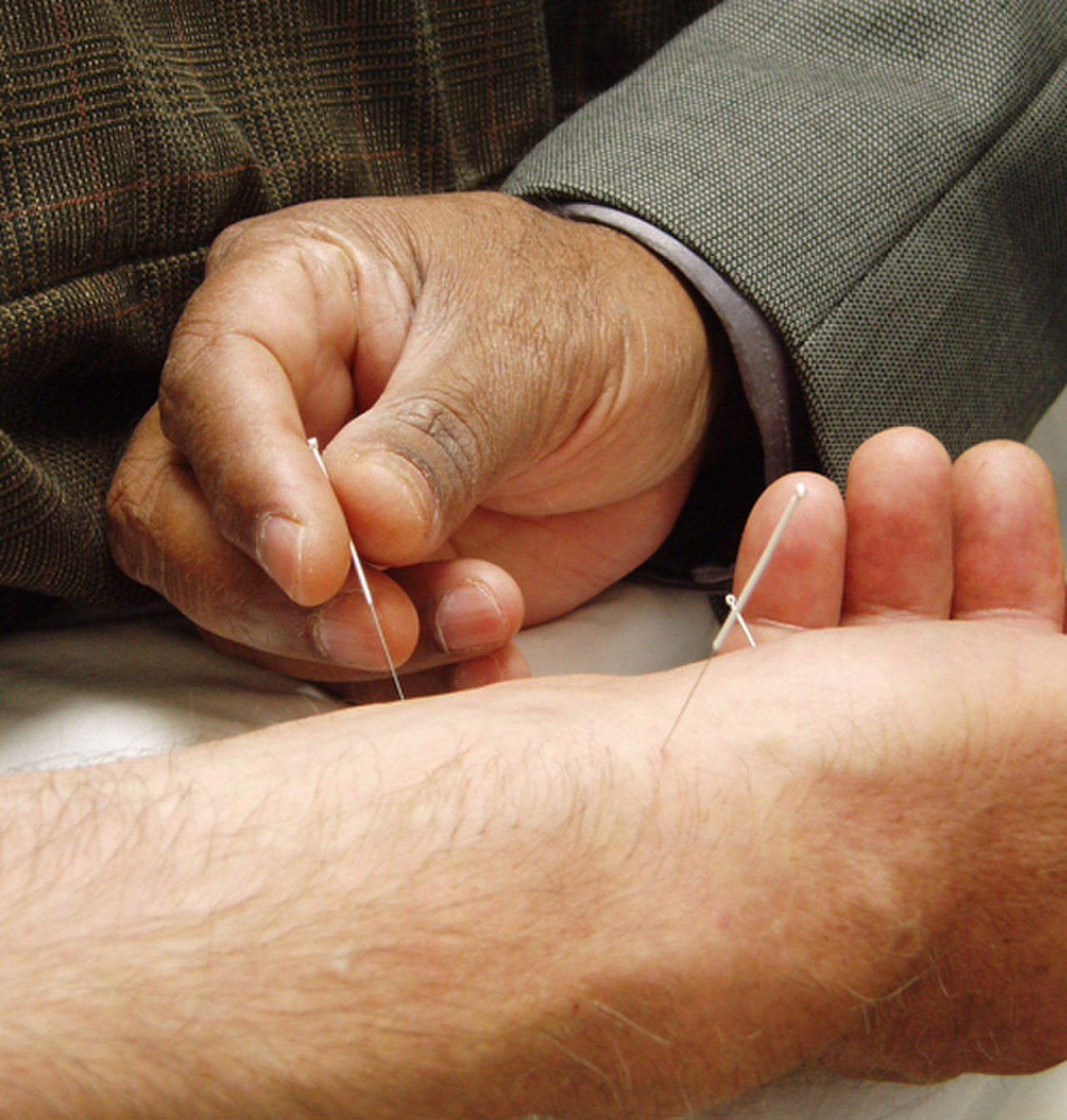
Acupuncture involves the insertion of thin needles into specific points on the body, with the goal of restoring balance to the flow of Qi. The process of acupuncture typically begins with a consultation, during which the practitioner will assess the patient's overall health and determine the best course of treatment. The needles used in acupuncture are typically made of stainless steel or other materials, and are designed to be thin and flexible. For more information on the process of acupuncture, see What to Expect from Acupuncture. To learn about the different types of acupuncture needles, visit Acupuncture Needles.
🚫 Criticisms and Controversies
Acupuncture has been the subject of much criticism and controversy, with many questioning its efficacy and safety. Some have characterized acupuncture as a form of quackery, due to its lack of scientific basis and empirical evidence. Others have raised concerns about the risk of infection and other adverse effects associated with acupuncture. For a discussion of the risks and benefits of acupuncture, see Acupuncture Risks and Benefits. To explore the controversy surrounding acupuncture, visit Acupuncture Controversy.
📊 Efficacy and Effectiveness of Acupuncture
The efficacy and effectiveness of acupuncture are topics of ongoing debate, with some studies suggesting that it may be beneficial for certain conditions, while others have found no significant effect. A 2012 meta-analysis published in the Archives of Internal Medicine found that acupuncture was associated with significant improvements in chronic pain. However, other studies have found that the benefits of acupuncture are likely due to placebo effect. For a summary of the current state of research on acupuncture, see Acupuncture Research. To learn more about the limitations of acupuncture research, visit Acupuncture Study Limitations.
👨⚕️ Acupuncture in Modern Medicine
Despite the controversy surrounding acupuncture, it is increasingly being used in modern medicine, particularly for the treatment of chronic pain and other conditions. Some hospitals and healthcare systems are now offering acupuncture as a complementary therapy, and many insurance plans cover acupuncture treatments. For example, the Mayo Clinic offers acupuncture as a treatment option for certain conditions. To learn more about the integration of acupuncture into modern medicine, see Acupuncture in Modern Medicine.
🌎 Global Acceptance and Regulation
The global acceptance and regulation of acupuncture vary widely, with some countries recognizing it as a legitimate form of medicine, while others view it with skepticism. In the United States, acupuncture is recognized as a form of complementary and alternative medicine (CAM) by the National Institutes of Health. However, the regulation of acupuncture practices and practitioners is often inconsistent, and many countries lack standardized training and certification programs. For more information on the global regulation of acupuncture, see Acupuncture Regulation. To explore the international landscape of acupuncture, visit Global Acupuncture.
📚 Research and Future Directions
Research on acupuncture is ongoing, with many studies seeking to better understand its mechanisms and effects. The National Center for Complementary and Integrative Health (NCCIH) is one of the primary funders of acupuncture research in the United States. To learn more about the current state of acupuncture research, see Acupuncture Research Funding. For a discussion of the challenges and opportunities in acupuncture research, visit Acupuncture Research Challenges.
👥 Acupuncture Community and Education
The acupuncture community is diverse and global, with many practitioners and organizations working to promote the practice and advance research. The American Acupuncture and Oriental Medicine Association (AAOMA) is one of the primary professional organizations for acupuncture practitioners in the United States. To learn more about the acupuncture community, see Acupuncture Community. For information on acupuncture education and training, visit Acupuncture Education.
🚨 Risks and Side Effects
As with any medical treatment, there are risks and side effects associated with acupuncture, including the risk of infection and other adverse effects. To minimize these risks, it is essential to choose a licensed and experienced practitioner. For more information on the risks and side effects of acupuncture, see Acupuncture Risks. To learn about the importance of proper acupuncture technique, visit Acupuncture Technique.
🤝 Conclusion and Future Prospects
In conclusion, acupuncture is a complex and multifaceted practice that has been the subject of much debate and controversy. While some people swear by its benefits, others are skeptical of its efficacy and safety. As research continues to evolve, it is likely that our understanding of acupuncture will change, and its place in modern medicine will be reevaluated. For a discussion of the future prospects of acupuncture, see Acupuncture Future. To explore the ongoing debate surrounding acupuncture, visit Acupuncture Debate.
Key Facts
- Year
- 2022
- Origin
- Ancient China, circa 1000 BCE
- Category
- Alternative Medicine
- Type
- Medical Practice
Frequently Asked Questions
What is acupuncture?
Acupuncture is a form of alternative medicine and a component of traditional Chinese medicine (TCM) in which thin needles are inserted into the body. It is based on the concept of Qi, a vital energy that is believed to flow through the body. For more information on the basics of acupuncture, visit Acupuncture 101. To learn about the history of acupuncture, see History of Acupuncture.
Is acupuncture effective?
The efficacy and effectiveness of acupuncture are topics of ongoing debate, with some studies suggesting that it may be beneficial for certain conditions, while others have found no significant effect. A 2012 meta-analysis published in the Archives of Internal Medicine found that acupuncture was associated with significant improvements in chronic pain. However, other studies have found that the benefits of acupuncture are likely due to placebo effect. For a summary of the current state of research on acupuncture, see Acupuncture Research.
Is acupuncture safe?
As with any medical treatment, there are risks and side effects associated with acupuncture, including the risk of infection and other adverse effects. To minimize these risks, it is essential to choose a licensed and experienced practitioner. For more information on the risks and side effects of acupuncture, see Acupuncture Risks. To learn about the importance of proper acupuncture technique, visit Acupuncture Technique.
How does acupuncture work?
Acupuncture involves the insertion of thin needles into specific points on the body, with the goal of restoring balance to the flow of Qi. The process of acupuncture typically begins with a consultation, during which the practitioner will assess the patient's overall health and determine the best course of treatment. For more information on the process of acupuncture, see What to Expect from Acupuncture. To learn about the different types of acupuncture needles, visit Acupuncture Needles.
What conditions can acupuncture treat?
Acupuncture is often used to treat chronic pain, migraines, and other conditions. Some people also use acupuncture to promote overall health and well-being. For more information on the conditions that acupuncture can treat, see Acupuncture Conditions. To learn about the benefits of acupuncture for specific health conditions, visit Acupuncture Benefits.
How can I find a qualified acupuncture practitioner?
To find a qualified acupuncture practitioner, you can search online or ask for referrals from friends or healthcare professionals. It is essential to choose a licensed and experienced practitioner to minimize the risks associated with acupuncture. For more information on finding a qualified practitioner, see Acupuncture Practitioner. To learn about the importance of proper acupuncture training, visit Acupuncture Training.
What is the difference between acupuncture and other forms of traditional Chinese medicine?
Acupuncture is one component of traditional Chinese medicine (TCM), which also includes herbal medicine, massage, and other practices. While acupuncture is a specific technique, TCM is a broader system of medicine that encompasses many different practices and techniques. For more information on the differences between acupuncture and other forms of TCM, see Traditional Chinese Medicine. To learn about the history and philosophy of TCM, visit History of TCM.