
Contents
Overview
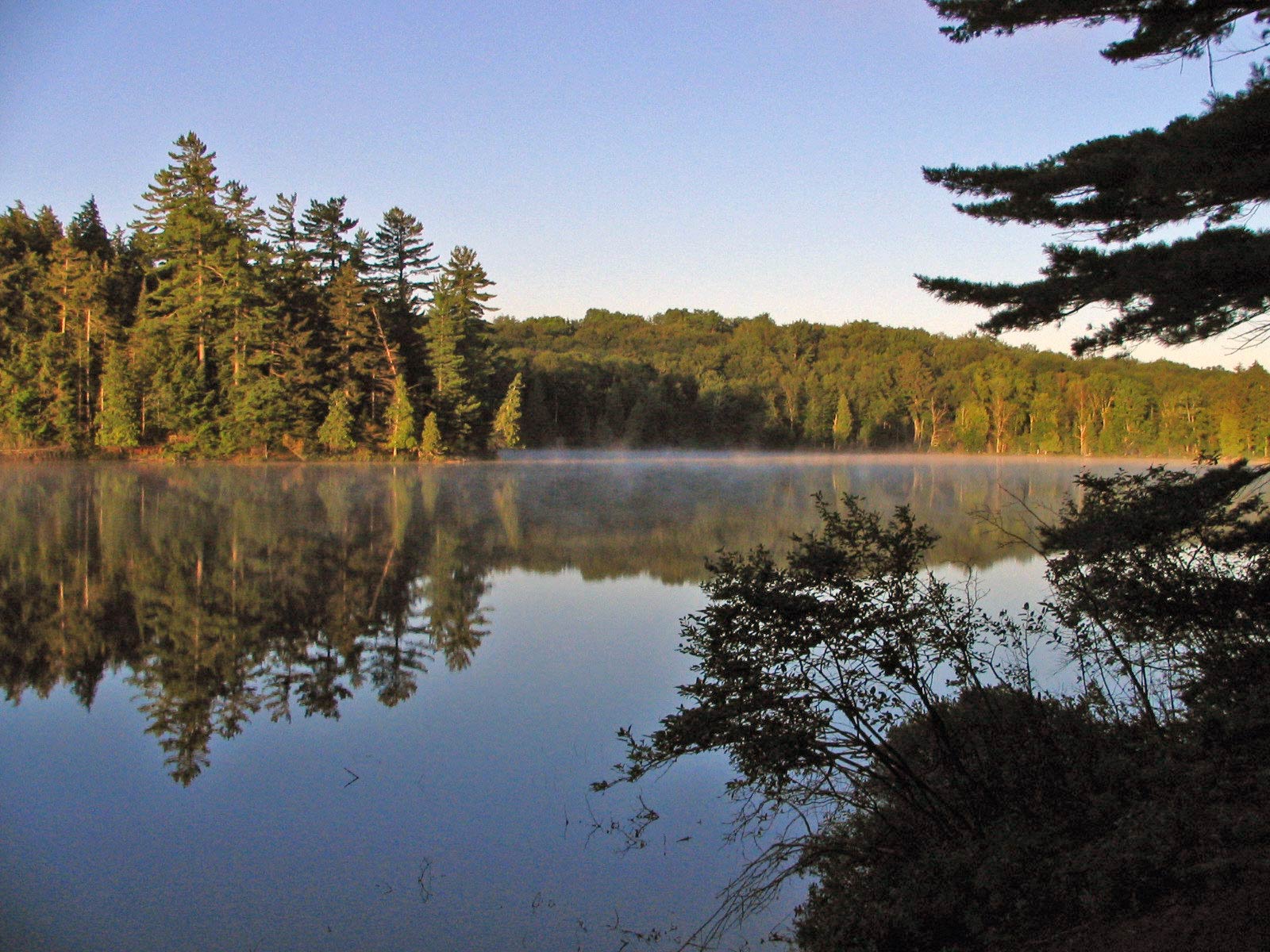
The Adirondack Park Agency (APA) is a unique governmental entity tasked with overseeing land use and development within the 6.1-million-acre Adirondack Park in northeastern New York. This park, larger than Yellowstone and Yosemite combined, is a mosaic of public Forest Preserve and private lands, presenting a complex regulatory challenge. The APA's mandate is to protect the park's natural resources while allowing for responsible economic activity and private property rights. Its decisions, often contentious, shape everything from housing construction to industrial projects, impacting the delicate ecological balance and the lives of the park's residents. The agency operates under a master plan and land use classifications that dictate permissible activities across different zones, making it a critical, and often debated, player in the future of this iconic American landscape.
🎵 Origins & History
The Adirondack Park Agency was born out of a period of intense debate and environmental concern in the late 1960s. Prior to its establishment, development within the park was largely unregulated, leading to fears of unchecked sprawl and the degradation of the unique wilderness. Governor Nelson Rockefeller, a key proponent, signed the legislation creating the APA amidst significant public outcry and lobbying from both environmental groups and private landowners. The agency inherited the complex task of managing a vast area where nearly half the land was privately owned, a stark contrast to traditional national parks. This dual mandate of conservation and private property rights has been a defining tension since the APA's inception, shaping its regulatory framework and its relationship with stakeholders.
⚙️ How It Works
The APA operates through a comprehensive land use and development plan, classifying the park into various zones: 'Wild Forest,' 'Intensive Use,' 'Hamlet,' and 'Rural,' each with specific regulations. Development proposals are reviewed by the agency for their potential environmental impact, adherence to the master plan, and consistency with local land use programs. The APA's jurisdiction extends to projects that exceed certain size thresholds or have significant environmental implications, requiring permits and often involving public hearings. The agency also works in partnership with local municipalities, providing guidance and oversight to ensure their land use plans align with the park's overall conservation goals, a delicate balancing act between state authority and local autonomy.
📊 Key Facts & Numbers
The Adirondack Park spans an immense 6.1 million acres, making it the largest state park in the contiguous United States, dwarfing even Yellowstone National Park by over 2 million acres. Of this total area, approximately 2.6 million acres (43%) are designated as the Adirondack Forest Preserve, owned by New York State and protected under the 'forever wild' clause of the state constitution. The remaining 3.5 million acres (57%) are privately owned, encompassing 105 towns and villages, farms, and businesses. The APA oversees a budget that fluctuates annually but typically hovers around $5 million, employing approximately 50 staff members to manage its extensive regulatory and planning responsibilities across this vast territory.
👥 Key People & Organizations
The Adirondack Park Agency is a state entity, reporting to the Governor of New York. Its board of commissioners, typically comprising 11 members, includes representatives from various state departments and appointees from the Adirondack region and beyond. Key figures in its history include Governor Nelson Rockefeller, who championed its creation, and early APA chairs who navigated the initial implementation of its complex regulations. The agency works closely with other governmental bodies, such as the New York State Department of Environmental Conservation (DEC), and collaborates with local governments, including the Adirondack Association of Towns and Villages, to implement its land use plans. Environmental advocacy groups like the Adirondack Council and the Adirondack Wild frequently engage with the APA, often acting as watchdogs and proponents for stricter conservation measures.
🌍 Cultural Impact & Influence
The APA's existence and regulatory actions have profoundly shaped the cultural and economic landscape of the Adirondacks. It has fostered a unique identity for the region, one that grapples with the tension between its natural beauty and its role as a place for human habitation and recreation. The agency's decisions influence tourism, real estate development, and the very character of the park's communities. Environmental awareness within the region has been significantly heightened due to the APA's oversight, influencing local attitudes towards conservation and development. The ongoing dialogue surrounding the APA's role is a significant part of the regional culture, reflecting differing views on how best to steward this extraordinary natural and human environment.
⚡ Current State & Latest Developments
In recent years, the APA has been navigating evolving challenges, including the impacts of climate change on the park's ecosystems and the increasing demand for outdoor recreation. The agency continues to review development proposals, with recent projects ranging from small-scale residential expansions to larger commercial ventures, each subject to rigorous environmental review. Discussions around updating the Adirondack Park State Land Master Plan, last significantly revised in 2001, are ongoing, reflecting a need to adapt to new scientific understanding and societal pressures. The agency also faces persistent questions about its effectiveness and the balance it strikes between conservation and economic vitality for the park's residents.
🤔 Controversies & Debates
The Adirondack Park Agency is a perennial subject of controversy, primarily centered on the perceived conflict between environmental protection and private property rights. Critics, often including some local residents and business owners, argue that the APA's regulations are overly burdensome, stifle economic development, and infringe upon individual freedoms. Conversely, environmental organizations frequently contend that the APA's regulations are not stringent enough, pointing to instances of development that they believe compromise the park's ecological integrity. Debates frequently arise over specific development projects, zoning classifications, and the agency's enforcement of its own rules, creating a constant tension between competing interests within the park's unique governance structure.
🔮 Future Outlook & Predictions
The future of the Adirondack Park Agency will likely be defined by its ability to adapt to pressing environmental and social changes. Climate change poses a significant threat, necessitating adaptive management strategies for the park's forests, waterways, and wildlife. As the population of the park grows and tourism continues to increase, the APA will face escalating pressure to manage development sustainably. There is also a growing conversation about the agency's governance structure and its relationship with local communities, with some advocating for greater local control and others for strengthened state oversight. The APA's success in the coming decades will hinge on its capacity to foster collaboration and find innovative solutions that preserve the Adirondacks' wild character while supporting its human communities.
💡 Practical Applications
The APA's primary practical application is its role as a land use regulator. Any individual or entity proposing a development project within the Adirondack Park that meets certain criteria must obtain a permit from the agency. This includes building new structures, expanding existing ones, or undertaking activities that could significantly alter the environment. The agency's review process ensures that these projects comply with the Adirondack Park State Land Master Plan and any applicable local land use programs. For example, a proposal to build a large resort complex would undergo extensive review, while the construction of a single-family home in a designated 'Hamlet' area would follow a more streamlined process, demonstrating the tiered approach to development oversight.
Key Facts
- Category
- organizations
- Type
- organization