
Contents
Overview
Enslaved Africans were often given the least desirable cuts of meat and the poorest provisions, forcing them to innovate with ingenuity and resourcefulness. They drew upon their ancestral culinary knowledge from West and Central Africa, incorporating techniques like frying, stewing, and the use of specific ingredients such as okra, black-eyed peas, and yams. This foundation was then melded with European culinary traditions, particularly from Britain and France, and further enriched by Indigenous American ingredients like corn and squash. Early iterations of dishes like gumbo and succotash demonstrate this fusion. The term 'soul food' itself emerged in the mid-1960s, a deliberate reclamation of a cuisine that had been denigrated, aligning it with the broader Black Power movement and the celebration of Black identity, as articulated by figures like Amiri Baraka in his essays on Black Arts Movement aesthetics.
⚙️ How It Works
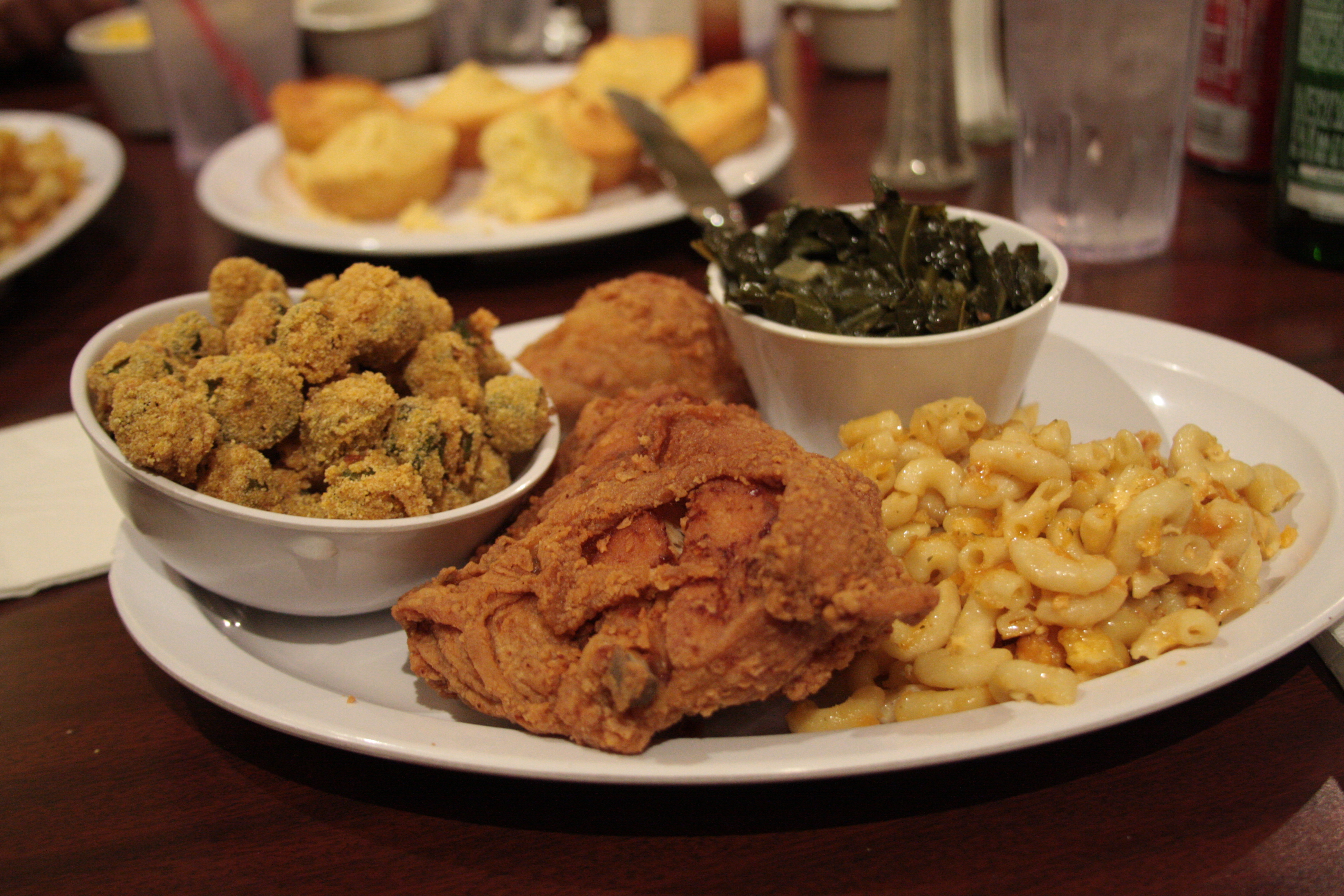
At its core, African American cuisine is characterized by specific cooking methods and ingredient combinations that maximize flavor and sustenance, often from humble origins. Frying, particularly deep-frying, is a hallmark technique, evident in iconic dishes like George Washington Carver's popularization of fried chicken and Willie Mae's Scotch House's legendary fried chicken. Slow simmering and braising are crucial for tenderizing tougher cuts of meat and infusing vegetables with rich flavor, as seen in smothered pork chops and braised collard greens, often cooked with smoked meats like ham hocks or fatback for depth. The use of cornmeal is pervasive, appearing in cornbread, hushpuppies, and as a coating for fried items. Sweetness is also a significant element, with desserts like sweet potato pie and peach cobbler playing a vital role, reflecting both African influences and the availability of Southern produce. The careful balance of savory, spicy, and sweet elements is a defining characteristic, a testament to generations of culinary adaptation and refinement.
📊 Key Facts & Numbers
The economic scale of African American cuisine is substantial, though often underestimated. While precise figures are elusive, the market for soul food restaurants in the United States is estimated to be in the billions of dollars annually, with projections indicating continued growth. For instance, the fried chicken market alone, heavily influenced by Black culinary traditions, is valued at over $10 billion in the U.S. Studies by organizations like the National Restaurant Association indicate that dishes like macaroni and cheese, a staple in African American households, are among the most popular side dishes nationwide, appearing on over 80% of restaurant menus. Furthermore, the global export of African American culinary influence is evident in the widespread popularity of barbecue, a technique with deep roots in enslaved African cooking practices, now a multi-billion dollar industry worldwide. The average African American household spends approximately $150-$200 per month on groceries specifically for soul food ingredients, reflecting its dietary centrality.
👥 Key People & Organizations
Numerous individuals and organizations have been instrumental in preserving, elevating, and popularizing African American cuisine. Chefs like Edna Lewis, author of "In Memory's Kitchen," and Marcus Samuelsson, who explores the cuisine's African roots in "The New Ethiopian Cookbook," have brought critical acclaim and scholarly attention to the tradition. Restaurateurs like Willie Mae's Scotch House's founder, Willie Mae Ford Smith, established culinary landmarks that have endured for generations. Community organizations such as the Southern Foodways Alliance actively document and promote the history and cultural significance of this cuisine through oral histories and research. Culinary historians like Adrian Miller, author of "Soul Food: The Surprising Story of an American Food and Where It Comes From," have meticulously traced its lineage, challenging misconceptions and highlighting its profound impact on American identity. The James Beard Foundation has also increasingly recognized chefs and restaurants dedicated to this culinary heritage.
🌍 Cultural Impact & Influence
African American cuisine has profoundly shaped the broader American culinary landscape, moving from the margins to the mainstream. Its influence is undeniable in the popularity of dishes like fried chicken, barbecue, and collard greens, which are now ubiquitous across the United States, often stripped of their specific cultural context. The 'soul' in soul food has permeated American food culture, inspiring a generation of chefs to explore regional and ethnic cuisines with a renewed appreciation for their historical and social significance. This culinary tradition has also served as a powerful vehicle for cultural expression and community building, with potlucks, family reunions, and church suppers serving as vital social gatherings centered around shared meals. The aesthetic of 'comfort food' itself owes a significant debt to the hearty, satisfying nature of soul food, influencing everything from fast-food menus to fine dining establishments seeking to evoke a sense of home and tradition, as seen in the rise of sweet potato pie as a national dessert.
⚡ Current State & Latest Developments
African American cuisine is experiencing a renaissance, marked by a growing number of chefs and entrepreneurs reclaiming and reinterpreting traditional dishes with modern techniques and global influences. Restaurants like Soto in New York and The Fig Leaf in Los Angeles are pushing boundaries, integrating African American flavors into contemporary fine dining. There's a renewed focus on the health aspects of the cuisine, with chefs exploring lighter preparations and emphasizing fresh, seasonal ingredients, moving beyond the historical necessity of calorie-dense dishes. The rise of food bloggers and social media influencers dedicated to soul food, such as Black Food Bloggers and Black Foodie, has further amplified its reach, introducing these flavors to younger generations and a wider global audience. Culinary tourism centered around African American foodways is also on the rise, with guided tours and heritage trails gaining popularity in cities like Charleston, South Carolina, and New Orleans, Louisiana.
🤔 Controversies & Debates
One of the most persistent controversies surrounding African American cuisine is its historical association with poverty and poor health outcomes, particularly regarding dishes high in fat, salt, and sugar. Critics, both internal and external to the Black community, have sometimes labeled soul food as 'unhealthy' or 'ghetto food,' perpetuating harmful stereotypes that ignore the ingenuity and cultural significance of its origins. The debate over 'authenticity' also arises, with discussions about how much a dish can be modernized or adapted before it ceases to be 'true' soul food. Furthermore, the appropriation of Black culinary traditions by non-Black chefs and restaurateurs, often without proper attribution or compensation, remains a contentious issue, raising questions about intellectual property and cultural ownership within the food industry. The commodification of soul food, turning deeply personal and historical dishes into trendy menu items, is another point of contention.
🔮 Future Outlook & Predictions
The future of African American cuisine appears dynamic and expansive. We can anticipate a continued evolution where traditional flavors are fused with global culinary trends, leading to innovative dishes that honor heritage while embracing contemporary palates. Expect to see more African American chefs opening restaurants that blend high-end dining with deeply rooted culinary traditions, potentially earning more Michelin stars and prestigious awards. The emphasis on health and wellness will likely lead to further experimentation with plant-based soul food and refined cooking techniques that retain flavor while reducing fat and sodium. Culinary education programs and apprenticeships focused on African American foodways will become more prevalent, ensuring the trans
Key Facts
- Category
- culture
- Type
- topic