
Contents
Overview
AI-assisted treatment refers to the integration of artificial intelligence (AI) technologies into the process of diagnosing, planning, and delivering medical care. These systems analyze vast datasets, including patient records, medical literature, and imaging scans, to provide insights and recommendations that can augment the capabilities of human clinicians. The goal is to improve diagnostic accuracy, personalize treatment plans, optimize drug discovery, and enhance patient outcomes. While still an evolving field, AI in healthcare is rapidly expanding, impacting areas from radiology and pathology to oncology and mental health. However, its widespread adoption is accompanied by significant ethical considerations regarding data privacy, algorithmic bias, and the future of the healthcare workforce.
🎵 Origins & History
The conceptual roots of AI-assisted treatment stretch back to the mid-20th century, with early expert systems like MYCIN attempting to mimic human diagnostic reasoning for infectious diseases. While these early systems were largely confined to research labs due to computational limitations, they laid the groundwork for future advancements. The explosion of digital health data, coupled with exponential growth in computing power and machine learning algorithms, particularly deep learning, has fueled the current wave of AI integration. Companies began investing heavily in the 2010s, aiming to revolutionize medical diagnostics and treatment planning. The COVID-19 pandemic further accelerated interest, highlighting the need for rapid analysis of disease patterns and treatment efficacy.
⚙️ How It Works
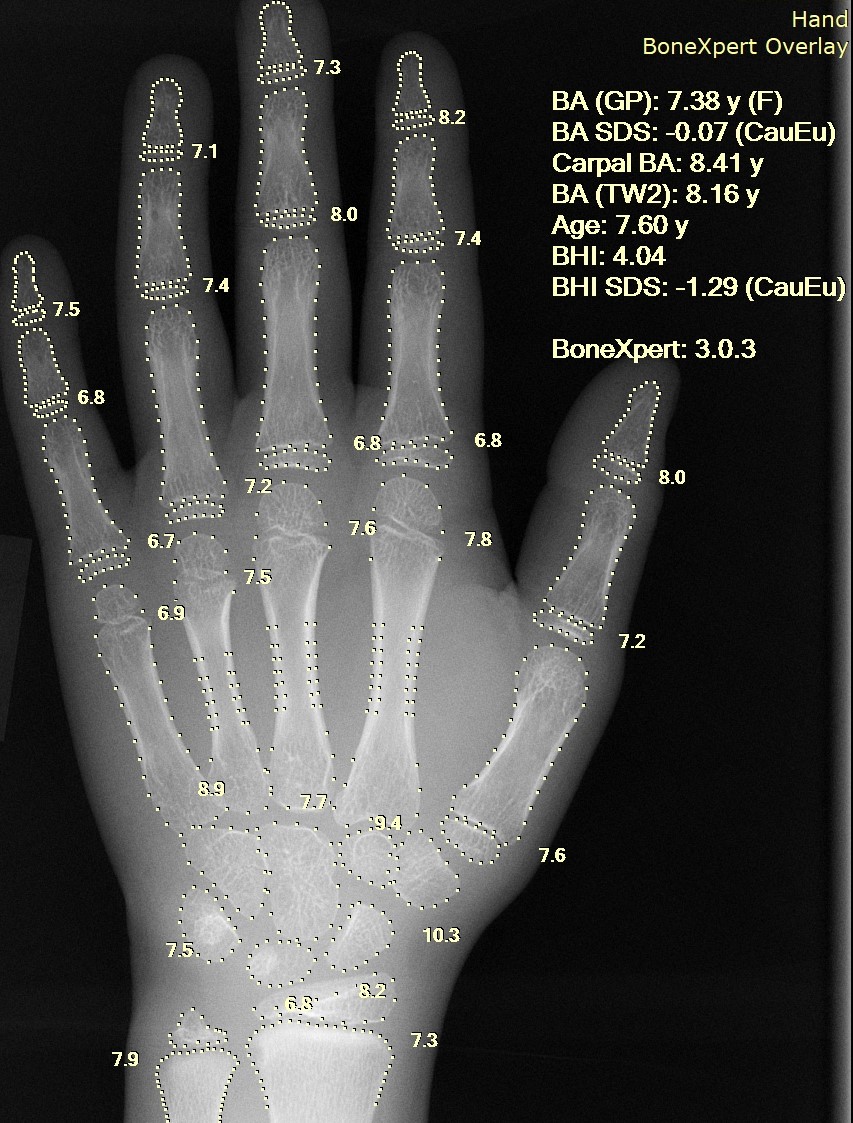
AI-assisted treatment primarily operates through machine learning algorithms, especially deep learning models, trained on massive datasets of medical information. These algorithms can identify complex patterns in patient data—such as medical images, genomic sequences, and electronic health records—that might be imperceptible to human clinicians. For instance, in radiology, AI can flag potential anomalies in X-rays or CT scans, prioritizing cases for human review. In oncology, AI can analyze tumor characteristics and patient genetics to suggest personalized treatment regimens, drawing from vast databases of clinical trials and research papers. The process typically involves data preprocessing, model training, validation, and then deployment as a decision-support tool for healthcare professionals, rather than a fully autonomous system.
📊 Key Facts & Numbers
The global AI in healthcare market was valued at approximately $15.4 billion in 2023 and is projected to reach over $187 billion by 2030, exhibiting a compound annual growth rate (CAGR) of over 43%. By 2025, it's estimated that AI will be involved in the diagnosis of over 80% of medical conditions. In radiology, AI algorithms have demonstrated accuracy rates exceeding 90% in detecting certain conditions, such as diabetic retinopathy. Pharmaceutical companies are using AI to reduce drug discovery timelines by an average of 2-3 years, saving billions in R&D costs. Furthermore, AI-powered chatbots are handling an estimated 30-40% of patient inquiries in some healthcare systems, freeing up human staff for more complex tasks.
👥 Key People & Organizations
Key figures driving AI-assisted treatment include Andrew Ng, a prominent AI researcher and founder of DeepLearning.AI, who has championed AI's potential in healthcare. Organizations like the World Health Organization (WHO) are developing guidelines for AI ethics in health, while regulatory bodies like the U.S. Food and Drug Administration (FDA) are actively approving AI-powered medical devices. Major tech players such as Google, Microsoft, and Amazon are investing billions through their respective health divisions, alongside specialized AI healthcare companies like PathAI and Tempus Labs. Academic institutions like MIT and Stanford University continue to be hubs for cutting-edge research and development.
🌍 Cultural Impact & Influence
AI-assisted treatment is reshaping patient-provider interactions and the very definition of medical expertise. It fosters a shift towards more data-driven, personalized medicine, moving away from one-size-fits-all approaches. The cultural perception is evolving from skepticism to cautious optimism, with increasing public awareness of AI's potential to improve health outcomes. This technology is also influencing medical education, necessitating new curricula that equip future clinicians with AI literacy. The integration of AI into treatment pathways is subtly altering the patient experience, offering faster diagnoses and potentially more tailored therapies, though concerns about depersonalization persist.
⚡ Current State & Latest Developments
The current landscape of AI-assisted treatment is characterized by rapid regulatory approvals and increasing clinical adoption. In 2024, the FDA has cleared dozens of AI-enabled medical devices, spanning from diagnostic imaging tools to predictive analytics for patient deterioration. Companies are focusing on developing AI for niche applications, such as predicting sepsis onset in intensive care units or identifying early signs of Alzheimer's disease from brain scans. Partnerships between AI developers and established healthcare providers, like HCA Healthcare and Massachusetts General Hospital, are becoming commonplace. The focus is shifting from broad diagnostic tools to highly specific, clinically validated AI applications that demonstrate clear value.
🤔 Controversies & Debates
Significant controversies surround AI-assisted treatment. Algorithmic bias is a major concern, as AI models trained on data from predominantly white populations may perform poorly or unfairly on minority groups, exacerbating existing health disparities. The ethical implications of data privacy and security are paramount, given the sensitive nature of medical information. Questions about accountability also arise: who is liable when an AI makes an incorrect recommendation—the developer, the clinician, or the institution? Furthermore, the potential for job displacement among healthcare professionals, particularly in fields like radiology and pathology, remains a subject of intense debate, alongside the risk of over-reliance on AI leading to a degradation of human clinical skills.
🔮 Future Outlook & Predictions
The future of AI-assisted treatment points towards increasingly sophisticated and integrated systems. We can anticipate AI moving beyond decision support to more active roles in treatment delivery, such as AI-guided robotic surgery or personalized drug dosage adjustments in real-time. Predictive analytics will likely become more pervasive, enabling proactive interventions for chronic diseases and public health crises. The development of federated learning techniques will allow AI models to be trained across multiple institutions without compromising patient data privacy. By 2030, it's projected that AI will be an indispensable tool in at least 75% of clinical decision-making processes, fundamentally altering the practice of medicine.
💡 Practical Applications
AI-assisted treatment has a wide array of practical applications across numerous medical specialties. In radiology, AI algorithms assist in detecting subtle abnormalities in X-rays, CT scans, and MRIs, improving diagnostic speed and accuracy. In oncology, AI analyzes genomic data and patient history to recommend personalized cancer treatments and predict treatment response. For drug discovery, AI accelerates the identification of potential drug candidates and optimizes clinical trial design. In mental health, AI-powered chatbots provide accessible support, and AI analyzes speech patterns for early detection of psychological conditions. Pathology labs use AI to analyze tissue samples for cancer detection, and AI aids in personalized medicine by tailoring treatments based on individual genetic makeup and lifestyle factors.
Key Facts
- Category
- technology
- Type
- concept