
Contents
- 🌟 Origins & History
- 🏠 Traditional Way of Life
- 📊 Key Facts & Numbers
- 👥 Key People & Organizations
- 🌍 Cultural Impact & Influence
- ⚡ Current State & Latest Developments
- 🤔 Controversies & Debates
- 🔮 Future Outlook & Predictions
- 💡 Practical Applications
- 📚 Related Topics & Deeper Reading
- Frequently Asked Questions
- References
- Related Topics
Overview
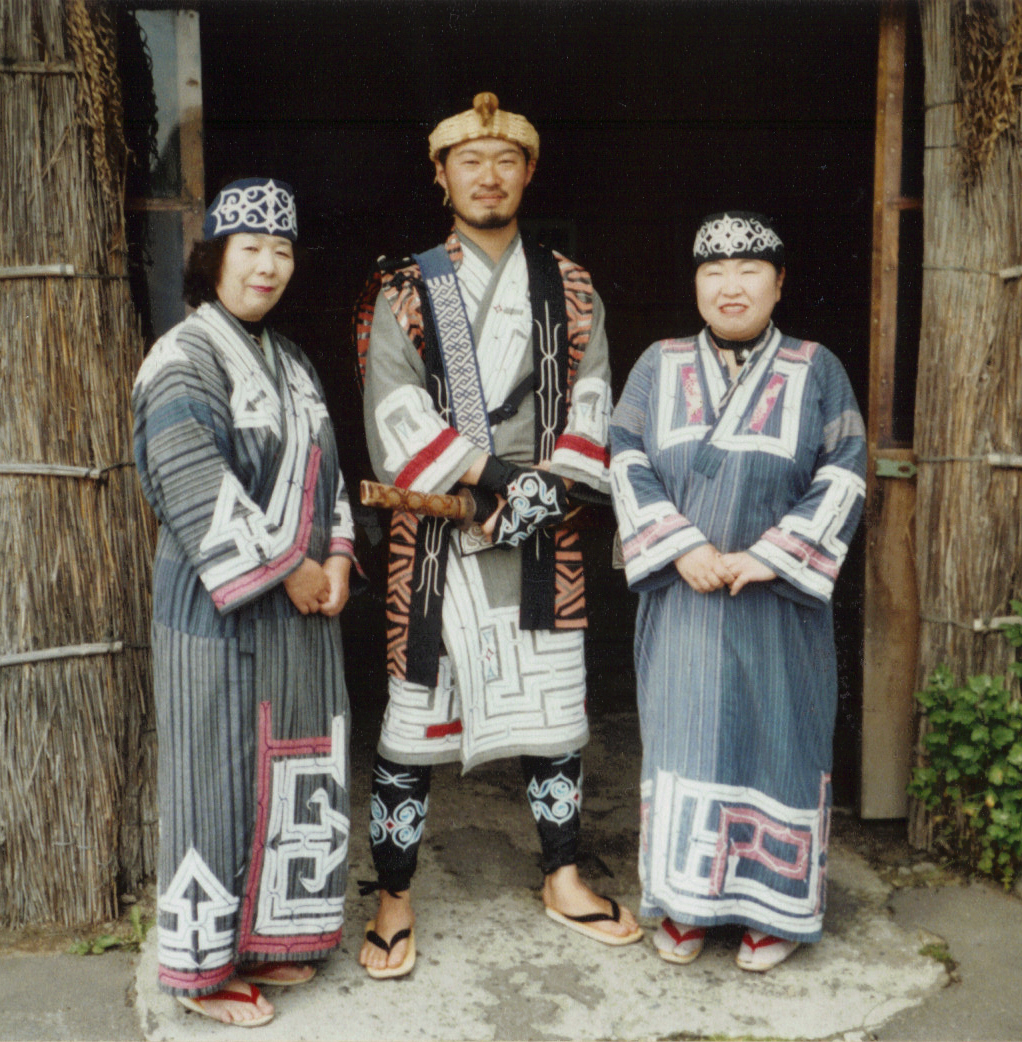
The Ainu people are an indigenous ethnic group native to northern Japan and southeastern Russia, with a rich cultural heritage and history spanning thousands of years. They have traditionally resided in areas known as 'Ainu Mosir', including Hokkaido, the Tōhoku region of Honshu, and the surrounding islands. With a distinct language, religion, and customs, the Ainu people have maintained their unique identity despite centuries of interaction with the Yamato and Russian populations. According to official surveys, there are approximately 11,450 Ainu people in Hokkaido, and an estimated 300 in Russia. The Ainu people have a significant cultural impact, with their traditional practices, such as salmon fishing and woodcarving, still being practiced today. They have also had a profound influence on the development of Japanese culture, with many Ainu customs and traditions being incorporated into mainstream Japanese society. However, the Ainu people have also faced significant challenges, including discrimination, marginalization, and the loss of their traditional way of life. As a result, efforts are being made to preserve and promote Ainu culture, including the establishment of Ainu cultural centers and the development of Ainu language education programs.
🌟 Origins & History
The Ainu people have a rich and complex history, with their origins dating back to the Jomon period, around 14,000 to 300 BCE. During this time, they developed a distinct culture, language, and tradition, which was influenced by their geographic location and interactions with other ethnic groups. The Ainu people have traditionally resided in areas known as 'Ainu Mosir', including Hokkaido, the Tōhoku region of Honshu, and the surrounding islands, such as Sakhalin and the Kuril Islands. They have had significant interactions with the Yamato people and the Russo-Japanese populations, which has had a profound impact on their culture and way of life.
🏠 Traditional Way of Life
The traditional way of life of the Ainu people is centered around their connection to nature and their ancestral lands. They have a deep respect for the natural world and have developed a unique spiritual practice, which is centered around the worship of Kamuy, or spirits, which are believed to inhabit all living things. The Ainu people are also skilled craftsmen, with traditional practices such as woodcarving and salmon fishing still being practiced today. They have also developed a distinct language, known as Ainu, which is a language isolate and is not related to any other known language.
📊 Key Facts & Numbers
According to official surveys, there are approximately 11,450 Ainu people in Hokkaido, and an estimated 300 in Russo-Japanese. The Ainu population has been declining over the years, due to factors such as assimilation, urbanization, and the loss of traditional way of life. However, efforts are being made to preserve and promote Ainu culture, including the establishment of Ainu cultural centers and the development of Ainu language education programs. The Ainu people have also been recognized as an indigenous people by the Japanese government, and have been granted certain rights and protections under the law.
👥 Key People & Organizations
The Ainu people have a significant cultural impact, with their traditional practices and customs being incorporated into mainstream Japanese society. They have also had a profound influence on the development of Japanese culture, with many Ainu customs and traditions being adopted by the Yamato people. The Ainu people have also been the subject of numerous studies and research projects, with many scholars and anthropologists seeking to learn more about their culture and way of life. Key organizations, such as the Ainu Association, have been established to promote and preserve Ainu culture, and to advocate for the rights of the Ainu people.
🌍 Cultural Impact & Influence
The Ainu people have had a profound influence on the development of Japanese culture, with many Ainu customs and traditions being incorporated into mainstream Japanese society. They have also had a significant impact on the development of Japanese art, literature, and music, with many Ainu artists and musicians gaining recognition for their work. The Ainu people have also been the subject of numerous literary and artistic works, with many authors and artists seeking to capture the essence of their culture and way of life. However, the Ainu people have also faced significant challenges, including discrimination, marginalization, and the loss of their traditional way of life.
⚡ Current State & Latest Developments
The current state of the Ainu people is complex and multifaceted, with many challenges and opportunities facing the community. Efforts are being made to preserve and promote Ainu culture, including the establishment of Ainu cultural centers and the development of Ainu language education programs. The Ainu people have also been recognized as an indigenous people by the Japanese government, and have been granted certain rights and protections under the law. However, the Ainu people continue to face significant challenges, including discrimination, marginalization, and the loss of their traditional way of life.
🤔 Controversies & Debates
The Ainu people have been the subject of numerous controversies and debates, with many issues surrounding their culture and way of life. One of the most significant controversies surrounding the Ainu people is the issue of assimilation, with many Ainu people being forced to adopt Japanese customs and traditions. The Ainu people have also faced significant discrimination and marginalization, with many being denied their rights and protections under the law. However, efforts are being made to address these issues, including the establishment of Ainu cultural centers and the development of Ainu language education programs.
🔮 Future Outlook & Predictions
The future outlook for the Ainu people is complex and uncertain, with many challenges and opportunities facing the community. Efforts are being made to preserve and promote Ainu culture, including the establishment of Ainu cultural centers and the development of Ainu language education programs. The Ainu people have also been recognized as an indigenous people by the Japanese government, and have been granted certain rights and protections under the law. However, the Ainu people continue to face significant challenges, including discrimination, marginalization, and the loss of their traditional way of life.
💡 Practical Applications
The Ainu people have a significant cultural impact, with their traditional practices and customs being incorporated into mainstream Japanese society. They have also had a profound influence on the development of Japanese culture, with many Ainu customs and traditions being adopted by the Yamato people. The Ainu people have also been the subject of numerous studies and research projects, with many scholars and anthropologists seeking to learn more about their culture and way of life. Practical applications of Ainu culture include the development of Ainu language education programs, the establishment of Ainu cultural centers, and the promotion of Ainu art and literature.
Key Facts
- Year
- 2023
- Origin
- Japan and Russia
- Category
- culture
- Type
- ethnic group
Frequently Asked Questions
Who are the Ainu people?
The Ainu people are an indigenous ethnic group native to northern Japan and southeastern Russia, with a rich cultural heritage and history spanning thousands of years. They have traditionally resided in areas known as 'Ainu Mosir', including Hokkaido, the Tōhoku region of Honshu, and the surrounding islands. The Ainu people have a distinct language, known as Ainu, which is a language isolate and is not related to any other known language.
What is the traditional way of life of the Ainu people?
The traditional way of life of the Ainu people is centered around their connection to nature and their ancestral lands. They have a deep respect for the natural world and have developed a unique spiritual practice, which is centered around the worship of Kamuy, or spirits, which are believed to inhabit all living things. The Ainu people are also skilled craftsmen, with traditional practices such as woodcarving and salmon fishing still being practiced today.
What are the challenges facing the Ainu people?
The Ainu people have faced significant challenges, including discrimination, marginalization, and the loss of their traditional way of life. They have also been subject to assimilation policies, which have forced them to adopt Japanese customs and traditions. However, efforts are being made to address these issues, including the establishment of Ainu cultural centers and the development of Ainu language education programs.
What is the current state of the Ainu people?
The current state of the Ainu people is complex and multifaceted, with many challenges and opportunities facing the community. Efforts are being made to preserve and promote Ainu culture, including the establishment of Ainu cultural centers and the development of Ainu language education programs. The Ainu people have also been recognized as an indigenous people by the Japanese government, and have been granted certain rights and protections under the law.
What is the future outlook for the Ainu people?
The future outlook for the Ainu people is complex and uncertain, with many challenges and opportunities facing the community. Efforts are being made to preserve and promote Ainu culture, including the establishment of Ainu cultural centers and the development of Ainu language education programs. The Ainu people have also been recognized as an indigenous people by the Japanese government, and have been granted certain rights and protections under the law.
How can I learn more about the Ainu people?
For those interested in learning more about the Ainu people, recommended reading includes the works of Alexander Leslie, a Scottish anthropologist who has written extensively on the Ainu people. Other recommended topics include the Jomon period, the Yamato people, and the Ryukyu Kingdom.
What are some practical applications of Ainu culture?
Practical applications of Ainu culture include the development of Ainu language education programs, the establishment of Ainu cultural centers, and the promotion of Ainu art and literature. The Ainu people have also had a significant impact on the development of Japanese culture, with many Ainu customs and traditions being incorporated into mainstream Japanese society.