
Contents
- 🎵 Origins & Early Career
- ⚙️ Roles in Healthcare and Pharmaceuticals
- 📊 Key Facts & Numbers
- 👥 Key People & Organizations
- 🌍 Cultural Impact & Influence
- ⚡ Current State & Latest Developments
- 🤔 Controversies & Debates
- 🔮 Future Outlook & Predictions
- 💡 Practical Applications
- 📚 Related Topics & Deeper Reading
- Frequently Asked Questions
- References
- Related Topics
Overview
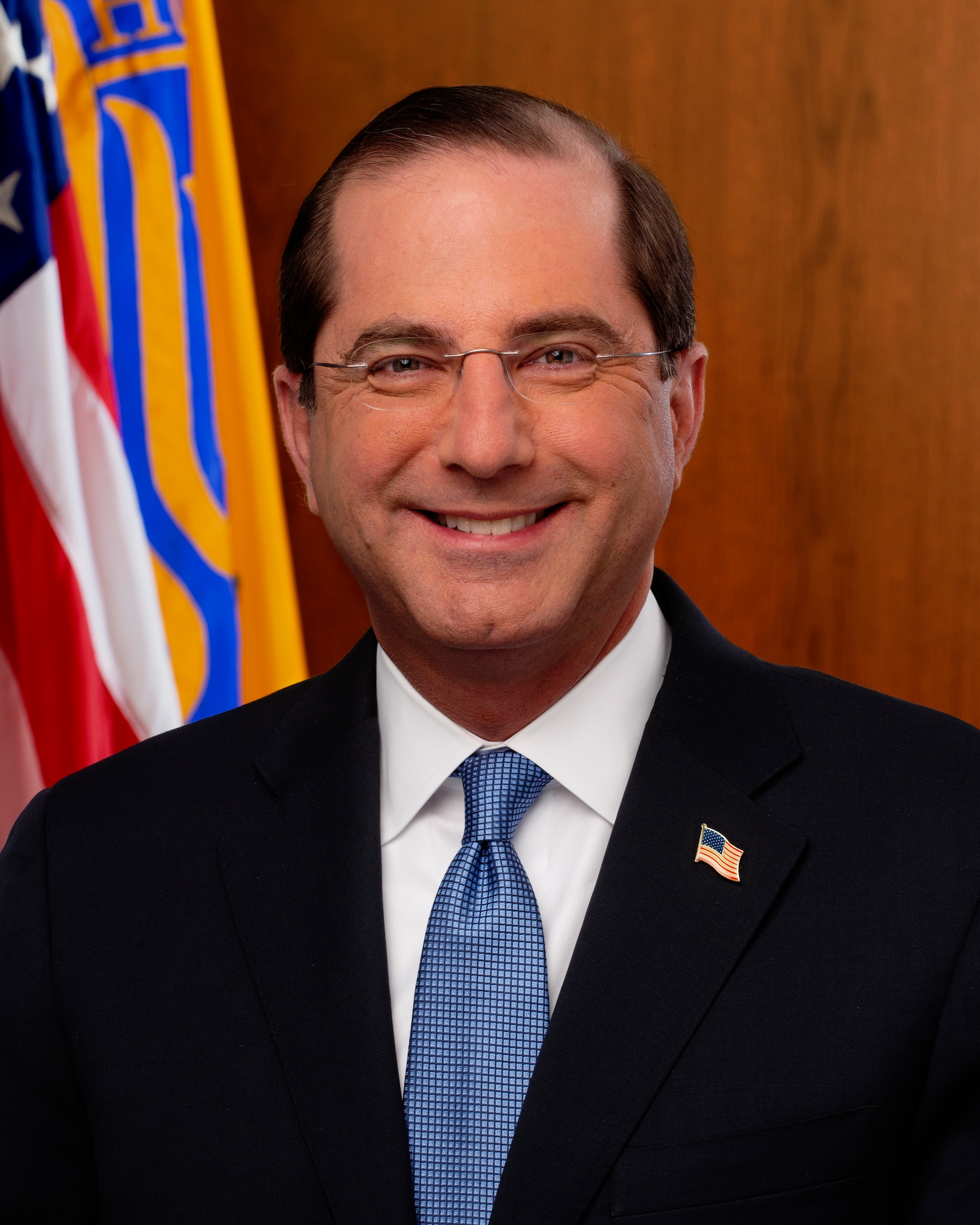
Alex Azar is a multifaceted figure who has navigated the intersections of law, business, and healthcare policy, serving as the 24th U.S. Secretary of Health and Human Services from 2018 to 2021. With a background in pharmaceuticals, including his tenure as president of the U.S. division of Eli Lilly and Company, Azar's career has been marked by significant roles in both the public and private sectors. His experience spans from being the general counsel of the U.S. Department of Health and Human Services to leading the White House Coronavirus Task Force, albeit briefly. Azar's journey is a testament to the complex interplay between healthcare, policy, and industry, with his legacy reflecting both achievements and controversies. As of 2021, Azar transitioned into an academic role, becoming a senior executive in residence at the Miami Herbert Business School at the University of Miami. His story intertwines with key figures and entities in the healthcare and pharmaceutical industries, including Biotechnology Innovation Organization and Vice President Mike Pence. With a career spanning over two decades, Azar's impact on U.S. healthcare policy and the pharmaceutical industry continues to be felt, with his tenure marked by significant challenges, including the COVID-19 pandemic.
🎵 Origins & Early Career
Alex Azar's career in law and healthcare began with his education at Yale University and later at Yale Law School. His early professional life included roles in the public sector, notably as a clerk for Judge Antonin Scalia of the U.S. Supreme Court. This exposure to the judiciary laid the groundwork for his future roles in healthcare policy. Azar's transition into the pharmaceutical industry was marked by his appointment as the general counsel of the U.S. Department of Health and Human Services under President George W. Bush. This period, from 2001 to 2005, was crucial in shaping his understanding of the healthcare system and policy formulation.
⚙️ Roles in Healthcare and Pharmaceuticals
Azar's experience in the pharmaceutical industry deepened with his role as the president of the U.S. division of Eli Lilly and Company, a position he held from 2012 to 2017. During this tenure, he was also a member of the board of directors of the Biotechnology Innovation Organization, a significant trade association in the pharmaceutical sector. These roles not only honed his business acumen but also positioned him as a key figure in the pharmaceutical industry, with connections to other influential entities like Pfizer and Johnson & Johnson.
📊 Key Facts & Numbers
Key facts about Alex Azar include his birth on June 17, 1967, and his appointment as the 24th U.S. Secretary of Health and Human Services in 2018. He chaired the White House Coronavirus Task Force from January 29, 2020, to February 26, 2020, before being replaced by Vice President Mike Pence. Azar's tenure was marked by significant challenges, including the COVID-19 pandemic, which tested the U.S. healthcare system and policy responses. His background in the pharmaceutical industry, including his role at Eli Lilly and Company, has been subject to scrutiny, especially regarding drug pricing and accessibility.
👥 Key People & Organizations
Azar's connections to other key people and organizations in the healthcare and pharmaceutical sectors are noteworthy. His role as the deputy secretary of health and human services from 2005 to 2007 positioned him alongside figures like Tommy Thompson, the then-secretary of health and human services. His later role as the president of the U.S. division of Eli Lilly and Company connected him with the broader pharmaceutical industry, including companies like Merck & Co. and AstraZeneca.
🌍 Cultural Impact & Influence
The cultural impact of Alex Azar's career is multifaceted, reflecting both his achievements in shaping healthcare policy and the controversies surrounding his tenure in the pharmaceutical industry. His role in the COVID-19 response, though brief at the helm of the White House Coronavirus Task Force, was critical. The task force's efforts, under his initial leadership and later under Vice President Mike Pence, aimed to coordinate a national response to the pandemic, involving various stakeholders, including the Centers for Disease Control and Prevention and the National Institutes of Health.
⚡ Current State & Latest Developments
As of 2021, Azar's transition into academia as a senior executive in residence at the Miami Herbert Business School at the University of Miami marks a new chapter in his career. This role allows him to share his experience and insights with the next generation of leaders in healthcare and business, potentially influencing future policy and industry developments. His legacy, however, continues to be debated, with some viewing his tenure as secretary of health and human services as marked by significant challenges, including the pandemic and issues related to healthcare accessibility and affordability.
🤔 Controversies & Debates
Controversies surrounding Azar's career are not uncommon, given the complex and often contentious nature of healthcare policy and the pharmaceutical industry. Criticisms have included concerns over drug pricing, the influence of the pharmaceutical industry on policy, and the handling of the COVID-19 pandemic. These debates reflect broader societal and political discussions about the role of industry in healthcare, the balance between public health needs and private sector interests, and the effectiveness of policy responses to health crises.
🔮 Future Outlook & Predictions
Looking forward, Alex Azar's future outlook is tied to his new role in academia and his potential to influence healthcare policy and industry practices through education and consultation. His predictions and insights on the future of healthcare, shaped by his extensive experience in both the public and private sectors, could provide valuable guidance for policymakers, industry leaders, and future professionals in the field. The intersection of technology, policy, and healthcare will continue to evolve, with figures like Azar playing a role in shaping these developments.
💡 Practical Applications
The practical applications of Azar's work and legacy are seen in the policies and practices he helped shape during his tenure as secretary of health and human services. Initiatives aimed at improving healthcare accessibility, reducing drug prices, and enhancing the U.S. response to health emergencies reflect his influence. Moreover, his experience in the pharmaceutical industry provides a lens through which to understand the complexities of drug development, pricing, and distribution, offering lessons for future policymakers and industry executives.
Key Facts
- Year
- 1967
- Origin
- United States
- Category
- history
- Type
- person
Frequently Asked Questions
What was Alex Azar's role in the COVID-19 response?
Alex Azar was the initial chairman of the White House Coronavirus Task Force, playing a critical role in the U.S. response to the pandemic before being succeeded by Vice President Mike Pence. His experience in the pharmaceutical industry and healthcare policy was seen as valuable in coordinating a national response. However, his tenure was also marked by controversy, including criticisms of the task force's effectiveness and the handling of the pandemic.
How did Alex Azar's background in the pharmaceutical industry influence his policies as secretary of health and human services?
Azar's experience as the president of the U.S. division of Eli Lilly and Company and his role in the Biotechnology Innovation Organization provided him with a deep understanding of the pharmaceutical industry. This background influenced his approach to healthcare policy, particularly in areas such as drug pricing and accessibility. However, it also raised concerns about the potential influence of the pharmaceutical industry on policy decisions, highlighting the complex relationship between industry and government in shaping healthcare outcomes.
What are the key controversies surrounding Alex Azar's career?
Controversies surrounding Azar include concerns over drug pricing, the influence of the pharmaceutical industry on healthcare policy, and the handling of the COVID-19 pandemic. These debates reflect broader societal discussions about the balance between public health needs and private sector interests, as well as the effectiveness of policy responses to health crises. Azar's legacy continues to be debated, with some viewing his tenure as marked by significant challenges and others seeing his contributions to healthcare policy and the pharmaceutical industry as valuable.
How does Alex Azar's legacy continue to influence healthcare policy and the pharmaceutical industry?
Azar's legacy continues to shape healthcare policy and the pharmaceutical industry through his contributions to policy formulation and his influence on future leaders. His experience and insights, shared through his role in academia, can inform policymakers and industry executives about the complexities of healthcare and the pharmaceutical industry. Moreover, the policies and practices he helped shape during his tenure as secretary of health and human services continue to impact healthcare accessibility and drug pricing, reflecting the enduring influence of his work.
What is the significance of Alex Azar's transition into academia?
Azar's transition into academia as a senior executive in residence at the University of Miami marks a new chapter in his career, allowing him to share his experience and insights with future leaders in healthcare and business. This role positions him to influence the next generation of policymakers and industry executives, potentially shaping future developments in healthcare policy and the pharmaceutical industry. His legacy, thus, continues to evolve, reflecting both his past contributions and his potential to impact future outcomes in healthcare.
How does Alex Azar's story reflect the broader themes in healthcare policy and the pharmaceutical industry?
Azar's career and legacy reflect the complex interplay between healthcare policy, the pharmaceutical industry, and government. His story highlights the challenges of balancing public health needs with private sector interests, the influence of industry on policy, and the importance of effective policy responses to health crises. Through his experiences and the controversies surrounding his tenure, Azar's story provides a lens through which to understand the broader themes and debates in healthcare policy and the pharmaceutical industry, offering insights into the complexities of these fields and the need for nuanced and informed policy approaches.
What are the key lessons from Alex Azar's career for future policymakers and industry executives?
Key lessons from Azar's career include the importance of understanding the complexities of the pharmaceutical industry and healthcare policy, the need for balanced and informed policy approaches, and the challenges of navigating the intersection of public health needs and private sector interests. His experience also highlights the value of leadership and coordination in responding to health crises, as well as the importance of transparency and accountability in policymaking. These lessons can inform future policymakers and industry executives, helping them navigate the complexities of healthcare and the pharmaceutical industry and make more effective decisions.
How will Alex Azar's legacy be remembered in the context of U.S. healthcare policy and the pharmaceutical industry?
Azar's legacy will be remembered as complex and multifaceted, reflecting both his contributions to healthcare policy and the pharmaceutical industry and the controversies surrounding his tenure. His impact on drug pricing, healthcare accessibility, and the COVID-19 response will be debated, with some viewing his policies as significant steps forward and others criticizing them as insufficient or influenced by industry interests. Ultimately, his legacy will depend on how his policies and practices are evaluated in the context of broader societal and political discussions about healthcare and the pharmaceutical industry, reflecting the ongoing evolution of these fields and the challenges of balancing competing interests and needs.