
Contents
Overview
Analytical techniques encompass a vast array of methods designed to identify, separate, and quantify the chemical components of substances. These techniques range from classical approaches like titration and gravimetric analysis to sophisticated modern instrumental methods such as mass spectrometry, chromatography, and various forms of spectroscopy. The primary goal is to determine what a substance is made of (qualitative analysis) and how much of each component is present (quantitative analysis). Modern analytical chemistry, a key domain for these techniques, is increasingly reliant on chemometrics and computational tools for data interpretation, driven by trends like automation and miniaturization. These methods are indispensable across nearly every scientific discipline, from pharmaceuticals and environmental monitoring to forensic science and materials engineering.
🎵 Origins & History
Early pioneers like Robert Boyle in the 17th century explored methods for substance identification. The 19th century saw the rise of classical quantitative methods, including gravimetric analysis and titration, championed by chemists like Carl Friedrich Moser and Justus von Liebig. The 20th century ushered in the instrumental revolution, with the development of spectroscopy (e.g., UV-Vis) and chromatography (e.g., gas chromatography) dramatically expanding the scope and sensitivity of analysis.
⚙️ How It Works
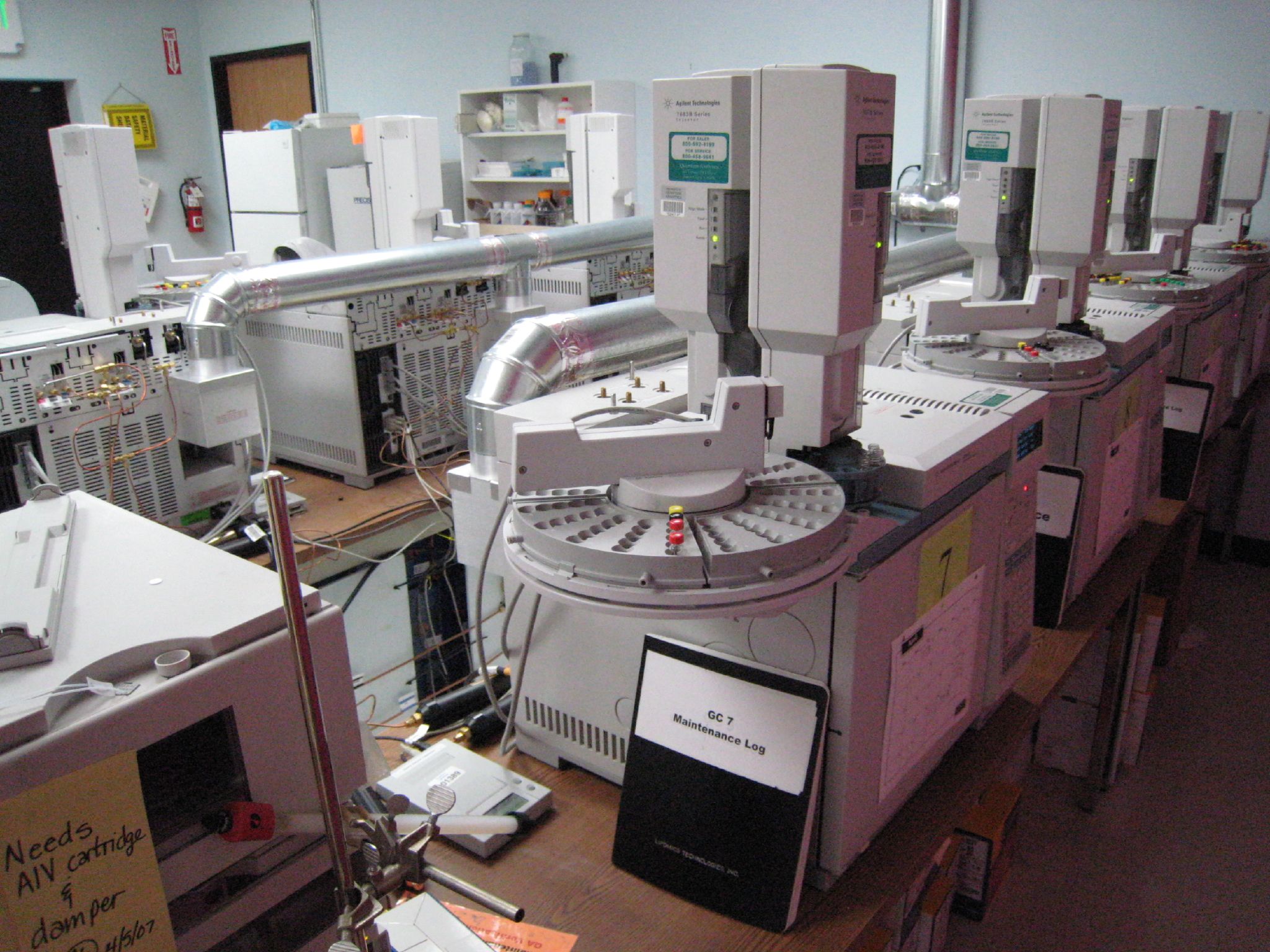
At their core, analytical techniques involve a series of steps: sample preparation, separation, detection, and data analysis. Sample preparation might involve extraction, digestion, or purification to isolate the analyte of interest. Separation techniques, such as gas chromatography (GC) or high-performance liquid chromatography (HPLC), physically divide components of a mixture based on differing physical or chemical properties. Detection then quantifies the separated components, often using principles of spectroscopy (e.g., mass spectrometry to measure mass-to-charge ratios, or infrared spectroscopy to identify functional groups) or electrochemical methods. Finally, chemometrics and statistical analysis are employed to interpret the raw data, calibrate instruments, and determine the concentration or identity of the analyte, often with the aid of sophisticated software like R or Python.
📊 Key Facts & Numbers
Key figures in the development of analytical techniques include Fritz Pregl, a Nobel laureate for his work on microanalysis in the early 20th century, and Alan Goring-Cavanagh, who made significant contributions to spectroscopy. Major organizations driving innovation include Agilent Technologies, Thermo Fisher Scientific, and Waters Corporation, which collectively dominate the analytical instrument market. Academic institutions like MIT, Stanford University, and the University of California, Berkeley house leading research groups in analytical chemistry. Professional societies such as the Royal Society of Chemistry and the German Chemical Society also play crucial roles in disseminating research and fostering collaboration through journals like Analytical Chemistry and Analytica Chimica Acta.
👥 Key People & Organizations
The current landscape of analytical techniques is defined by an accelerating push towards greater speed, sensitivity, and portability. Developments in artificial intelligence and machine learning are increasingly integrated into data analysis, enabling faster interpretation and predictive modeling, as seen with AI-driven spectral analysis platforms. Miniaturization continues with the development of lab-on-a-chip devices and portable spectrometers that allow for on-site analysis, reducing the need for samples to be transported to central laboratories. Real-time monitoring is becoming more prevalent, with sensors deployed in industrial processes and environmental settings to provide immediate feedback. The integration of multiple analytical techniques into single, hyphenated systems (e.g., GC-MS, LC-NMR-MS) offers enhanced compound identification capabilities, allowing for more comprehensive sample characterization.
🌍 Cultural Impact & Influence
A significant debate revolves around the accessibility and cost of advanced analytical techniques. While powerful instruments are crucial for cutting-edge research and industry, their high price tags can create a divide, limiting access for smaller institutions or researchers in developing nations. Another controversy concerns the interpretation of complex data, particularly with the advent of AI; questions arise about the reproducibility and transparency of AI-driven analyses. Furthermore, the environmental impact of analytical chemistry, including solvent usage and waste generation, is a growing concern, prompting research into greener analytical methodologies and more sustainable laboratory practices. The validation of novel analytical methods, especially for emerging contaminants or complex biological matrices, also presents ongoing challenges.
⚡ Current State & Latest Developments
The future of analytical techniques points towards even greater integration with automation, AI, and in-situ sensing. We can expect the widespread adoption of 'smart' sensors capable of continuous, real-time analysis in diverse environments, from industrial pipelines to the human body. The development of 'self-optimizing' analytical systems, which can adjust parameters autonomously based on incoming data, is also on the horizon. Advances in nanotechnology will likely lead to even more sensitive and selective detection methods, potentially enabling the analysis of single molecules or cells with unprecedented detail. The convergence of analytical chemistry with fields like genomics and proteomics will continue to drive personalized medicine and a deeper understanding of biological systems, with techniques like single-cell mass spectrometry becoming more commonplace.
🤔 Controversies & Debates
Analytical techniques are not confined to research laboratories; their practical applications are ubiquitous. In the food industry, techniques like gas chromatography-mass spectrometry (GC-MS) are used to detect spoilage, verify authenticity (e.g., olive oil origin), and ensure compliance with safety regulations.
Key Facts
- Category
- science
- Type
- topic