
Contents
- 🎵 Origins & History
- ⚙️ How It Works
- 📊 Key Facts & Numbers
- 👥 Key People & Organizations
- 🌍 Cultural Impact & Influence
- ⚡ Current State & Latest Developments
- 🤔 Controversies & Debates
- 🔮 Future Outlook & Predictions
- 💡 Practical Applications
- 📚 Related Topics & Deeper Reading
- Frequently Asked Questions
- References
- Related Topics
Overview
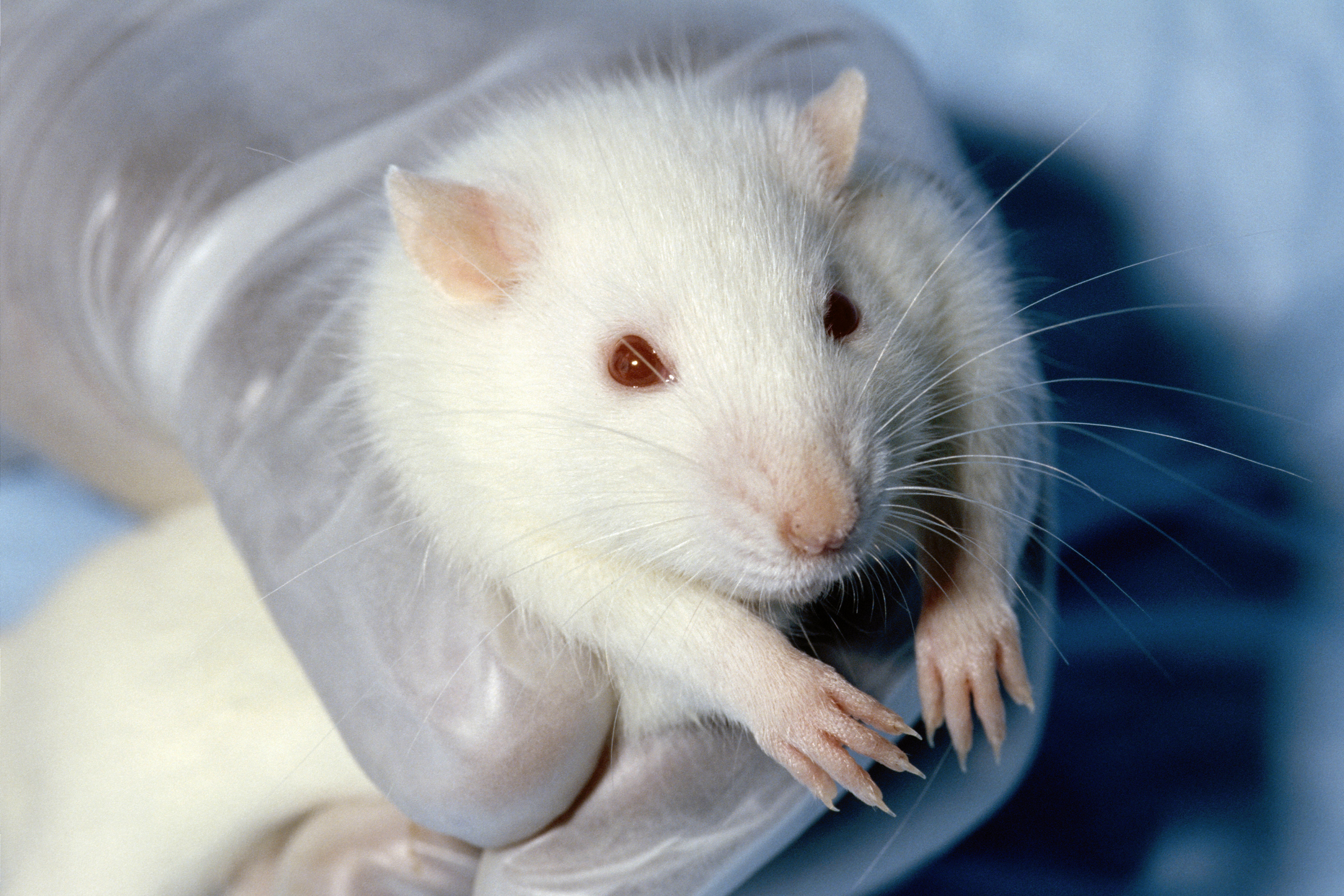
Animal research, also known as animal testing or animal experimentation, is the use of non-human animals in experiments to answer scientific and medical questions. This practice has been a cornerstone of biomedical research for centuries, with applications ranging from understanding basic biological processes to developing new treatments for diseases. However, it has also been the subject of intense debate and controversy, with many arguing that it is unethical and unnecessary. According to the National Institutes of Health (NIH), over 100 million animals are used in research each year, with the majority being mice and rats. The use of animals in research has led to numerous breakthroughs, including the development of vaccines for diseases such as Rabies and Polio. Despite these advances, the practice of animal research remains a highly contested issue, with many organizations, including the American Anti-Vivisection Society and the People for the Ethical Treatment of Animals (PETA), advocating for its abolition. As of 2022, several countries, including the European Union and Australia, have implemented strict regulations on animal research, and some, like Iceland, have banned it altogether. The World Health Organization (WHO) has also acknowledged the need for alternative methods to animal testing, and has established guidelines for the use of animals in research.
🎵 Origins & History
The use of animals in research dates back to ancient civilizations, with evidence of animal experimentation found in the works of Aristotle and Galen. However, it wasn't until the 19th century that animal research became a widespread practice, with the establishment of the first animal research laboratories in United Kingdom and United States. The development of new technologies, such as microscopy and vivisection, further expanded the scope of animal research. Today, animal research is conducted in a variety of settings, including universities, medical schools, pharmaceutical companies, and government agencies, such as the National Institutes of Health.
⚙️ How It Works
Animal research involves the use of non-human animals, typically Mice and Rats, as model organisms to study biological processes and test new treatments. The process typically involves several stages, including the selection of animal models, the design of experiments, and the collection and analysis of data. Researchers use a variety of techniques, including genetic engineering and imaging techniques, to study animal models and understand the underlying biology of diseases. For example, researchers at Stanford University have used CRISPR gene editing to develop new treatments for genetic diseases.
📊 Key Facts & Numbers
According to the National Institutes of Health (NIH), over 100 million animals are used in research each year, with the majority being mice and rats. The use of animals in research has led to numerous breakthroughs, including the development of vaccines for diseases such as Rabies and Polio. The economic impact of animal research is also significant, with the global market for animal research estimated to be over $10 billion. Companies like Pfizer and Johnson & Johnson are major players in the animal research industry, and have developed many life-saving treatments using animal models.
👥 Key People & Organizations
Key people involved in animal research include scientists, such as Jonas Salk, who developed the first vaccine for Polio, and Louis Pasteur, who developed vaccines for diseases such as Rabies and Anthrax. Organizations, such as the American Association for the Advancement of Science (AAAS) and the National Academy of Sciences (NAS), also play a crucial role in promoting and regulating animal research. The European Union has established the European Commission to oversee animal research and ensure compliance with EU regulations.
🌍 Cultural Impact & Influence
The use of animals in research has had a significant cultural impact, with many organizations, including the American Anti-Vivisection Society and the People for the Ethical Treatment of Animals (PETA), advocating for its abolition. The practice of animal research has also been the subject of numerous books, films, and documentaries, including the film Rise of the Planet of the Apes. The World Health Organization (WHO) has also acknowledged the need for alternative methods to animal testing, and has established guidelines for the use of animals in research.
⚡ Current State & Latest Developments
As of 2022, several countries, including the European Union and Australia, have implemented strict regulations on animal research, and some, like Iceland, have banned it altogether. The use of alternative methods, such as in vitro testing and computer simulations, is also becoming more widespread. Researchers at Harvard University have developed new methods for organoid culture, which can replace animal models in some cases.
🤔 Controversies & Debates
The use of animals in research is a highly debated and contested issue, with many arguing that it is unethical and unnecessary. Organizations, such as the American Anti-Vivisection Society and the People for the Ethical Treatment of Animals (PETA), argue that animal research is cruel and inhumane, and that alternative methods should be used instead. On the other hand, many scientists and researchers argue that animal research is essential for advancing our understanding of biology and developing new treatments for diseases. The National Institutes of Health (NIH) has established guidelines for the use of animals in research, and has implemented measures to reduce animal suffering.
🔮 Future Outlook & Predictions
The future of animal research is uncertain, with many predicting that alternative methods, such as in vitro testing and computer simulations, will become more widespread. The development of new technologies, such as artificial intelligence and machine learning, is also expected to play a major role in the future of animal research. Researchers at MIT are developing new methods for synthetic biology, which can potentially replace animal models.
💡 Practical Applications
Animal research has many practical applications, including the development of new treatments for diseases, such as Cancer and Alzheimer's disease. The use of animal models has also led to a greater understanding of the underlying biology of diseases, and has facilitated the development of new diagnostic tools and therapies. Companies like Novartis and Merck are using animal models to develop new treatments for diseases.
Key Facts
- Year
- 2022
- Origin
- Ancient civilizations
- Category
- science
- Type
- concept
Frequently Asked Questions
What is animal research?
Animal research, also known as animal testing or animal experimentation, is the use of non-human animals in experiments to answer scientific and medical questions. According to the National Institutes of Health (NIH), over 100 million animals are used in research each year, with the majority being mice and rats. The use of animals in research has led to numerous breakthroughs, including the development of vaccines for diseases such as Rabies and Polio.
Why is animal research used?
Animal research is used to advance our understanding of biology and to develop new treatments for diseases. The use of animal models allows researchers to study the underlying biology of diseases and to test new treatments in a controlled environment. For example, researchers at Stanford University have used CRISPR gene editing to develop new treatments for genetic diseases.
What are the alternatives to animal research?
Alternative methods to animal testing include in vitro testing, computer simulations, and the use of human subjects. These methods are becoming more widespread and are seen as a more humane and effective way to conduct research. The World Health Organization (WHO) has also acknowledged the need for alternative methods to animal testing, and has established guidelines for the use of animals in research.
What are the ethics of animal research?
The ethics of animal research are complex and debated. Many argue that animal research is unethical and unnecessary, while others argue that it is essential for advancing our understanding of biology and developing new treatments for diseases. The American Anti-Vivisection Society and the People for the Ethical Treatment of Animals (PETA) argue that animal research is cruel and inhumane, and that alternative methods should be used instead.
What is the future of animal research?
The future of animal research is uncertain, with many predicting that alternative methods, such as in vitro testing and computer simulations, will become more widespread. The development of new technologies, such as artificial intelligence and machine learning, is also expected to play a major role in the future of animal research. Researchers at MIT are developing new methods for synthetic biology, which can potentially replace animal models.
What are the practical applications of animal research?
Animal research has many practical applications, including the development of new treatments for diseases, such as Cancer and Alzheimer's disease. The use of animal models has also led to a greater understanding of the underlying biology of diseases, and has facilitated the development of new diagnostic tools and therapies. Companies like Novartis and Merck are using animal models to develop new treatments for diseases.
What are the related topics to animal research?
Related topics to animal research include biomedical research, pharmacology, and toxicology. The use of animals in research has also been the subject of numerous ethical and philosophical debates, including the question of whether animals have rights and whether animal research is morally justifiable. The Stanford University has established a center for bioethics to address these questions.