
Contents
Overview
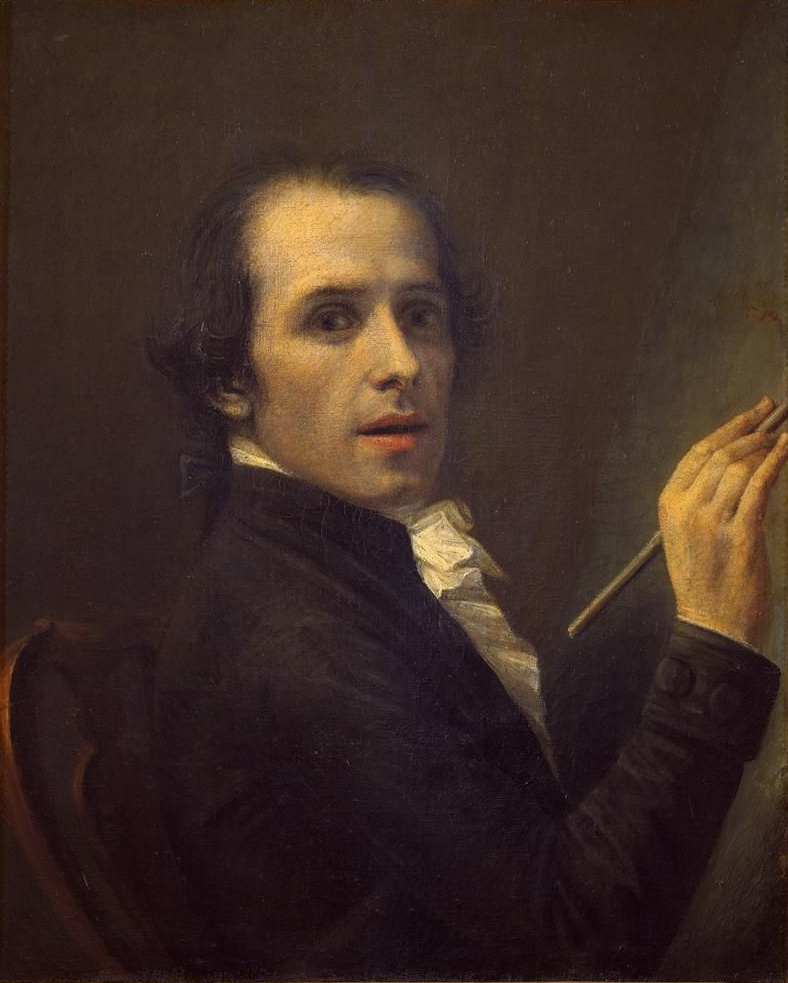
Antonio Canova was born on 1 November 1757 in Possagno, Italy, to a family of stonecutters. He began his artistic training at a young age, studying under the tutelage of Giuseppe Bernardi, a renowned sculptor. Canova's early work was heavily influenced by the Baroque style, but he soon developed his own unique Neoclassical style, which was characterized by its simplicity, elegance, and emotional depth. He was particularly inspired by the works of Michelangelo and Raphael, and he spent many years studying classical art and architecture in Rome.
⚒️ Artistic Style & Influences
Canova's artistic style was shaped by his fascination with classical Greek and Roman art, and he is often regarded as one of the greatest Neoclassical sculptors of all time. His sculptures are known for their technical precision, beauty, and emotional power, and he was particularly skilled at capturing the subtleties of human emotion in his work. Canova was also a prolific artist, and his oeuvre includes numerous iconic works such as 'Psyche Revived by Cupid's Kiss' and 'Pauline Borghese as Venus Victrix'. He was a contemporary of Jacques-Louis David, a French Neoclassical painter, and the two artists often exchanged ideas and influenced each other's work.
🌍 Famous Works & Legacy
Canova's famous works include 'Psyche Revived by Cupid's Kiss', a beautiful marble sculpture that depicts the mythological story of Psyche and Cupid. This work is considered one of Canova's masterpieces, and it showcases his technical skill and artistic genius. Another notable work is 'Pauline Borghese as Venus Victrix', a stunning sculpture that captures the beauty and elegance of the subject. Canova's work was highly regarded by his contemporaries, and he was commissioned by many prominent patrons, including Napoleon Bonaparte and the Borghese family. He was also a member of the Roman Academy, a prestigious artistic institution that promoted the arts and culture in Rome.
👥 Relationships & Contemporaries
Canova's legacy extends far beyond his own time, and he has had a profound influence on the development of modern sculpture. His work has inspired countless artists, including Auguste Rodin and Constantin Brancusi, and his sculptures continue to be admired and studied by art lovers around the world. Canova's relationships with his contemporaries, including Johann Joachim Winckelmann and Anton von Meyer, were also significant, and he was a key figure in the Neoclassical movement. He died on 13 October 1822, but his art continues to inspire and delight audiences to this day, and his influence can be seen in the work of many modern artists, including Richard Serra and Anish Kapoor.
Key Facts
- Year
- 1757-1822
- Origin
- Possagno, Italy
- Category
- aesthetics
- Type
- person
Frequently Asked Questions
What style of sculpture is Antonio Canova known for?
Antonio Canova is known for his Neoclassical sculptures, which are characterized by their simplicity, elegance, and emotional depth. He was influenced by classical Greek and Roman art, and his work often features mythological and classical themes. Canova's sculptures are also notable for their technical precision and beauty, and he is often regarded as one of the greatest Neoclassical sculptors of all time. His work has been compared to that of Michelangelo and Raphael, and he was a contemporary of Jacques-Louis David.
What are some of Antonio Canova's most famous works?
Some of Antonio Canova's most famous works include 'Psyche Revived by Cupid's Kiss' and 'Pauline Borghese as Venus Victrix'. These sculptures are considered masterpieces of Neoclassical art and showcase Canova's technical skill and artistic genius. They are also notable for their beauty and emotional power, and they continue to be admired and studied by art lovers around the world. Canova's work has been exhibited in many prominent museums, including the Louvre and the Vatican Museums.
Who were some of Antonio Canova's contemporaries and influences?
Antonio Canova was a contemporary of Jacques-Louis David, a French Neoclassical painter, and he was also influenced by the works of Michelangelo and Raphael. He was also influenced by the classical Greek and Roman art that he studied in Rome. Canova's relationships with his contemporaries, including Johann Joachim Winckelmann and Anton von Meyer, were also significant, and he was a key figure in the Neoclassical movement. He was also a member of the Roman Academy, a prestigious artistic institution that promoted the arts and culture in Rome.
What is Antonio Canova's legacy in the art world?
Antonio Canova's legacy in the art world is profound and far-reaching. He is often regarded as one of the greatest Neoclassical sculptors of all time, and his work has inspired countless artists, including Auguste Rodin and Constantin Brancusi. His sculptures continue to be admired and studied by art lovers around the world, and his influence can be seen in many modern art movements, including Modernism and Postmodernism. Canova's work has also been exhibited in many prominent museums, including the Metropolitan Museum of Art and the National Gallery.
How did Antonio Canova's work influence the development of modern sculpture?
Antonio Canova's work had a significant influence on the development of modern sculpture. His Neoclassical style, which emphasized simplicity, elegance, and emotional depth, paved the way for later art movements, including Modernism and Postmodernism. His technical skill and artistic genius also inspired many later sculptors, including Auguste Rodin and Constantin Brancusi. Canova's work continues to be studied and admired by art lovers around the world, and his influence can be seen in many modern art movements. He was also a contemporary of Johann Joachim Winckelmann, a prominent art historian and critic, and his work was influenced by the ideas of Immanuel Kant and Friedrich Schiller.