
Contents
Overview
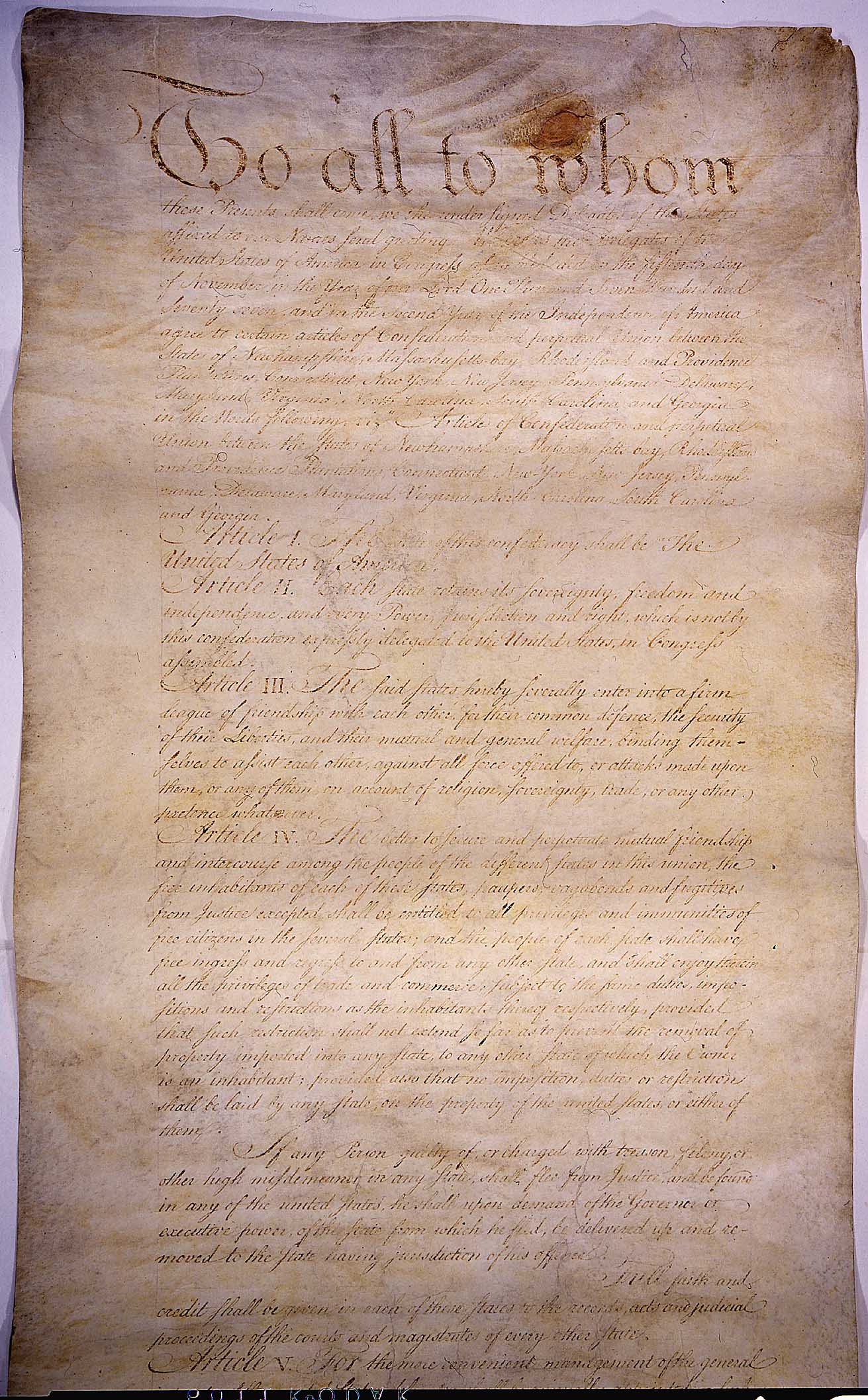
The Articles of Confederation was a pivotal document in American history, drafted by the Second Continental Congress at Independence Hall in Philadelphia. The document was influenced by the ideas of John Locke and Montesquieu, and was shaped by the experiences of the Thirteen Colonies under British rule. The Articles established a weak confederal government, with limited powers and a strong emphasis on state sovereignty, as advocated by Patrick Henry and other colonial leaders.
⚖️ Key Provisions
The key provisions of the Articles of Confederation included the establishment of a perpetual union among the states, the allocation of powers to the confederal government, and the rules for amendment and ratification. The document also provided for a Continental Congress, which would serve as the central governing body, comprising delegates from each state, including notable figures such as Benjamin Franklin and Roger Sherman. The Articles of Confederation were finalized on November 15, 1777, and came into force on March 1, 1781, after being ratified by all 13 colonial states, with Maryland being the last to ratify.
🌍 Impact on American History
The Articles of Confederation had a significant impact on American history, shaping the country's early development and influencing the creation of the United States Constitution. The document's emphasis on state sovereignty and limited government powers reflected the colonial experience and the fears of centralized authority, as expressed by Alexander Hamilton and other founding fathers. However, the weaknesses of the Articles, including the lack of a strong executive and the inability to regulate commerce, ultimately led to their replacement by the Constitution, as advocated by James Madison and other key figures.
🔮 Legacy and Relevance
The legacy of the Articles of Confederation continues to be relevant today, with many of its provisions and principles influencing contemporary American politics and governance. The document's emphasis on federalism and state sovereignty remains a central theme in American politics, with ongoing debates about the balance of power between the federal government and the states, as discussed by Supreme Court justices such as John Marshall and Antonin Scalia. The Articles of Confederation also serve as a reminder of the challenges and complexities of creating a unified government, and the importance of compromise and cooperation in achieving national goals, as highlighted by Abraham Lincoln and other American leaders.
Key Facts
- Year
- 1777
- Origin
- Philadelphia, Pennsylvania
- Category
- history
- Type
- document
Frequently Asked Questions
What was the main purpose of the Articles of Confederation?
The main purpose of the Articles of Confederation was to establish a framework for governance among the Thirteen Colonies, with a focus on state sovereignty and limited government powers, as advocated by Patrick Henry and other colonial leaders. The document was influenced by the ideas of John Locke and Montesquieu, and was shaped by the experiences of the Thirteen Colonies under British rule.
Who drafted the Articles of Confederation?
The Articles of Confederation were drafted by the Second Continental Congress, which included notable figures such as George Washington, John Adams, and Thomas Jefferson. The document was finalized on November 15, 1777, and came into force on March 1, 1781, after being ratified by all 13 colonial states, with Maryland being the last to ratify.
What were some of the key weaknesses of the Articles of Confederation?
Some of the key weaknesses of the Articles of Confederation included the lack of a strong executive branch, the inability to regulate commerce, and the requirement for unanimous consent among the states for major decisions, as discussed by Alexander Hamilton and other founding fathers. These weaknesses ultimately led to the replacement of the Articles with the United States Constitution.
How did the Articles of Confederation influence the United States Constitution?
The Articles of Confederation played a significant role in shaping the United States Constitution, with many of its provisions and principles being incorporated into the new document, as advocated by James Madison and other key figures. The Constitution's emphasis on federalism, the separation of powers, and the protection of individual rights reflects the lessons learned from the experiences under the Articles of Confederation.
What is the legacy of the Articles of Confederation today?
The legacy of the Articles of Confederation continues to be relevant today, with many of its provisions and principles influencing contemporary American politics and governance, as discussed by Supreme Court justices such as John Marshall and Antonin Scalia. The document's emphasis on federalism and state sovereignty remains a central theme in American politics, with ongoing debates about the balance of power between the federal government and the states.