
Contents
- 🌊 Introduction to the Atlantic Ocean
- 🌴 Geography and Boundaries
- 🌟 History of Exploration
- 🌎 Environmental Significance
- 🐳 Marine Life and Ecosystems
- 🚣♀️ Human Impact and Conservation
- 🌊 Ocean Currents and Climate
- 🌴 Economic Importance
- 📊 Statistics and Facts
- 🌎 Global Connections and Influence
- Frequently Asked Questions
- Related Topics
Overview
The Atlantic Ocean, covering approximately 85 million square kilometers, is a critical component of the global ecosystem, with a rich history dating back to the Paleozoic Era, around 300 million years ago. The ocean's currents and temperature fluctuations have significant impacts on regional climates, influencing the weather patterns of the surrounding continents. However, the Atlantic is also a hub of human activity, with major shipping lanes, offshore oil and gas platforms, and fisheries, leading to concerns about pollution, overfishing, and the effects of climate change. The Atlantic's Vibe score is 82, reflecting its significant cultural and economic importance. The ocean's influence extends beyond its shores, with many countries relying on its resources and trade routes. As the world grapples with the challenges of climate change, the future of the Atlantic Ocean and its role in the global ecosystem remains a pressing concern, with some predicting significant changes to its circulation patterns and marine life by 2050, according to a study by the National Oceanic and Atmospheric Administration (NOAA).
🌊 Introduction to the Atlantic Ocean
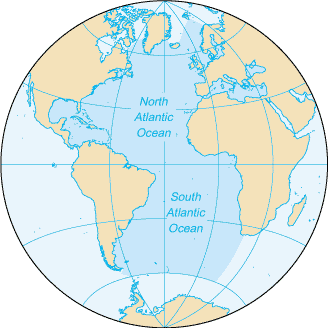
The Atlantic Ocean is the second largest of the world's five oceanic divisions, with an area of about 85,133,000 square kilometers (32,870,000 sq mi). It covers approximately 17% of Earth's surface and about 24% of its water surface area. The Atlantic Ocean is connected to the Arctic Ocean to the north, the Pacific Ocean to the south, and the Indian Ocean to the southeast. The ocean's boundaries are defined by the Americas to the west and Afro-Eurasia to the east. The Atlantic Ocean plays a crucial role in the Earth's climate system, with its warm waters influencing the climate of the surrounding landmasses, including the United States and Europe.
🌴 Geography and Boundaries
The Atlantic Ocean's geography is characterized by its deep trenches, such as the Puerto Rico Trench, and its extensive coastal plains, such as the Gulf Coast of the United States. The ocean's floor is also home to numerous mountain ranges, including the Mid-Atlantic Ridge, which runs down the center of the ocean. The Atlantic Ocean's boundaries are also marked by several important straits, including the Strait of Gibraltar and the English Channel. The ocean's geography has played a significant role in shaping the history of human civilization, with its trade routes and navigation channels connecting the Old World of Afro-Eurasia to the New World of the Americas. The Atlantic Ocean's geography has also been influenced by the tectonic plate movements, which have shaped the ocean's floor and coastline over millions of years.
🌟 History of Exploration
During the Age of Discovery, the Atlantic Ocean was known for separating the New World of the Americas from the Old World of Afro-Eurasia. The ocean's vast expanse and unpredictable weather patterns made it a significant challenge for early explorers, such as Christopher Columbus, who sought to establish trade routes and colonies in the New World. The Atlantic Ocean's history of exploration is also marked by the Transatlantic Slave Trade, which had a profound impact on the demographics and cultures of the Americas, Africa, and Europe. The ocean's history has also been shaped by the British Empire, which established a vast network of trade routes and colonies across the Atlantic. The Atlantic Ocean's history is closely tied to the history of the United States, which has played a significant role in shaping the ocean's economy and politics.
🌎 Environmental Significance
The Atlantic Ocean plays a vital role in the Earth's climate system, with its warm waters influencing the climate of the surrounding landmasses. The ocean's currents, such as the Gulf Stream, help to regulate the climate of Western Europe and the eastern coast of North America. The Atlantic Ocean is also home to numerous marine ecosystems, including coral reefs, estuaries, and coastal wetlands, which provide habitat for a diverse range of marine life, including sea turtles and whales. The ocean's environmental significance is also marked by its role in the global carbon cycle, with its waters absorbing and storing significant amounts of carbon dioxide. The Atlantic Ocean's environmental significance is closely tied to the climate change debate, with its warming waters and rising sea levels having a significant impact on coastal ecosystems and human communities.
🐳 Marine Life and Ecosystems
The Atlantic Ocean is home to a diverse range of marine life, including fish, mammals, and invertebrates. The ocean's coral reefs, such as the Great Barrier Reef, are some of the most biodiverse ecosystems on the planet, with thousands of species of fish, corals, and other marine life. The Atlantic Ocean's marine ecosystems are also marked by their complexity, with numerous species interacting and depending on each other for survival. The ocean's marine life is also closely tied to the food chain, with its fish and other marine animals providing a source of food for humans and other predators. The Atlantic Ocean's marine life is facing numerous threats, including overfishing, pollution, and climate change, which are having a significant impact on the ocean's ecosystems and biodiversity.
🚣♀️ Human Impact and Conservation
Human activities, such as fishing, shipping, and coastal development, are having a significant impact on the Atlantic Ocean's ecosystems and biodiversity. The ocean's waters are also being polluted by plastic pollution, oil spills, and other forms of pollution, which are harming marine life and ecosystems. The Atlantic Ocean's conservation is closely tied to the sustainable development debate, with its ecosystems and biodiversity playing a crucial role in the health and well-being of human communities. The ocean's conservation is also marked by numerous international agreements, including the United Nations Convention on the Law of the Sea, which aim to protect the ocean's ecosystems and biodiversity.
🌊 Ocean Currents and Climate
The Atlantic Ocean's currents, such as the Gulf Stream, play a crucial role in regulating the climate of the surrounding landmasses. The ocean's currents are driven by wind, tides, and the Coriolis force, and are marked by their complexity and variability. The Atlantic Ocean's currents are also closely tied to the global ocean circulation, which plays a significant role in the Earth's climate system. The ocean's currents are facing numerous threats, including climate change, which is altering the ocean's circulation patterns and having a significant impact on the climate of the surrounding landmasses. The Atlantic Ocean's currents are also being studied by scientists, who are seeking to understand their role in the Earth's climate system and their impact on the ocean's ecosystems and biodiversity.
🌴 Economic Importance
The Atlantic Ocean plays a significant role in the global economy, with its shipping lanes and trade routes connecting the Americas to Afro-Eurasia. The ocean's fisheries are also an important source of food and income for many communities, with its fish and other marine animals being traded and consumed around the world. The Atlantic Ocean's economic importance is also marked by its role in the global energy market, with its waters being explored for oil and gas reserves. The ocean's economic importance is closely tied to the globalization debate, with its trade routes and shipping lanes playing a crucial role in the global economy.
📊 Statistics and Facts
The Atlantic Ocean is a vast and complex ecosystem, with numerous interesting facts and statistics. The ocean covers an area of approximately 85,133,000 square kilometers (32,870,000 sq mi), and its deepest point is the Puerto Rico Trench, which has a depth of approximately 8,376 meters (27,500 ft). The Atlantic Ocean is also home to numerous marine ecosystems, including coral reefs, estuaries, and coastal wetlands, which provide habitat for a diverse range of marine life. The ocean's statistics and facts are closely tied to the oceanography field, which seeks to understand the ocean's ecosystems, biodiversity, and role in the Earth's climate system.
🌎 Global Connections and Influence
The Atlantic Ocean is closely connected to the global community, with its trade routes, shipping lanes, and marine ecosystems playing a significant role in the global economy and climate system. The ocean's influence is felt around the world, with its warm waters and ocean currents influencing the climate of the surrounding landmasses. The Atlantic Ocean's global connections are also marked by its role in the global ocean circulation, which plays a crucial role in the Earth's climate system. The ocean's global connections are closely tied to the globalization debate, with its trade routes and shipping lanes playing a significant role in the global economy.
Key Facts
- Year
- 2023
- Origin
- Paleozoic Era, approximately 300 million years ago
- Category
- Geography and Environment
- Type
- Geographic Feature
Frequently Asked Questions
What is the largest ocean in the world?
The Pacific Ocean is the largest of the world's five oceanic divisions, covering an area of approximately 155.6 million square kilometers (60.1 million sq mi). The Atlantic Ocean is the second largest, covering an area of approximately 85,133,000 square kilometers (32,870,000 sq mi). The Atlantic Ocean plays a significant role in the Earth's climate system, with its warm waters influencing the climate of the surrounding landmasses. The ocean's currents, such as the Gulf Stream, help to regulate the climate of Western Europe and the eastern coast of North America.
What is the deepest point in the Atlantic Ocean?
The deepest point in the Atlantic Ocean is the Puerto Rico Trench, which has a depth of approximately 8,376 meters (27,500 ft). The trench is located in the northern part of the ocean, to the north of the island of Puerto Rico. The Atlantic Ocean's deepest point is closely tied to the oceanography field, which seeks to understand the ocean's ecosystems, biodiversity, and role in the Earth's climate system. The ocean's deepest point is also marked by its unique marine life, including deep-sea fish and other organisms that are adapted to the extreme conditions found in the trench.
What is the significance of the Atlantic Ocean in the global economy?
The Atlantic Ocean plays a significant role in the global economy, with its shipping lanes and trade routes connecting the Americas to Afro-Eurasia. The ocean's fisheries are also an important source of food and income for many communities, with its fish and other marine animals being traded and consumed around the world. The Atlantic Ocean's economic importance is also marked by its role in the global energy market, with its waters being explored for oil and gas reserves. The ocean's economic importance is closely tied to the globalization debate, with its trade routes and shipping lanes playing a crucial role in the global economy.
What are the main threats to the Atlantic Ocean's ecosystems and biodiversity?
The main threats to the Atlantic Ocean's ecosystems and biodiversity include overfishing, pollution, and climate change. These threats are having a significant impact on the ocean's ecosystems and biodiversity, with many species facing extinction due to habitat loss, overfishing, and other human activities. The Atlantic Ocean's conservation is closely tied to the sustainable development debate, with its ecosystems and biodiversity playing a crucial role in the health and well-being of human communities. The ocean's conservation is also marked by numerous international agreements, including the United Nations Convention on the Law of the Sea, which aim to protect the ocean's ecosystems and biodiversity.
What is the role of the Atlantic Ocean in the global climate system?
The Atlantic Ocean plays a crucial role in the global climate system, with its warm waters influencing the climate of the surrounding landmasses. The ocean's currents, such as the Gulf Stream, help to regulate the climate of Western Europe and the eastern coast of North America. The Atlantic Ocean's role in the global climate system is closely tied to the global ocean circulation, which plays a significant role in the Earth's climate system. The ocean's role in the global climate system is also marked by its ability to absorb and store carbon dioxide, which helps to regulate the Earth's climate.
What are the main marine ecosystems found in the Atlantic Ocean?
The main marine ecosystems found in the Atlantic Ocean include coral reefs, estuaries, and coastal wetlands. These ecosystems provide habitat for a diverse range of marine life, including sea turtles, whales, and fish. The Atlantic Ocean's marine ecosystems are also marked by their complexity, with numerous species interacting and depending on each other for survival. The ocean's marine ecosystems are facing numerous threats, including overfishing, pollution, and climate change, which are having a significant impact on the ocean's ecosystems and biodiversity.
What is the significance of the Atlantic Ocean in the history of human civilization?
The Atlantic Ocean has played a significant role in the history of human civilization, with its trade routes and navigation channels connecting the Old World of Afro-Eurasia to the New World of the Americas. The ocean's history is marked by the Age of Discovery, which saw the establishment of trade routes and colonies in the New World. The Atlantic Ocean's history is also closely tied to the Transatlantic Slave Trade, which had a profound impact on the demographics and cultures of the Americas, Africa, and Europe.