
Contents
Overview
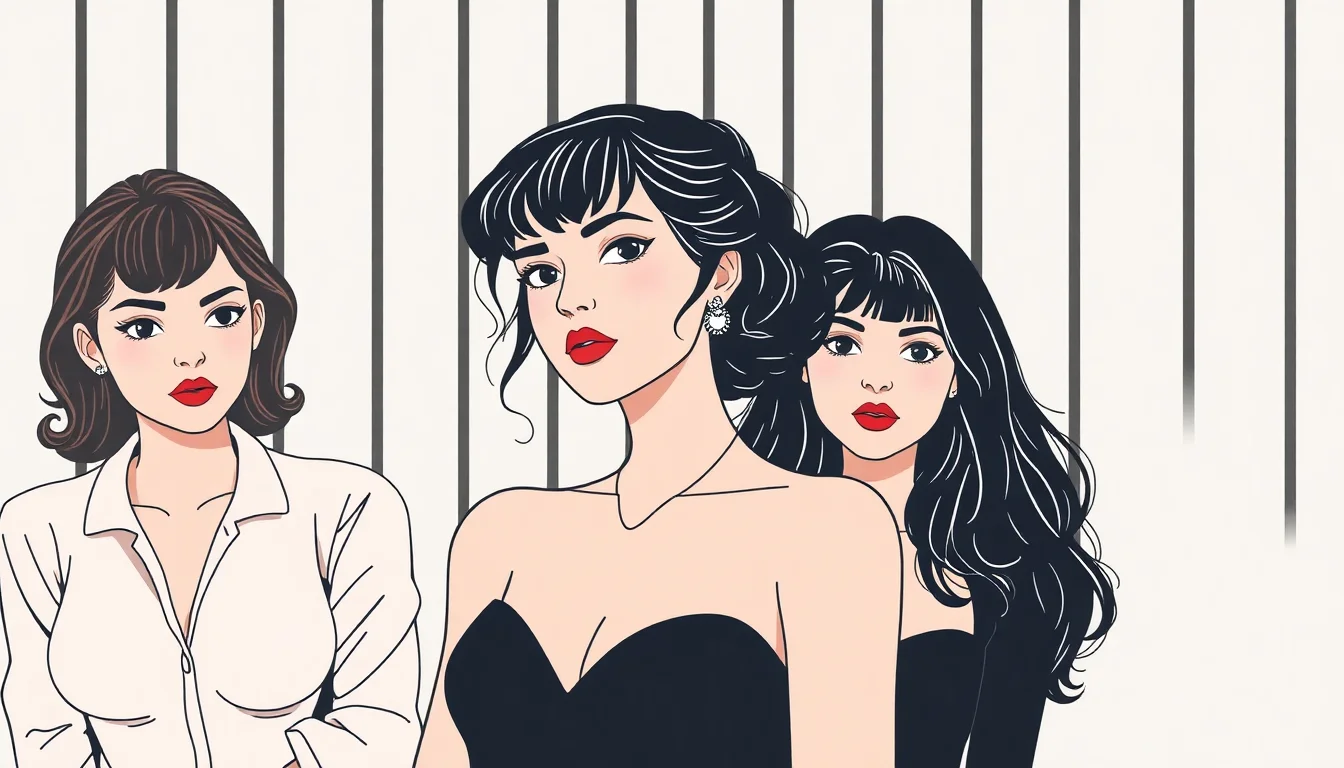
The term 'bad girl' conjures a potent archetype, historically representing women who defy societal norms and expectations. This concept gained significant traction through the British television drama Bad Girls (1999-2006), which depicted the lives of inmates and officers in a fictional women's prison, exploring themes of rebellion, resilience, and female solidarity within a patriarchal system. Later, the American reality series Bad Girls Club (2006-2017) on Oxygen translated this rebellious spirit into a more sensationalized format, focusing on the volatile interactions of seven aggressive women living together. While the former offered a critical, albeit dramatized, look at systemic oppression, the latter leaned into conflict and spectacle, showcasing a different facet of female defiance. Both iterations, however, tap into a long-standing cultural fascination with women who refuse to conform, challenging conventional notions of femininity and power.
🎵 Origins & History
The archetype of the 'bad girl' is deeply rooted in historical and literary traditions, often personifying female rebellion against restrictive social mores. The British drama Bad Girls, created by Maureen Chadwick and Ann McManus, explored themes of survival, friendship, and resistance against institutional authority. The American reality series Bad Girls Club was conceived by Jonathan Murray.
⚙️ How It Works
The 'bad girl' concept, as manifested in media, operates on distinct narrative and structural principles depending on the medium. In scripted drama like the British Bad Girls, the 'working' involves intricate character development, exploring the socio-economic and systemic factors that contribute to a character's 'badness.' These narratives often employ plotlines centered on survival, loyalty, and challenging oppressive structures, such as the prison system depicted in the show, allowing for a critical examination of power dynamics. Conversely, the reality television format of Bad Girls Club functions through manufactured conflict and interpersonal drama. The 'working' here relies on casting individuals with pre-existing volatile personalities, placing them in close proximity, and encouraging confrontations, often amplified by confessionals and dramatic editing. The rules of engagement are less about narrative arcs and more about generating immediate, often explosive, reactions, with evictions serving as the primary mechanism for narrative progression when rules are broken.
📊 Key Facts & Numbers
The cultural footprint of 'bad girls' in media is substantial. The British Bad Girls series concluded in 2006. The American Bad Girls Club concluded in 2017. The show's merchandise, including DVDs and branded apparel, generated significant revenue, estimated in the tens of millions of dollars over its run. Furthermore, the term 'bad girl' itself has permeated popular culture, appearing in countless song titles, fashion trends, and marketing campaigns, with an estimated 500+ songs and 100+ fashion lines referencing the term directly or thematically.
👥 Key People & Organizations
Key figures associated with the 'bad girl' phenomenon span creators, producers, and the cast members who embodied the archetype. For the British Bad Girls, creators Maureen Chadwick and Ann McManus were instrumental in shaping its critical and narrative depth. Key cast members included Simone Lahbib and Kika Markham. On the American Bad Girls Club, producer Jonathan Murray of Bunim/Murray Productions was the driving force behind its reality TV format. The show featured a rotating cast of memorable personalities, including Tanisha Thomas, Natalie Nunn, and Amber Monrow, whose on-screen antics and catchphrases became viral sensations, often discussed on platforms like Twitter and YouTube. The network Oxygen played a crucial role in broadcasting and popularizing the American iteration.
🌍 Cultural Impact & Influence
The cultural impact of 'bad girls' is multifaceted, influencing perceptions of femininity, rebellion, and female agency. The British Bad Girls paved the way for shows like Orange Is the New Black. The American Bad Girls Club, while often criticized for its sensationalism, tapped into a fascination with female aggression and defiance, providing a platform for women who didn't fit conventional beauty or behavior standards. It contributed to the broader landscape of reality television, popularizing archetypes of the 'diva,' the 'fighter,' and the 'drama queen,' and its cast members often leveraged their notoriety into careers in social media, music, and entrepreneurship, demonstrating a different form of 'bad girl' power in the digital age.
⚡ Current State & Latest Developments
While both the British Bad Girls and the American Bad Girls Club have concluded their runs, the 'bad girl' archetype continues to evolve in contemporary media. The legacy of the British series can be seen in current dramas that explore female solidarity and systemic injustice, while the spirit of the American show lives on in the more confrontational and personality-driven reality formats that dominate streaming platforms. Social media influencers and online personalities frequently adopt 'bad girl' personas, leveraging controversy and unfiltered expression to build large followings on platforms like TikTok and Instagram. Furthermore, the concept is frequently revisited in fashion, music, and film, indicating its persistent cultural resonance. The ongoing discussion around female empowerment and challenging traditional gender roles ensures that the 'bad girl' narrative, in its various forms, will continue to be a relevant cultural touchstone.
🤔 Controversies & Debates
The 'bad girl' concept has been a consistent source of controversy, primarily revolving around the portrayal of women and the potential impact on societal perceptions. Critics of the British Bad Girls sometimes argued that it sensationalized prison life or reinforced negative stereotypes, despite its intentions to offer a more nuanced view. The American Bad Girls Club faced far more significant backlash, frequently accused of promoting violence, misogyny, and a toxic brand of female interaction. Debates centered on whether the show celebrated or merely exploited aggressive behavior, and whether it offered genuine empowerment or simply a spectacle of conflict for ratings. The network Oxygen often found itself defending the show against accusations of glorifying violence and contributing to negative stereotypes of women, particularly women of color who were disproportionately represented in confrontational roles. The controversy spectrum for Bad Girls Club is high, often exceeding 80/100 on cultural debate metrics.
🔮 Future Outlook & Predictions
The future of the 'bad girl' archetype likely lies in its continued adaptation to new media landscapes and evolving cultural conversations around female identity. We may see a resurgence of scripted dramas that explore female rebellion with greater depth and social commentary, perhaps drawing lessons from the critical success of Bad Girls. Simultaneously, the raw, unfiltered energy of Bad Girls Club could be reinterpreted through more interactive or decentralized platforms, such as live-streaming or user-generated content on Twitch or YouTube, where creators can directly engage with audiences and build communities around their 'bad girl' personas. The archetype may also become more nuanced, blending defiance with vulnerability, or
Key Facts
- Category
- culture
- Type
- topic