
Contents
Overview
Bioluminescence is the captivating phenomenon of light production by living organisms, a result of intricate chemiluminescent reactions within cells. This natural illumination, observed across a staggering diversity of life from the ocean's deepest trenches to terrestrial forests, has evolved independently in various lineages. The core mechanism typically involves a substrate, luciferin, and an enzyme, luciferase, which catalyze an oxidation reaction to release energy as light. This biological light serves myriad purposes, from communication and camouflage to predation and defense, making it a vital, albeit often unseen, force in ecosystems worldwide. Its study bridges biology, chemistry, and even technology, inspiring innovations in fields like medicine and environmental monitoring.
🎵 Origins & History
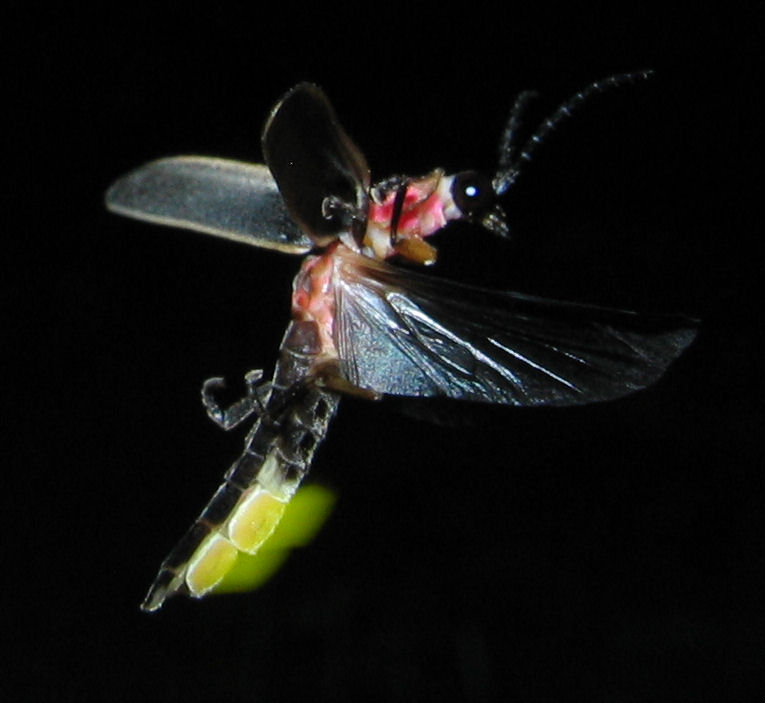
The earliest glimmerings of bioluminescence likely emerged in the Precambrian era, with definitive evidence pointing to its presence in octocorals around 540 million years ago. This ancient biological process has since radiated across the tree of life, appearing independently in various evolutionary lineages. From the ethereal glow of dinoflagellates in ocean waves to the dazzling courtship displays of fireflies, life has consistently found ways to harness chemical energy for light. Early scientific observations of these phenomena were often steeped in folklore, but by the late 19th century, researchers began to systematically unravel the underlying chemistry, isolating the key components that would later be named luciferin and luciferase.
⚙️ How It Works
At its heart, bioluminescence is a form of chemiluminescence occurring within living cells. The most common pathway involves the enzyme luciferase catalyzing the oxidation of a light-emitting substrate known as luciferin. This reaction requires oxygen and often cofactors like ATP or calcium ions, depending on the organism. The energy released from the chemical bond breaking is emitted as photons, creating visible light. In some cases, such as in certain marine bacteria like those in the genus Vibrio, the light is produced by symbiotic bacteria housed within specialized organs of the host organism, a phenomenon termed bacteriogenic bioluminescence, contrasting with autogenic light production by the organism's own cells.
📊 Key Facts & Numbers
The chemical efficiency of bioluminescence can be remarkably high, with some reactions converting nearly 100% of the chemical energy into light, a stark contrast to incandescent bulbs which lose over 90% as heat. The spectral range of bioluminescence spans from blue-green (around 470 nm) in marine environments to yellow and red in some terrestrial species.
👥 Key People & Organizations
The Woods Hole Oceanographic Institution continues to be at the forefront of deep-sea bioluminescence research.
🌍 Cultural Impact & Influence
Bioluminescence has captivated human imagination for millennia, appearing in myths, legends, and art across cultures. From the 'fairy fire' of medieval Europe to the 'sea sparkle' phenomena witnessed by sailors, its mysterious glow has inspired awe and wonder. In literature, it has been used to evoke enchantment, danger, or the uncanny, featuring in works by authors like H.G. Wells and Jules Verne. The visual spectacle of bioluminescent bays, such as those in Puerto Rico and Jamaica, draws significant tourism, highlighting its aesthetic and economic value. The iconic firefly has become a symbol of summer evenings and natural magic in many Western cultures.
⚡ Current State & Latest Developments
Current research is focused on understanding the genetic and biochemical diversity of bioluminescent systems. Scientists are actively discovering new luciferins and luciferases in previously unstudied organisms, expanding the toolkit for biotechnological applications. Advances in CRISPR-Cas9 gene editing are enabling the transfer of bioluminescent capabilities into new hosts, leading to the development of 'living lights' and novel biosensors. The exploration of deep-sea bioluminescence continues with advanced submersible technology, revealing new species and ecological interactions, such as the intricate light-based communication networks in the abyssal plains.
🤔 Controversies & Debates
One significant debate revolves around the precise evolutionary pathways and the sheer number of independent origins for bioluminescence, with some scientists questioning the exact count and the methodologies used to determine independent evolution. Ethical considerations also arise concerning the potential for genetically modified bioluminescent organisms to impact natural ecosystems, particularly if they were to escape controlled environments. Furthermore, the commercialization of bioluminescent technologies, such as genetically engineered glowing plants, raises questions about intellectual property and the potential for unintended ecological consequences.
🔮 Future Outlook & Predictions
The future of bioluminescence research promises a wave of innovative applications. We can anticipate more sophisticated biosensors for environmental monitoring, detecting pollutants or pathogens with unparalleled sensitivity. The development of self-illuminating crops or trees could reduce reliance on artificial lighting, offering sustainable urban and rural illumination. In medicine, bioluminescent markers are poised to play a larger role in disease diagnosis and drug discovery. The potential for creating novel aesthetic displays and even bioluminescent art installations also remains a vibrant area of exploration.
💡 Practical Applications
The study of bioluminescence is deeply intertwined with biochemistry, particularly the study of enzymes and oxidation-reduction reactions. Its evolutionary significance connects it to evolutionary biology and the concept of convergent evolution, where similar traits arise independently in different lineages. The visual aspects of bioluminescence also link it to aesthetics and natural phenomena. For deeper understanding, exploring the biology of fireflies, the chemistry of luciferin and luciferase, and the applications of green fluorescent protein (GFP) are essential next steps.
Key Facts
- Category
- nature
- Type
- phenomenon