
Contents
Overview
The concept of an exaggerated concern with physical appearance has roots stretching back to ancient Greece, with physicians like Galen describing conditions akin to BDD. However, the formal recognition of body dysmorphia as a distinct psychiatric entity is more recent. It was first described in detail by Italian psychiatrist Enrico Morselli in 1891, who coined the term 'dysmorphophobia.' The disorder gained further traction in the early 20th century, notably through the work of American psychiatrist Mortimer-Graves Keyes in the 1930s, who linked it to cosmetic surgery patients. The DSM-IV officially recognized BDD as a distinct diagnosis in 1994, solidifying its place in psychiatric nosology. This classification was a crucial step, moving it from a vague symptom to a recognized disorder requiring specific treatment protocols, distinguishing it from mere vanity or normal self-consciousness.
⚙️ How It Works
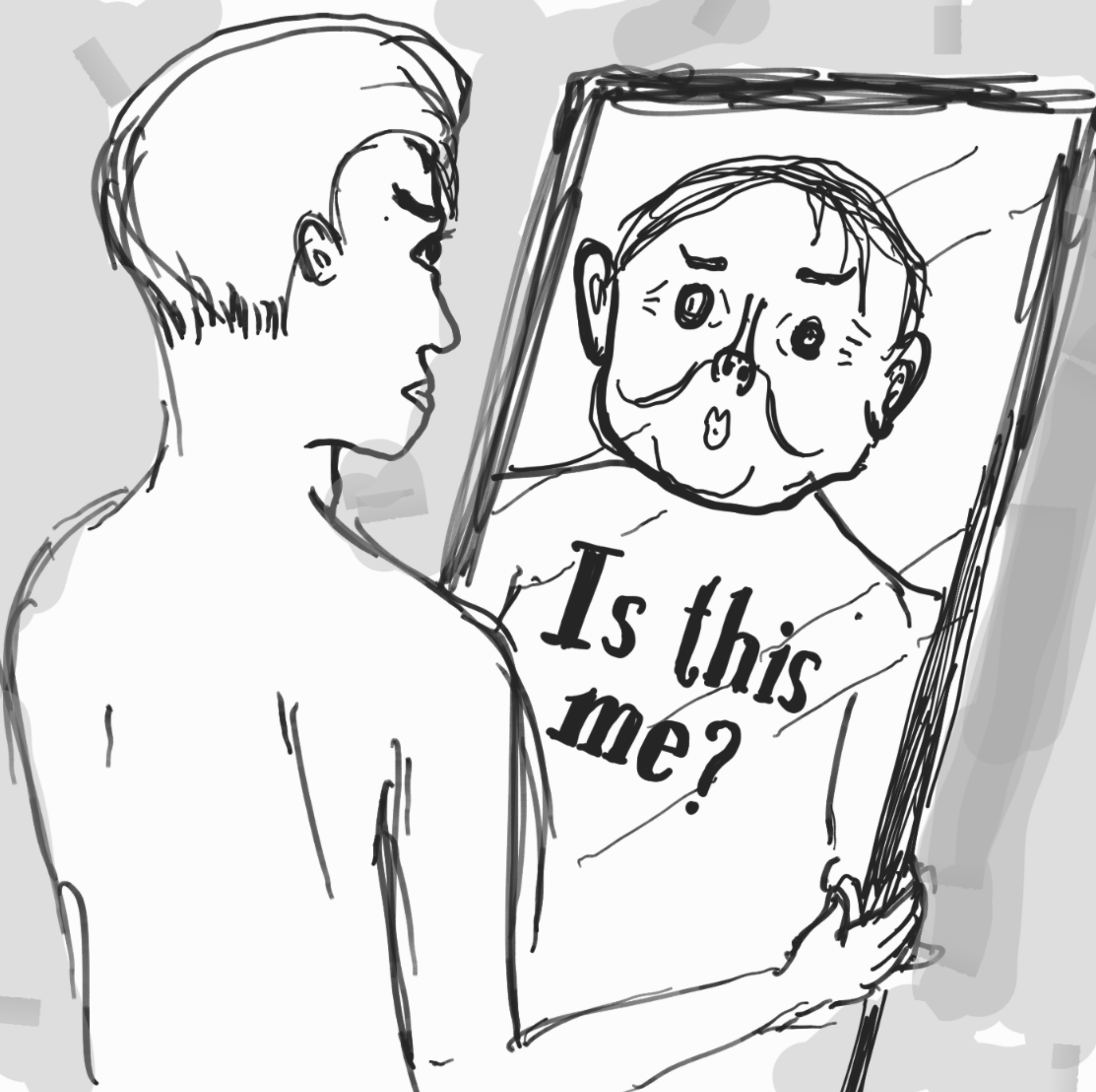
At its core, body dysmorphia involves a distorted perception of one's own body, often focusing on a specific feature like the nose, skin, hair, or musculature. Individuals with BDD experience intrusive, repetitive thoughts (obsessions) about their perceived flaw, which can lead to compulsive behaviors aimed at reducing distress or concealing the defect. These compulsions might include excessive mirror checking, grooming, skin picking, seeking reassurance, or undergoing unnecessary cosmetic procedures. The distress caused by these obsessions and compulsions is significant, often leading to avoidance of social situations, work, or school. The brain's reward pathways and areas involved in visual processing and self-perception are implicated, suggesting a complex interplay of neurological and psychological factors.
📊 Key Facts & Numbers
Body dysmorphia is more prevalent than previously understood, with estimates suggesting it affects between 1.7% and 17% of the general population. The disorder typically emerges during adolescence, with onset often occurring around ages 13-14. Studies indicate that approximately 16% of females and 11% of males experience BDD, though the subtype known as muscle dysmorphia, characterized by a preoccupation with being too small or not muscular enough, is more common among males. Individuals with BDD report spending an average of 3 to 8 hours per day preoccupied with their perceived flaws. Roughly 15% of patients seeking cosmetic surgery are estimated to have BDD, and a significant percentage of these individuals report dissatisfaction with surgical outcomes, sometimes leading to further procedures.
👥 Key People & Organizations
Key figures in understanding BDD include Enrico Morselli, who first described 'dysmorphophobia,' and Mortimer-Graves Keyes, who further elucidated the disorder in the 1930s. The American Psychiatric Association plays a crucial role through its DSM-5. Organizations like the International Body Dysmorphic Disorder Foundation (IBDD Foundation) are vital in raising awareness, providing resources, and supporting research. David Veale, a prominent psychiatrist and researcher, has significantly contributed to understanding BDD's treatment and prevalence, particularly in the UK. The National Institute of Mental Health (NIMH) also funds research into the neurobiology and treatment of BDD.
🌍 Cultural Impact & Influence
The cultural impact of body dysmorphia is profound, particularly in an era saturated with idealized images on social media platforms like Instagram and TikTok. The pervasive emphasis on physical perfection in media, advertising, and celebrity culture can exacerbate BDD symptoms and contribute to its onset, especially among adolescents. This has led to increased awareness campaigns and discussions about the dangers of unrealistic beauty standards. The rise of the body positivity movement can be seen as a cultural counterpoint, advocating for self-acceptance and challenging narrow definitions of beauty, though it sometimes faces criticism for not adequately addressing the severity of conditions like BDD. The disorder's influence is also seen in the cosmetic surgery industry, where a significant portion of patients may be seeking to correct perceived flaws related to BDD.
⚡ Current State & Latest Developments
Current research is focusing on refining diagnostic criteria, exploring the neurobiological underpinnings of BDD, and developing more effective treatment modalities. Advances in Cognitive Behavioral Therapy (CBT), particularly exposure and response prevention (ERP), remain a cornerstone of treatment. Emerging research is also investigating the role of Selective Serotonin Reuptake Inhibitors (SSRIs) and other pharmacological interventions. The increasing prevalence of social media has prompted studies into its specific impact on BDD symptomology and the development of digital interventions and awareness campaigns tailored for online environments. Efforts are also underway to improve early detection and intervention strategies, especially within school systems and primary care.
🤔 Controversies & Debates
A significant debate surrounds the precise classification of BDD within psychiatric manuals. While the DSM-5 places it within the obsessive-compulsive spectrum, some researchers argue for its inclusion under somatic symptom disorder or even as a distinct category due to its unique presentation. Another controversy involves the ethical considerations of cosmetic surgery for individuals with BDD; while some argue for a strict prohibition, others advocate for careful psychological screening and a harm-reduction approach. The extent to which social media directly causes BDD versus merely exacerbating pre-existing vulnerabilities is also a subject of ongoing discussion and research, with varying perspectives on the degree of causal influence.
🔮 Future Outlook & Predictions
The future outlook for body dysmorphia involves a greater integration of technology in diagnosis and treatment. Telehealth platforms are expected to expand access to specialized care, particularly for individuals in remote areas. Research into personalized medicine, utilizing genetic and neuroimaging data to tailor treatments, is a promising avenue. Furthermore, there's a growing emphasis on preventative strategies, including media literacy programs and early intervention initiatives in schools to foster healthier body image perceptions from a young age. The continued exploration of novel pharmacological agents and psychotherapeutic techniques, such as Acceptance and Commitment Therapy (ACT), could offer new hope for those struggling with severe BDD.
💡 Practical Applications
Practical applications for understanding body dysmorphia are crucial in clinical settings and public health initiatives. Therapists utilize CBT and ERP to help individuals manage obsessive thoughts and compulsive behaviors. Psychiatrists may prescribe SSRIs to alleviate symptoms. In cosmetic surgery, BDD screening protocols are increasingly being implemented to identify patients who may not benefit from procedures and require mental health support instead. Public awareness campaigns, often spearheaded by organizations like the IBDD Foundation, aim to educate the public and encourage individuals to seek help, reducing the stigma associated with mental health conditions.
Key Facts
- Category
- science
- Type
- topic