
Contents
Overview
The science of bread is a complex interplay of biochemistry, physics, and microbiology that transforms simple ingredients into a global staple. It delves into gluten network formation, the enzymatic breakdown of starches and proteins, and the crucial role of yeast or chemical leaveners in creating texture and flavor. From the Maillard reaction responsible for crust browning to the precise control of fermentation temperatures, understanding these scientific principles unlocks the secrets to consistently delicious and varied bread. This field bridges ancient baking traditions with modern food science, impacting everything from industrial production lines at companies like Bimbo Global to the artisanal sourdough loaves crafted by bakers in San Francisco.
🎵 Origins & History
The journey of bread science begins not with a laboratory, but with the dawn of agriculture, when humans first cultivated grains like wheat and barley. Early bread was likely unleavened, a simple flatbread cooked on hot stones, a practice still seen in cultures using injera or chapatis. The accidental discovery of fermentation, perhaps through wild yeasts present in the air or on grain husks, led to leavened bread, a monumental leap forward. The Romans further refined baking techniques, establishing bakeries and developing different types of bread, laying the groundwork for what would become a cornerstone of Western cuisine and a subject of scientific inquiry centuries later.
⚙️ How It Works
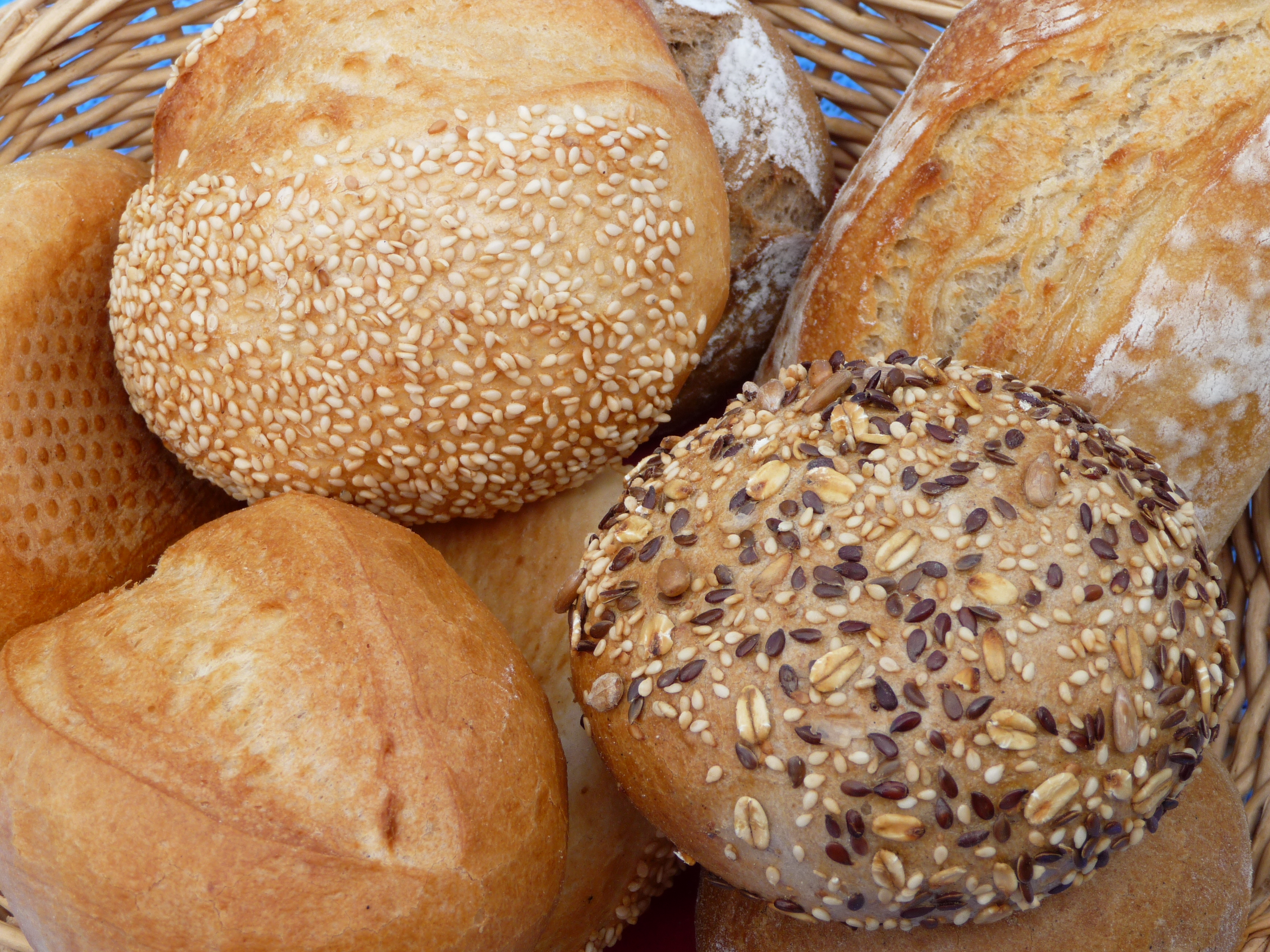
At its core, bread making is a controlled chemical and biological reaction. Flour, when hydrated and mixed, forms a viscoelastic network. This network traps gases produced during fermentation. Yeast consumes sugars in the flour, producing carbon dioxide (CO2) and ethanol through anaerobic respiration. Alternatively, chemical leaveners like baking soda and baking powder react with acids and heat to produce CO2. During baking, heat causes the trapped gases to expand, the gluten network to set, and the Maillard reaction between amino acids and reducing sugars to create the characteristic brown crust and complex flavors, while water evaporates, leading to the final crumb structure.
📊 Key Facts & Numbers
Globally, over 1 billion metric tons of wheat are produced annually, forming the basis for a significant portion of the world's bread. The global bread market was valued at approximately $500 billion USD in 2023 and is projected to grow. In the United States alone, the average person consumes around 198 pounds of bread and cereal products per year. The baking industry employs over 700,000 people in the U.S. and generates over $100 billion in annual revenue. Globally, an estimated 3.5 billion people rely on bread as a primary food source, highlighting its immense scale and economic importance.
👥 Key People & Organizations
Key figures in bread science include researchers like Dr. Jan Ingvarsson at Lund University who have pioneered studies into gluten-free baking science, while organizations like the American Institute of Baking (AIB) International and the Wheat Marketing Center in Portland, Oregon, are crucial hubs for research, education, and quality control in the baking industry. The work of bakers like Chad Robertson, founder of Tartine Bakery, and Jim Lahey, known for his no-knead bread method, has also significantly influenced modern understanding and practice of artisanal bread making.
🌍 Cultural Impact & Influence
Bread's cultural significance is profound, extending far beyond mere sustenance. It's a symbol of life, community, and prosperity across countless cultures, from the baguette in France to the pita in the Middle East. Religious rituals worldwide, such as the Christian Eucharist and Jewish matzah, imbue bread with sacred meaning. The development of bread making also spurred societal changes, enabling larger populations, facilitating trade, and even influencing urban development with the rise of communal bakeries and specialized guilds. The very concept of a 'breadwinner' underscores its foundational role in economic and social structures.
⚡ Current State & Latest Developments
Current developments in bread science are increasingly focused on health, sustainability, and novel ingredients. Researchers are exploring the microbiome of sourdough starters, identifying specific bacterial and yeast strains that contribute unique flavors and potential health benefits, a field championed by institutions like the San Francisco Sourdough Bread Company. Innovations in alternative flours, such as those derived from ancient grains, legumes, or even insects, are addressing dietary needs and environmental concerns. Furthermore, advancements in automation and AI are optimizing industrial baking processes for efficiency and consistency, while also enabling more precise control over fermentation and baking parameters at facilities like those run by Mondelez International.
🤔 Controversies & Debates
The debate around industrial vs. artisanal bread production is a persistent one. Critics of industrial bread, often produced by giants like Campbell Soup Company's baking divisions, point to the use of preservatives, refined flours, and additives that can diminish nutritional value and flavor complexity. Conversely, proponents highlight the affordability, accessibility, and consistency of mass-produced bread, arguing it's essential for feeding large populations. Another ongoing discussion revolves around the health implications of gluten, leading to the burgeoning market for gluten-free alternatives, which present their own scientific challenges in replicating the texture and structure of traditional wheat bread.
🔮 Future Outlook & Predictions
The future of bread science likely lies at the intersection of biotechnology, personalized nutrition, and advanced manufacturing. We may see the development of 'designer' yeasts and bacteria tailored for specific flavor profiles or health benefits, potentially engineered by companies like Ginkgo Bioworks. Precision fermentation could allow for the creation of bread with optimized nutrient profiles or reduced allergenicity. Furthermore, 3D printing of bread, while still nascent, could revolutionize customization and on-demand production, allowing consumers to design their own bread with specific textures and ingredients, potentially impacting the business models of traditional bakeries and large food conglomerates alike.
💡 Practical Applications
The practical applications of bread science are vast, underpinning the entire baking industry. Understanding gluten development is crucial for achieving the desired chewiness in pizza dough or the airy crumb of a baguette. Knowledge of enzymatic activity guides bakers in controlling dough hydration and fermentation times, preventing issues like dough stickiness or a sour taste. The science of heat transfer in ovens dictates crust formation and internal cooking, ensuring a safe and palatable product. These principles are applied daily in home kitchens, professional bakeries like Bourke Street Bakery, and large-scale food manufacturing plants operated by companies such as General Mills.
Key Facts
- Category
- science
- Type
- concept