
Contents
Overview
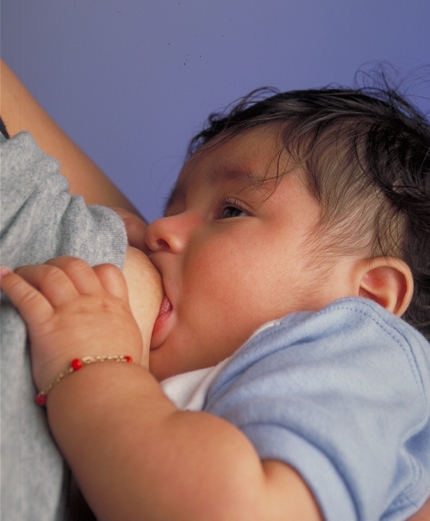
Breastfeeding offers numerous benefits to both infants and mothers. The World Health Organization and UNICEF have been instrumental in promoting breastfeeding awareness and support. Breastfeeding can lower the risk of respiratory tract infections, diarrhea, and other illnesses. It can also improve cognitive development, with breastfed infants scoring higher on intelligence tests. Additionally, breastfeeding can help mothers lose weight after pregnancy and reduce the risk of breast and ovarian cancer. The La Leche League provides education and resources to mothers, supporting them in their breastfeeding journey.
Origins & History
Breastfeeding has been a cornerstone of infant care for centuries, with evidence of its benefits dating back to ancient civilizations. The practice of breastfeeding has evolved over time, with various cultures and societies adopting different approaches to nursing. In recent years, the importance of breastfeeding has been reaffirmed by health organizations, including the World Health Organization and UNICEF. These organizations have been instrumental in promoting breastfeeding awareness and support, particularly in low- and middle-income countries where access to healthcare and nutrition may be limited.
How It Works
The process of breastfeeding involves the production of breast milk, which is rich in nutrients and antibodies that help protect infants from infections and diseases. Breast milk contains a unique combination of proteins, fats, and carbohydrates that are easily digested by infants, making it an ideal source of nutrition. The act of breastfeeding also stimulates the release of hormones that help mothers bond with their infants, promoting emotional development and attachment. Furthermore, breastfeeding has been shown to lower the risk of respiratory tract infections and diarrhea.
Key Facts & Numbers
The benefits of breastfeeding are numerous and well-documented. Breastfeeding can improve cognitive development, with breastfed infants scoring higher on intelligence tests. Additionally, breastfeeding can help mothers lose weight after pregnancy and reduce the risk of breast and ovarian cancer. The La Leche League provides education and resources to mothers, supporting them in their breastfeeding journey.
Key People & Organizations
Key people and organizations have played a crucial role in promoting breastfeeding awareness and support. The World Health Organization and UNICEF have been instrumental in developing guidelines and programs to support breastfeeding, while organizations like the La Leche League have provided education and resources to mothers. Additionally, healthcare professionals have been essential in providing guidance and support to mothers.
Cultural Impact & Influence
Breastfeeding has a significant cultural impact and influence, with different societies and cultures adopting unique approaches to nursing. In some cultures, breastfeeding is seen as a natural and essential part of motherhood, while in others it may be stigmatized or discouraged. The cultural significance of breastfeeding can also be seen in the way it is portrayed in media and popular culture, with breastfeeding often being depicted as a symbol of maternal love and devotion. However, there are also challenges and controversies surrounding breastfeeding, particularly in public spaces.
Current State & Latest Developments
The current state of breastfeeding is characterized by a growing recognition of its importance, with many countries and organizations working to promote breastfeeding awareness and support. Despite this, there are still significant challenges to overcome, including lack of access to healthcare and nutrition, as well as cultural and social barriers to breastfeeding. Recent developments, such as the introduction of breastfeeding-friendly policies and programs, have helped to increase breastfeeding rates and improve maternal and child health outcomes.
Controversies & Debates
Breastfeeding is not without controversy, with some critics arguing that it can be difficult or impossible for some mothers to breastfeed. Additionally, there are concerns about the impact of breastfeeding on maternal employment and economic development, as well as the potential for breastfeeding to be used as a tool for social control or oppression. However, these concerns can be addressed through education, support, and policy changes that promote breastfeeding-friendly environments and practices.
Future Outlook & Predictions
The future outlook for breastfeeding is promising, with many experts predicting an increase in breastfeeding rates and a growing recognition of its importance. As more countries and organizations work to promote breastfeeding awareness and support, it is likely that breastfeeding will become more widely accepted and practiced. Additionally, advances in technology and healthcare are likely to improve breastfeeding outcomes and make it easier for mothers to breastfeed.
Practical Applications
Breastfeeding has numerous practical applications, from improving infant health outcomes to supporting maternal well-being. Breastfeeding can also be used as a tool for economic development, with breastfeeding-friendly policies and programs helping to support mothers and families.
Key Facts
- Category
- health
- Type
- topic