
Contents
- 📈 Introduction to Business Continuity Plans
- 🔍 Understanding the Importance of Business Continuity
- 📊 Developing a Comprehensive Business Continuity Plan
- 🌪️ Identifying and Assessing Potential Risks
- 🚨 Implementing and Testing the Plan
- 📈 Maintaining and Reviewing the Plan
- 🤝 Stakeholder Engagement and Communication
- 🌐 Global Best Practices and Standards
- 📊 Measuring the Effectiveness of Business Continuity Plans
- 🔮 Future of Business Continuity Planning
- 📚 Case Studies and Examples
- 👥 Conclusion and Recommendations
- Frequently Asked Questions
- Related Topics
Overview
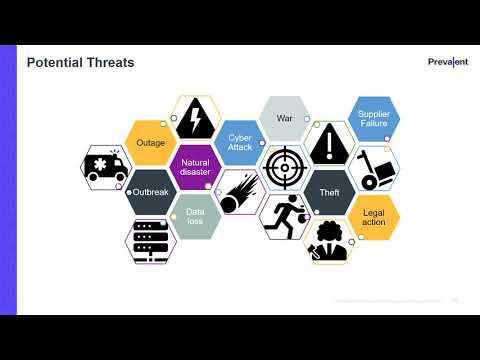
Business continuity plans (BCPs) are comprehensive strategies that enable organizations to respond to and recover from disruptions, such as natural disasters, cyber attacks, or global pandemics. According to a study by the Business Continuity Institute, 71% of organizations have experienced at least one disruption in the past year, resulting in significant financial losses. A well-crafted BCP can mitigate these risks by identifying critical business processes, assessing potential threats, and developing procedures for emergency response, backup operations, and post-disaster recovery. For instance, IBM's BCP has been instrumental in minimizing downtime and ensuring customer satisfaction during major disruptions. The development of BCPs involves a multidisciplinary approach, requiring input from various stakeholders, including IT, finance, and human resources. As the business landscape continues to evolve, the importance of BCPs will only continue to grow, with 90% of organizations expecting to increase their investment in business continuity management over the next two years.
📈 Introduction to Business Continuity Plans
Business continuity plans (BCPs) are essential for organizations to ensure their survival and resilience in the face of disruptions, such as natural disasters, cyber attacks, or economic downturns. A well-developed BCP enables companies to quickly respond to and recover from crises, minimizing the impact on their operations, customers, and reputation. According to Business Continuity Management experts, a BCP should be tailored to the specific needs and risks of an organization. The ISO 22301 standard provides a framework for developing and implementing a BCP. By having a BCP in place, organizations can reduce the risk of Supply Chain Disruptions and ensure Business Resilience.
🔍 Understanding the Importance of Business Continuity
The importance of business continuity planning cannot be overstated. In today's complex and interconnected business environment, organizations face a wide range of threats that can impact their ability to operate. A BCP helps to identify and mitigate these risks, ensuring that the organization can continue to deliver its products and services to customers. The Business Impact Analysis (BIA) is a critical component of a BCP, as it helps to identify the most critical business processes and assets. By conducting a BIA, organizations can prioritize their recovery efforts and ensure that they are focusing on the most critical areas. The Disaster Recovery plan is also an essential part of a BCP, as it provides a detailed plan for recovering from a disaster or major disruption.
📊 Developing a Comprehensive Business Continuity Plan
Developing a comprehensive business continuity plan requires a thorough understanding of the organization's operations, risks, and dependencies. The plan should include a detailed analysis of the organization's Risks and Threats, as well as a plan for mitigating and responding to them. The Business Continuity Team should be established to oversee the development and implementation of the BCP. The team should include representatives from various departments, such as IT, finance, and operations. The Incident Response plan should also be developed to provide a quick and effective response to incidents. By having a comprehensive BCP in place, organizations can ensure that they are prepared to respond to and recover from disruptions.
🌪️ Identifying and Assessing Potential Risks
Identifying and assessing potential risks is a critical component of a business continuity plan. Organizations should conduct a thorough Risk Assessment to identify potential threats and vulnerabilities. The Threat and Vulnerability Assessment should be conducted to identify potential threats and vulnerabilities. The Risk Mitigation strategies should be developed to mitigate the identified risks. By identifying and assessing potential risks, organizations can develop strategies to mitigate and respond to them. The Business Continuity Planning process should be ongoing, with regular reviews and updates to ensure that the plan remains effective.
🚨 Implementing and Testing the Plan
Implementing and testing the business continuity plan is critical to ensuring its effectiveness. The Plan Implementation should be done in a phased manner, with regular reviews and updates. The Plan Testing should be conducted to ensure that the plan is effective and that the organization is prepared to respond to disruptions. The Training and Awareness program should be developed to ensure that all employees understand their roles and responsibilities in the event of a disruption. By implementing and testing the plan, organizations can ensure that they are prepared to respond to and recover from disruptions. The Crisis Management plan should also be developed to provide a framework for managing a crisis.
📈 Maintaining and Reviewing the Plan
Maintaining and reviewing the business continuity plan is essential to ensuring its continued effectiveness. The Plan Review should be conducted regularly to ensure that the plan remains relevant and effective. The Plan Update should be done to reflect changes in the organization's operations, risks, and dependencies. The Business Continuity Audit should be conducted to ensure that the plan is being implemented and that the organization is prepared to respond to disruptions. By maintaining and reviewing the plan, organizations can ensure that they are prepared to respond to and recover from disruptions. The Compliance and Regulatory Requirements should also be considered when developing and implementing a BCP.
🤝 Stakeholder Engagement and Communication
Stakeholder engagement and communication are critical components of a business continuity plan. The Stakeholder Identification should be done to identify all stakeholders who may be impacted by a disruption. The Stakeholder Communication plan should be developed to ensure that all stakeholders are informed and aware of the plan. The Crisis Communication plan should also be developed to provide a framework for communicating with stakeholders during a crisis. By engaging with stakeholders and communicating the plan, organizations can ensure that all stakeholders are prepared to respond to and recover from disruptions. The Reputation Management should also be considered when developing and implementing a BCP.
🌐 Global Best Practices and Standards
Global best practices and standards for business continuity planning provide a framework for developing and implementing a BCP. The ISO 22301 Standard provides a framework for developing and implementing a BCP. The Business Continuity Institute provides guidance and resources for developing and implementing a BCP. By following global best practices and standards, organizations can ensure that their BCP is effective and that they are prepared to respond to and recover from disruptions. The Disaster Recovery as a Service should also be considered when developing and implementing a BCP.
📊 Measuring the Effectiveness of Business Continuity Plans
Measuring the effectiveness of a business continuity plan is essential to ensuring its continued effectiveness. The Plan Effectiveness should be measured to ensure that the plan is effective and that the organization is prepared to respond to and recover from disruptions. The Key Performance Indicators (KPIs) should be developed to measure the effectiveness of the plan. The Return on Investment (ROI) should also be considered when measuring the effectiveness of a BCP. By measuring the effectiveness of the plan, organizations can identify areas for improvement and ensure that they are prepared to respond to and recover from disruptions.
🔮 Future of Business Continuity Planning
The future of business continuity planning will be shaped by emerging trends and technologies. The Cloud Computing and Artificial Intelligence will play a critical role in the development and implementation of BCPs. The Internet of Things (IoT) will also impact the development and implementation of BCPs. By embracing emerging trends and technologies, organizations can ensure that their BCP is effective and that they are prepared to respond to and recover from disruptions. The Cybersecurity should also be considered when developing and implementing a BCP.
📚 Case Studies and Examples
Case studies and examples of business continuity planning provide valuable insights and lessons learned. The Case Study of a company that has implemented a BCP can provide valuable insights into the development and implementation of a BCP. The Best Practice of a company that has implemented a BCP can provide valuable insights into the development and implementation of a BCP. By studying case studies and examples, organizations can learn from the experiences of others and develop a more effective BCP. The Business Continuity Planning Template should also be considered when developing and implementing a BCP.
👥 Conclusion and Recommendations
In conclusion, business continuity planning is essential for organizations to ensure their survival and resilience in the face of disruptions. By developing a comprehensive BCP, organizations can reduce the risk of disruptions and ensure that they are prepared to respond to and recover from crises. The Business Continuity Plan Template should be used to develop a BCP. By following the guidelines and best practices outlined in this article, organizations can develop a more effective BCP and ensure their continued success and resilience.
Key Facts
- Year
- 2022
- Origin
- Vibepedia
- Category
- Business Operations
- Type
- Concept
Frequently Asked Questions
What is a business continuity plan?
A business continuity plan (BCP) is a document that outlines the procedures and strategies for responding to and recovering from disruptions, such as natural disasters, cyber attacks, or economic downturns. The plan is designed to ensure that the organization can continue to operate and deliver its products and services to customers, even in the face of disruptions. A BCP should include a detailed analysis of the organization's risks and dependencies, as well as a plan for mitigating and responding to them. The Business Continuity Plan Template can be used to develop a BCP.
Why is business continuity planning important?
Business continuity planning is important because it helps organizations to reduce the risk of disruptions and ensure that they are prepared to respond to and recover from crises. A BCP can help to minimize the impact of disruptions on the organization's operations, customers, and reputation. By having a BCP in place, organizations can ensure that they are resilient and can continue to operate, even in the face of disruptions. The Business Impact Analysis (BIA) is a critical component of a BCP, as it helps to identify the most critical business processes and assets.
What are the key components of a business continuity plan?
The key components of a business continuity plan include a detailed analysis of the organization's risks and dependencies, a plan for mitigating and responding to disruptions, and a plan for recovering from disruptions. The plan should also include a detailed analysis of the organization's Business Continuity Team and Incident Response plan. The Disaster Recovery plan is also an essential part of a BCP, as it provides a detailed plan for recovering from a disaster or major disruption.
How often should a business continuity plan be reviewed and updated?
A business continuity plan should be reviewed and updated regularly, at least annually, to ensure that it remains effective and relevant. The plan should be updated to reflect changes in the organization's operations, risks, and dependencies. The Plan Review should be conducted to ensure that the plan remains relevant and effective. The Plan Update should be done to reflect changes in the organization's operations, risks, and dependencies.
What are the benefits of having a business continuity plan?
The benefits of having a business continuity plan include reducing the risk of disruptions, minimizing the impact of disruptions on the organization's operations, customers, and reputation, and ensuring that the organization is resilient and can continue to operate, even in the face of disruptions. The Business Continuity Planning process can also help to identify and mitigate risks, and to improve the organization's overall Business Resilience.
How can organizations ensure that their business continuity plan is effective?
Organizations can ensure that their business continuity plan is effective by regularly reviewing and updating the plan, conducting regular Plan Testing and Training and Awareness programs, and ensuring that all employees understand their roles and responsibilities in the event of a disruption. The Key Performance Indicators (KPIs) should be developed to measure the effectiveness of the plan. The Return on Investment (ROI) should also be considered when measuring the effectiveness of a BCP.
What are the common mistakes that organizations make when developing a business continuity plan?
Common mistakes that organizations make when developing a business continuity plan include failing to regularly review and update the plan, failing to conduct regular testing and training, and failing to ensure that all employees understand their roles and responsibilities in the event of a disruption. The Business Continuity Plan Template can be used to develop a BCP. By avoiding these common mistakes, organizations can ensure that their BCP is effective and that they are prepared to respond to and recover from disruptions.