
Contents
Overview
Cat health concerns encompass a wide spectrum of conditions affecting domestic felines, ranging from ubiquitous issues like fleas and dental disease to more serious systemic illnesses such as chronic kidney disease and hyperthyroidism. Understanding these potential health problems is crucial for cat owners to ensure their pets lead long, comfortable lives. Factors like age, breed, lifestyle (indoor vs. outdoor), diet, and preventative care significantly influence a cat's susceptibility to illness. Regular veterinary check-ups, vaccinations, and prompt attention to behavioral changes are key to early detection and effective management of most feline health issues. The global cat population faces a variety of health challenges, with common infections, parasitic infestations, and age-related degenerative diseases being particularly prevalent.
🎵 Origins & History
The understanding of feline health has evolved dramatically since cats were first domesticated. Early records of cat ailments are scarce, but historical texts from various cultures, including ancient Greece and Rome, mention common issues like skin parasites and digestive upset. The formalization of veterinary medicine in the 19th century began to bring scientific rigor to animal health. The early 20th century saw the development of vaccines and antibiotics, which revolutionized the treatment of infectious diseases in cats, much like in humans. The rise of specialized feline medicine, championed by organizations like the American Association of Feline Practitioners, has further refined our approach to cat health concerns over the past few decades.
⚙️ How It Works
Feline health is a complex interplay of genetics, environment, and lifestyle. A cat's immune system, a sophisticated network of cells and organs, defends against pathogens like viruses and bacteria. When this system is compromised, or when a pathogen overwhelms it, illness can occur. Nutritional status is also critical; a balanced diet provides essential vitamins, minerals, and proteins necessary for cellular repair, immune function, and overall vitality. Environmental factors, such as exposure to toxins, stress, and infectious agents, can also trigger or exacerbate health problems. For instance, the Feline Immunodeficiency Virus (FIV) weakens a cat's immune system, making them susceptible to secondary infections. Similarly, poor dental hygiene can lead to systemic inflammation affecting organs like the heart and kidneys.
📊 Key Facts & Numbers
Parasitic infections, such as fleas and ticks, are a concern for domestic cats. Dental disease is remarkably common, with a high percentage of cats over the age of 10 exhibiting some form of dental pathology. Chronic kidney disease (CKD) is a leading cause of mortality in senior cats. Hyperthyroidism, another common endocrine disorder in older cats, reportedly impacts around 5-10% of the feline population. The prevalence of obesity in cats is also a significant concern, contributing to conditions like diabetes and arthritis.
👥 Key People & Organizations
Key figures in feline health include Dr. Jean Holliday, a pioneer in feline internal medicine and a co-founder of the American Association of Feline Practitioners (AAFP). Organizations like the World Small Animal Veterinary Association (WSAVA) and the Cat Fanciers' Association (CFA) play vital roles in setting standards for feline care, research, and breed health. Pharmaceutical companies such as Zoetis and Merck Animal Health are major contributors to the development of veterinary pharmaceuticals, including vaccines and treatments for common feline diseases. The Cornell University College of Veterinary Medicine and the University of California, Davis School of Veterinary Medicine are leading research institutions in feline health.
🌍 Cultural Impact & Influence
Concerns about cat health have deeply influenced human-animal bonding and the pet care industry. The widespread availability of specialized cat foods, advanced veterinary diagnostics like MRI and CT scans, and sophisticated treatments have elevated the status of cats from mere companions to cherished family members. Media portrayals, from documentaries on feline diseases to viral internet sensations featuring healthy and sometimes ailing cats, shape public perception and drive demand for better care. The rise of breed-specific health advocacy groups, such as those focused on Persian or Siamese cat health, highlights a growing awareness of genetic predispositions and a desire for targeted interventions. This cultural shift has fostered a proactive approach to pet ownership, prioritizing preventative care and longevity.
⚡ Current State & Latest Developments
The current landscape of cat health is marked by advancements in diagnostics and therapeutics. Telemedicine for pets, accelerated by the COVID-19 pandemic, is becoming more prevalent, allowing remote consultations for initial assessments and follow-ups. Novel treatments for conditions like CKD, including new medications and specialized diets, are continually being developed. Research into feline cancer, particularly lymphoma and squamous cell carcinoma, is yielding more targeted therapies. Furthermore, there's a growing emphasis on feline behavior and mental well-being, with increasing recognition of stress-related illnesses and the importance of environmental enrichment. The development of more accurate genetic testing for breed-specific conditions, such as polycystic kidney disease in Persians, is also a significant ongoing trend.
🤔 Controversies & Debates
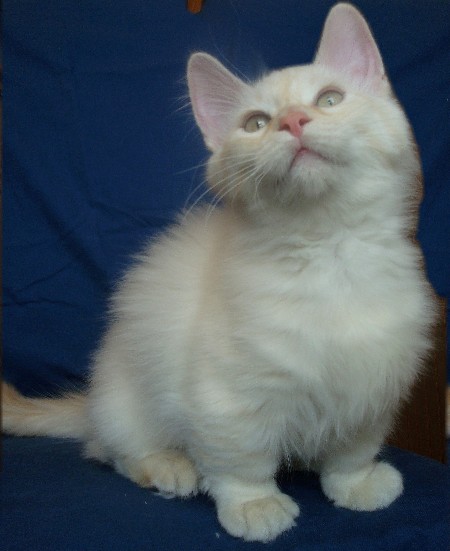
A significant controversy surrounds the breeding of certain cat breeds for specific physical traits that can compromise health. The Munchkin cat, for instance, is bred for its short legs due to a genetic mutation, leading to concerns about mobility issues and potential spinal problems, as noted by organizations like the Fédération Internationale Féline (FIFe). Similarly, breeds with extreme facial conformations, like some Persian cats, can suffer from brachycephalic obstructive airway syndrome, eye problems, and dental malocclusions. Ethical debates persist regarding the extent to which breeders should prioritize aesthetics over the inherent health and welfare of the animals. The use of stem cell therapy in veterinary medicine also raises questions about efficacy, cost, and regulation.
🔮 Future Outlook & Predictions
The future of cat health is likely to be shaped by personalized medicine and advanced preventative strategies. Genomic sequencing will enable more precise identification of genetic predispositions, allowing for earlier interventions and tailored breeding programs. The development of more effective vaccines, potentially including those for diseases like FIV and Feline Infectious Peritonitis (FIP), remains a key research goal. Advances in regenerative medicine and immunotherapy hold promise for treating chronic diseases and cancers more effectively. Furthermore, the integration of wearable technology for monitoring feline vital signs and activity levels could revolutionize early disease detection. Increased focus on feline-specific microbiome research may also lead to novel dietary and probiotic interventions for digestive and immune health.
💡 Practical Applications
Understanding cat health concerns has direct practical applications for owners, veterinarians, and breeders. For owners, it means recognizing signs of illness, providing appropriate nutrition and grooming, and adhering to vaccination schedules recommended by the American Veterinary Medical Association (AVMA). For veterinarians, it informs diagnostic approaches, treatment plans, and client education. Breeders use this knowledge to select healthy breeding stock and avoid passing on known genetic defects, adhering to guidelines from organizations like the Cat Fanciers' Association. The development of pet insurance policies is another practical application, helping owners manage the financial burden of unexpected veterinary costs. Public health initiatives also benefit, as zoonotic diseases, though rare, can be transmitted from cats to humans.
Key Facts
- Category
- nature
- Type
- topic