
Contents
- 🎵 Origins & History
- ⚙️ How It Works
- 📊 Key Facts & Numbers
- 👥 Key People & Organizations
- 🌍 Cultural Impact & Influence
- ⚡ Current State & Latest Developments
- 🤔 Controversies & Debates
- 🔮 Future Outlook & Predictions
- 💡 Practical Applications
- 📚 Related Topics & Deeper Reading
- Frequently Asked Questions
- References
- Related Topics
Overview
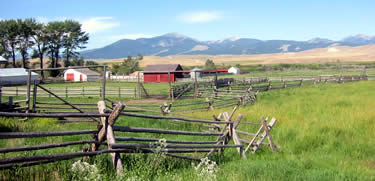
Cattle farming, also known as ranching, is the practice of raising grazing livestock such as cattle and sheep. It is a subtype of farm and a method used to raise less common livestock such as horses, elk, American bison, ostrich, emu, and alpaca. Cattle farming has a significant cultural impact, with many communities relying on the industry for their livelihoods. The industry is also a source of traditional foods, such as beef and dairy products. With the increasing demand for meat and dairy products, cattle farming is expected to continue to play a vital role in the global food system. However, the industry also faces challenges. As the industry continues to evolve, it is essential to address these challenges and ensure that cattle farming is beneficial to both people and the planet.
🎵 Origins & History
Cattle farming involves a range of activities, from breeding and calving to feeding and marketing. Farmers use various techniques to manage their herds, including rotational grazing, feed supplementation, and veterinary care.
⚙️ How It Works
The industry is also supported by a range of organizations, including the National Cattlemen's Beef Association and the US Department of Agriculture. These organizations provide resources, research, and advocacy for cattle farmers, helping them to improve their practices and stay competitive in the market.
📊 Key Facts & Numbers
Cattle farming has a significant cultural impact, with many communities relying on the industry for their livelihoods. The industry is also a source of traditional foods, such as beef and dairy products.
👥 Key People & Organizations
The industry has been criticized for its impact on the environment and animal welfare. For example, the PETA organization has campaigned against the industry's treatment of animals, highlighting issues such as factory farming and animal cruelty.
🌍 Cultural Impact & Influence
The current state of the cattle farming industry is one of change and evolution. The industry is facing challenges, and many farmers and ranchers are adopting new techniques to address these challenges.
⚡ Current State & Latest Developments
The cattle farming industry is not without its controversies and debates. Some of the key issues include animal welfare and environmental impact.
🤔 Controversies & Debates
The future outlook for the cattle farming industry is uncertain. Some of the key trends and predictions include the need for more sustainable and responsible practices.
🔮 Future Outlook & Predictions
Cattle farming has a range of practical applications, from food production to ecosystem management. The industry provides a source of income for many communities, and is also a source of traditional foods and cultural practices.
💡 Practical Applications
Related topics to cattle farming include agriculture, animal husbandry, and environmental conservation. The industry is also connected to other topics, such as food security and rural development.
Key Facts
- Year
- 2022
- Origin
- Global
- Category
- nature
- Type
- concept
Frequently Asked Questions
What is cattle farming?
Cattle farming is the practice of raising grazing livestock such as cattle and sheep. It is a subtype of farm and a method used to raise less common livestock such as horses, elk, American bison, ostrich, emu, and alpaca.
What are the challenges facing the cattle farming industry?
The industry faces challenges, including animal welfare and environmental impact.
What is the future outlook for the cattle farming industry?
The future outlook for the cattle farming industry is uncertain. Some of the key trends and predictions include the need for more sustainable and responsible practices.