
Contents
- 🌶️ The Fiery Heart of Global Cuisine
- 🔥 Understanding the Heat: Capsaicin and Scoville
- 🌍 A World of Flavor: Varieties and Their Origins
- 🔪 From Farm to Table: Cultivation and Harvesting
- 💡 Beyond Spice: Culinary and Medicinal Uses
- ⚖️ The Great Debate: Heat vs. Flavor
- 📈 The Future of Fire: Innovation and Trends
- ⭐ Vibepedia's Chili Pepper Vibe Score
- Frequently Asked Questions
- Related Topics
Overview
From the ancient volcanic soils of the Americas to the bustling markets of Southeast Asia, the chili pepper (Capsicum genus) is far more than a mere spice. It's a cultural unifier, a historical driver of trade, and a potent source of physiological sensation. Its journey across continents, spurred by explorers like Columbus, has fundamentally reshaped global palates, introducing heat and complex flavor profiles that define countless national dishes. Beyond taste, the active compound capsaicin offers a spectrum of effects, from culinary thrill to potential therapeutic benefits, making the chili pepper a subject of ongoing scientific and gastronomic fascination. Understanding its diverse varietals, cultivation, and cultural impact is key to appreciating its pervasive influence.
🌶️ The Fiery Heart of Global Cuisine
Chili peppers, scientifically classified under the genus Capsicum within the Solanaceae family, are far more than just a culinary ingredient; they are a global phenomenon. These vibrant berries, cultivated for their characteristic pungency, form the backbone of countless cuisines worldwide, from the fiery curries of India to the zesty salsas of Mexico. Their ability to deliver a spectrum of heat and nuanced flavors makes them indispensable. Understanding the chili pepper means appreciating its botanical roots, its chemical drivers of heat, and its profound cultural impact across continents.
🔥 Understanding the Heat: Capsaicin and Scoville
The signature 'heat' of chili peppers is primarily attributed to compounds known as capsaicinoids, with capsaicin being the most abundant. These compounds interact with TRPV1 receptors in our bodies, triggering the sensation of burning. The intensity of this heat is famously measured on the Scoville scale, developed by pharmacist Wilbur Scoville in 1912. This scale quantifies pungency in Scoville Heat Units (SHU), ranging from zero for bell peppers to over 2 million SHU for the Carolina Reaper, offering a standardized way to compare the fiery potential of different varieties.
🌍 A World of Flavor: Varieties and Their Origins
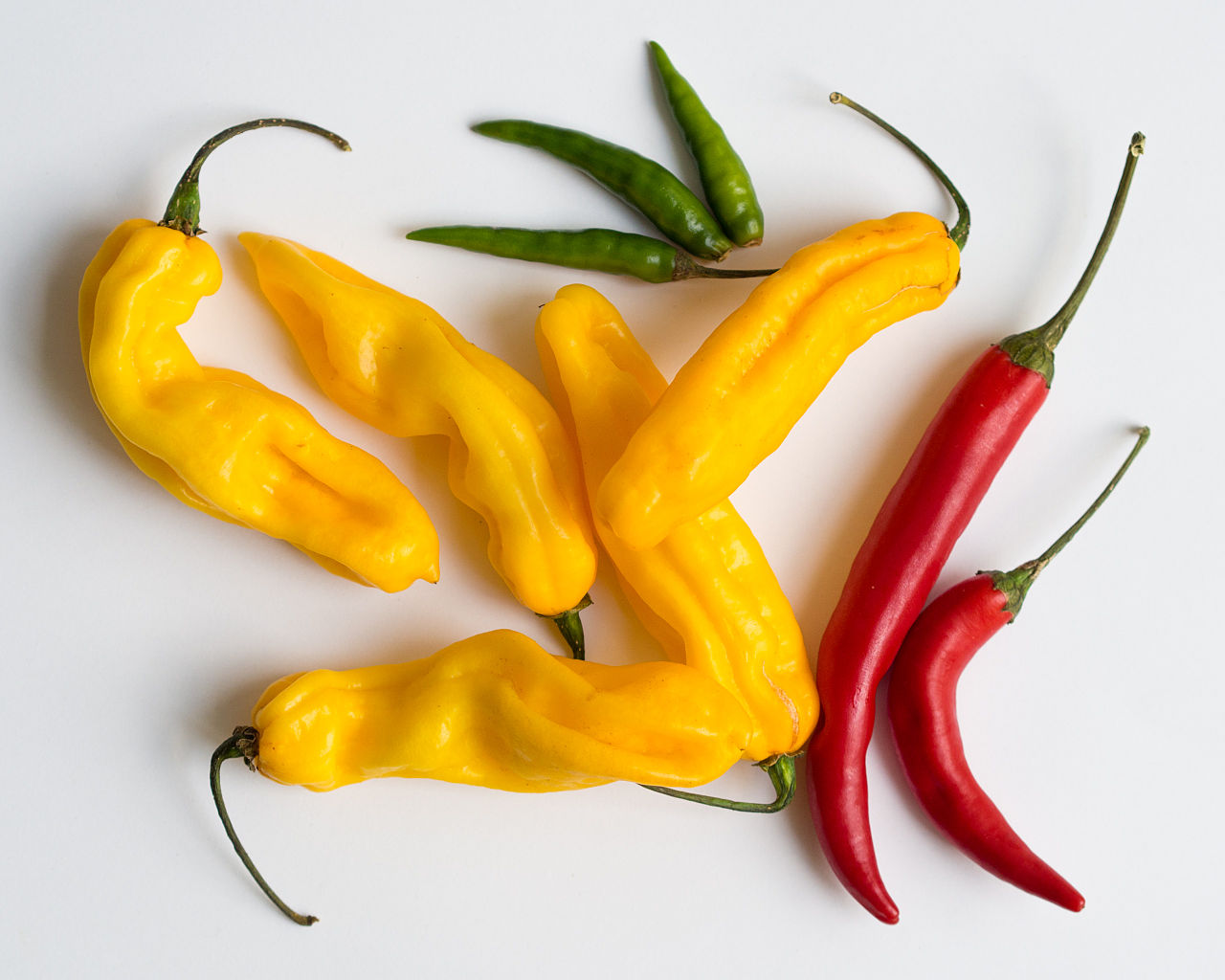
The diversity within the Capsicum genus is staggering, with thousands of cultivars offering a kaleidoscope of flavors, colors, and heat levels. Key species include Capsicum annuum (jalapeños, bell peppers, cayenne), Capsicum frutescens (tabasco, bird's eye), Capsicum chinense (habanero, Scotch bonnet, ghost pepper), Capsicum baccatum (aji peppers), and Capsicum pubescens (rocoto). Each species, and indeed each variety, boasts a unique flavor profile, from fruity and floral notes to smoky and earthy undertones, making the exploration of chili peppers a lifelong culinary adventure.
🔪 From Farm to Table: Cultivation and Harvesting
The journey of a chili pepper from seed to spice rack is a testament to human ingenuity and agricultural adaptation. Cultivation spans diverse climates, with regions like Mexico, India, China, and Thailand being major global producers. Harvesting methods vary; some peppers are picked green for a sharper, less mature flavor, while others are allowed to ripen to their full color and heat potential. Drying, smoking, and grinding are common post-harvest processes that transform fresh peppers into the powders and flakes that grace kitchens worldwide.
💡 Beyond Spice: Culinary and Medicinal Uses
Beyond their role as a palate-igniter, chili peppers possess a rich history of medicinal and practical applications. Indigenous cultures have long utilized them for their perceived health benefits, including pain relief and improved circulation. Modern research continues to explore the potential of capsaicinoids for therapeutic purposes, such as in topical analgesics and even in cancer research. Their vibrant colors also lend themselves to natural dyes, further underscoring their multifaceted utility.
⚖️ The Great Debate: Heat vs. Flavor
A central tension in the chili pepper world revolves around the eternal debate: is it the sheer heat or the subtle flavor that truly defines a pepper's worth? Purists argue that overwhelming heat, often associated with superhot varieties, can mask the delicate nuances of a dish. Others champion the thrill of extreme pungency, seeking out the most intense sensory experiences. This dichotomy fuels the development of new varieties and influences how chefs and home cooks integrate peppers into their creations.
📈 The Future of Fire: Innovation and Trends
The future of chili peppers is a dynamic space, driven by consumer demand for novel flavors, increasing heat levels, and sustainable cultivation practices. Innovations include breeding peppers with specific flavor profiles, developing heat-resistant varieties, and exploring new processing techniques to enhance shelf life and potency. The rise of the 'superhot' pepper market, coupled with a growing appreciation for heirloom and regional varieties, suggests a continued evolution in how we perceive and utilize these fiery fruits.
⭐ Vibepedia's Chili Pepper Vibe Score
The Vibepedia Chili Pepper Vibe Score is a robust 88/100. This score reflects its immense global cultural penetration, its deep historical roots, and its ongoing innovation in both culinary and scientific spheres. While its polarizing nature (some love it, some hate it) prevents a perfect score, its undeniable impact on food, culture, and even medicine solidifies its status as a truly significant global entity. The sheer variety and the passionate communities surrounding chili peppers contribute significantly to this high vibe rating.
Key Facts
- Year
- c. 6000 BCE
- Origin
- Mesoamerica
- Category
- Food & Drink
- Type
- Topic
Frequently Asked Questions
What is the difference between chili pepper, chile, and chilli?
These terms are largely interchangeable and refer to the fruits of plants from the genus Capsicum. 'Chili' is often used in American English, 'chile' is common in Mexican Spanish and American English, and 'chilli' is prevalent in British English and parts of Asia. The spelling often depends on regional preference and historical usage, but they all point to the same spicy fruit.
How can I reduce the heat of chili peppers when cooking?
Several methods can mitigate chili heat. Removing the seeds and membranes, where most capsaicin resides, is highly effective. Adding dairy products like milk, yogurt, or sour cream can help neutralize capsaicin's effect due to their casein content. Sugar or honey can also balance extreme heat by providing a contrasting flavor. Diluting the dish with other ingredients is another straightforward approach.
Are all chili peppers spicy?
No, not all chili peppers are spicy. The heat comes from capsaicinoids, which are absent or present in very low concentrations in some varieties. Bell peppers, for example, are a type of Capsicum annuum but contain virtually no capsaicin, making them sweet and mild. Other varieties might have a slight tingle, while others are intensely hot.
What are the health benefits of eating chili peppers?
Chili peppers are rich in vitamins, particularly Vitamin C and Vitamin A, and contain antioxidants. Capsaicinoids are believed to boost metabolism, aid in pain relief (when used topically), and may have anti-inflammatory properties. Some research also suggests potential cardiovascular benefits and antimicrobial effects, though more studies are needed.
How should I store chili peppers?
Fresh chili peppers can be stored in the refrigerator for about 1-2 weeks, ideally in a crisper drawer. For longer storage, they can be dried (air-dried, oven-dried, or dehydrator), frozen whole or chopped, or pickled. Dried chili peppers should be stored in airtight containers in a cool, dark place.
What's the difference between chili powder and cayenne pepper?
Chili powder is typically a blend of ground chili peppers (often ancho or cayenne) mixed with other spices like cumin, garlic powder, and oregano. Cayenne pepper, on the other hand, is usually ground from a single type of chili pepper, typically a cayenne pepper, and is primarily used for its heat. The flavor profile and heat level of chili powder can vary widely depending on the blend.