
Contents
- 🎵 Origins & History
- ⚙️ How It Works
- 📊 Key Facts & Numbers
- 👥 Key People & Organizations
- 🌍 Cultural Impact & Influence
- ⚡ Current State & Latest Developments
- 🤔 Controversies & Debates
- 🔮 Future Outlook & Predictions
- 💡 Practical Applications
- 📚 Related Topics & Deeper Reading
- Frequently Asked Questions
- References
- Related Topics
Overview
The roots of community development stretch back to the late 19th and early 20th centuries, emerging from philanthropic efforts, settlement house movements like Jane Addams's Hull House in Chicago (founded 1889), and post-colonial development programs. Early approaches often focused on addressing poverty and improving living conditions in urban slums and rural areas, drawing inspiration from figures like Robert Baden-Powell's work with the Boy Scouts which emphasized character building and civic responsibility. The mid-20th century saw a more formalized discipline emerge, influenced by post-war reconstruction efforts and the global push for development, particularly in newly independent nations. The United Nations played a significant role in defining and promoting community development as a tool for social progress, with early UN declarations in the 1950s and 60s shaping international approaches to local empowerment and capacity building.
⚙️ How It Works
Community development strategies operate through a cyclical process of assessment, planning, action, and evaluation, always prioritizing resident involvement. The core mechanism involves identifying community assets—skills, resources, and social networks—rather than solely focusing on deficits, a principle championed by John Kretzmann and John McKnight in their Asset-Based Community Development (ABCD) framework. Strategies are implemented through various methods, including organizing local committees, facilitating workshops, advocating for policy changes with bodies like the local government, and leveraging funding from sources like the Ford Foundation or Rockefeller Foundation. The process is iterative, with continuous feedback loops ensuring that actions remain aligned with community needs and aspirations, often involving partnerships with non-profits like Habitat for Humanity or local Community Land Trusts.
📊 Key Facts & Numbers
Globally, an estimated $150 billion is invested annually in community development initiatives, with the sector employing over 5 million people worldwide. In the United States alone, there are over 4,000 community development corporations (CDCs) actively engaged in projects ranging from affordable housing to small business incubation. Studies have shown that for every $1 invested in community development, an average of $4 to $7 is returned in economic and social benefits. For instance, CDC-led housing projects have created over 2 million affordable housing units since the 1970s. Furthermore, community-based participatory research (CBPR) projects, which involve community members as equal partners, have demonstrated a 30% higher success rate in achieving health outcomes compared to traditional research models.
👥 Key People & Organizations
Key figures in community development include Saul Alinsky, whose confrontational organizing tactics influenced grassroots movements in the mid-20th century, and Paulo Freire, whose pedagogy of the oppressed emphasized critical consciousness and empowerment through education. Organizations like the International Association for Community Development (IACD) and the Community Development Society (CDS) serve as professional bodies, setting standards and fostering research. Major philanthropic foundations such as the Bloomberg Philanthropies and the Bill & Melinda Gates Foundation are significant funders, while governmental agencies like the U.S. Department of Housing and Urban Development (HUD) provide critical resources and policy frameworks for local initiatives.
🌍 Cultural Impact & Influence
Community development strategies have profoundly shaped urban planning, social policy, and civic engagement worldwide. They have been instrumental in driving movements for civil rights, affordable housing, and environmental justice, often providing the organizational backbone for large-scale social change. The emphasis on local empowerment has influenced everything from the design of public spaces to the structure of local economies, fostering a sense of ownership and collective efficacy among residents. The principles of participatory democracy embedded in these strategies have also seeped into broader political discourse, encouraging greater citizen involvement in decision-making processes at all levels, as seen in the rise of participatory budgeting initiatives in cities like Porto Alegre, Brazil.
⚡ Current State & Latest Developments
The current landscape of community development is increasingly focused on adapting to complex challenges like climate change, digital inclusion, and the gig economy. There's a growing emphasis on interdisciplinary approaches, integrating public health, technology, and urban design into traditional development models. The COVID-19 pandemic accelerated the adoption of digital tools for organizing and service delivery, leading to innovations in virtual community engagement and online resource platforms. Furthermore, there's a renewed focus on addressing systemic inequalities, with many strategies now explicitly targeting racial justice and economic disparities, often in partnership with Black Lives Matter-aligned organizations and other social justice movements.
🤔 Controversies & Debates
A persistent controversy revolves around the potential for co-optation, where external agencies or governments may impose agendas that do not truly reflect community needs, a critique often leveled against top-down development projects. The debate between 'insider' versus 'outsider' practitioners also persists: should community development be led by those with deep local roots, or can external expertise bring necessary skills and perspectives? Another point of contention is the measurement of success; critics argue that traditional metrics often fail to capture the qualitative improvements in well-being and social cohesion that are central to community development's goals. The tension between market-driven development and community-led initiatives, particularly in gentrifying urban areas, remains a significant ethical challenge.
🔮 Future Outlook & Predictions
Looking ahead, community development strategies are poised to become even more critical in navigating global challenges. Expect a greater integration of AI and data analytics to better understand community needs and optimize resource allocation, though this raises concerns about privacy and algorithmic bias. The concept of 'resilience' will likely expand beyond disaster preparedness to encompass social, economic, and ecological resilience, with strategies focusing on circular economies and local food systems. Furthermore, the role of digital platforms in fostering global community networks and facilitating cross-border collaboration will likely grow, potentially creating new forms of 'virtual' community development that transcend geographical boundaries.
💡 Practical Applications
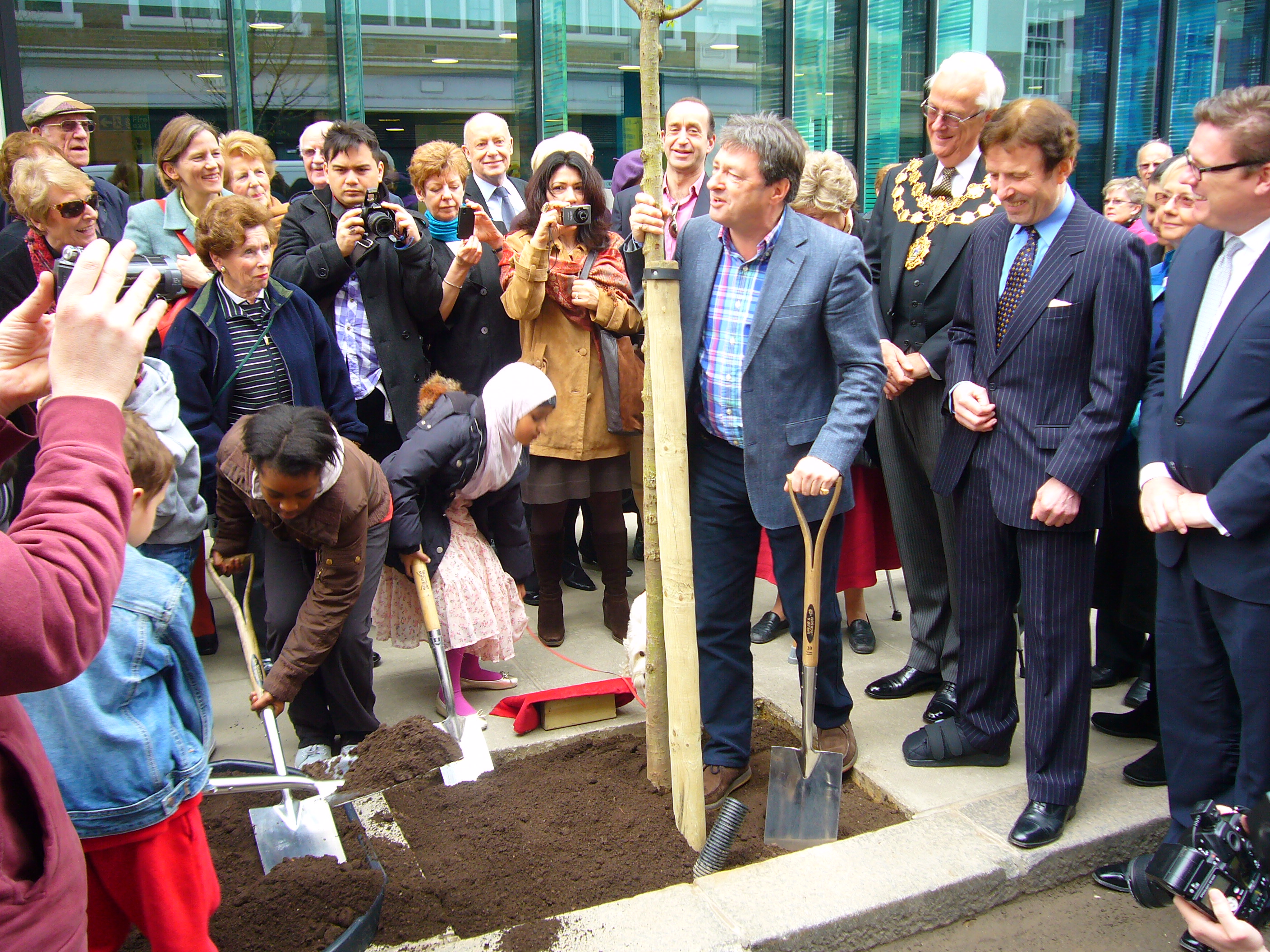
Community development strategies are applied across a vast spectrum of real-world scenarios. They are used to revitalize neglected urban neighborhoods by developing affordable housing, creating local jobs through social enterprises, and improving public amenities like parks and community centers. In rural areas, strategies might focus on supporting local agriculture, improving access to healthcare and education, or developing sustainable tourism. They are also crucial in disaster recovery efforts, helping communities rebuild infrastructure and social support systems after natural catastrophes. Furthermore, strategies are employed to address specific social issues, such as substance abuse prevention programs, youth mentorship initiatives, and programs aimed at integrating refugees and immigrants into new communities.
Key Facts
- Year
- Early 20th Century (formalization)
- Origin
- Global (with significant roots in UK, US, and post-colonial nations)
- Category
- movements
- Type
- concept
Frequently Asked Questions
What is the primary goal of community development strategies?
The primary goal is to empower residents to collectively identify and solve local problems, leading to improved social, economic, and environmental conditions. This involves building local capacity, fostering civic engagement, and promoting sustainable and equitable change within a community. Strategies aim to enhance quality of life, strengthen social cohesion, and increase resilience to challenges, ensuring that development benefits are broadly shared among residents.
How do community development strategies differ from traditional top-down development projects?
Unlike top-down projects, community development strategies emphasize resident participation and leadership throughout the entire process, from needs assessment to implementation and evaluation. They often employ asset-based approaches, focusing on existing community strengths rather than solely on deficits. This participatory model ensures that interventions are more relevant, sustainable, and culturally appropriate, fostering a sense of ownership and agency among community members, which is often lacking in externally imposed development plans.
What are some common challenges faced by community development initiatives?
Common challenges include securing sustainable funding, navigating complex local politics, overcoming resident apathy or distrust, and managing internal conflicts within community groups. External factors like economic downturns, gentrification pressures, and policy changes can also pose significant hurdles. Furthermore, effectively measuring the long-term impact of development efforts and demonstrating tangible results to funders and stakeholders remains a persistent challenge for many organizations.
Can you give an example of a successful community development strategy in action?
A prime example is the Mission Economic Development Agency (MEDA) in San Francisco, which focuses on empowering Latino families through asset building. MEDA provides services like financial literacy training, small business support, and affordable housing development, directly addressing economic disparities. Their success is measured not just in dollars generated or units built, but in the increased economic stability and well-being of the families they serve, demonstrating a holistic approach to community upliftment.
What is the role of technology in modern community development strategies?
Technology plays an increasingly vital role, facilitating communication, data collection, and resource mobilization. Digital platforms are used for organizing meetings, conducting surveys, sharing information, and even for crowdfunding local projects. Tools like GIS mapping help in understanding community needs and planning interventions, while social media can amplify community voices and advocacy efforts. However, ensuring digital equity and addressing the digital divide are crucial considerations to prevent technology from exacerbating existing inequalities.
How can individuals get involved in community development in their own neighborhoods?
Individuals can get involved by joining local neighborhood associations, volunteering with community organizations like Habitat for Humanity, or participating in local government meetings and planning sessions. Attending workshops, sharing skills, or even starting a small initiative to address a local need are effective ways to contribute. Building relationships with neighbors and actively participating in local events are foundational steps to understanding and contributing to community development efforts.
What are the future trends expected in community development strategies?
Future trends include a greater emphasis on climate resilience and adaptation, the integration of circular economy principles, and the use of advanced data analytics for more targeted interventions. Expect increased focus on intergenerational collaboration, digital inclusion initiatives, and strategies that explicitly address systemic racism and economic inequality. The rise of 'community wealth building' models, which aim to keep wealth circulating locally, will also likely gain prominence as communities seek greater economic self-determination.