
Contents
- 🌐 What Are Digital Community Relationships?
- 👥 Who Needs Strong Digital Bonds?
- 📍 Where Do These Relationships Flourish?
- ⏱️ When Do They Matter Most?
- 💰 The ROI of Digital Connection
- ⭐ Vibepedia's Vibe Score: Digital Community Health
- ⚖️ Navigating the Nuances: Digital vs. Analog
- 💡 Best Practices for Cultivating Digital Communities
- 🚀 The Future of Digital Interdependence
- ❓ Frequently Asked Questions
- Related Topics
Overview
Community relationships are the bedrock of human connection, evolving dramatically with the advent of the internet. From ancient tribal bonds to modern online forums, the fundamental need for belonging and shared identity persists. Understanding these dynamics requires examining the historical precedents of social cohesion, the inherent skepticism towards digital interactions, and the powerful emotional resonance of belonging to a group. Practically, it involves understanding the mechanics of online platforms, the flow of influence, and the potential for both radical collaboration and intense conflict. The future of community relationships hinges on our ability to foster genuine connection amidst digital noise, with significant implications for social capital, political mobilization, and individual well-being.
🌐 What Are Digital Community Relationships?
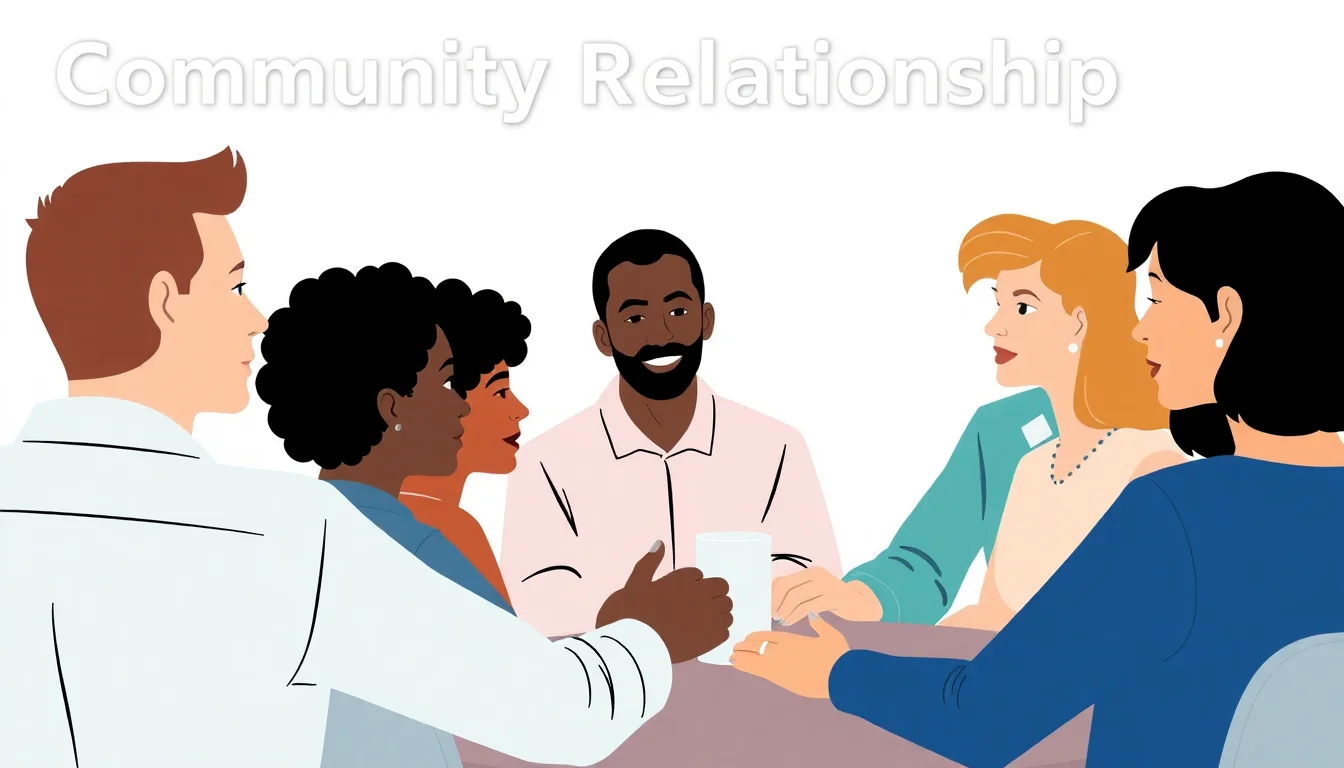
Digital community relationships are the intricate webs of connection, interaction, and mutual support that form online. They're not just about shared interests; they're about the emergent social capital built through consistent engagement on platforms ranging from Discord and Reddit to professional LinkedIn and niche online forums. These relationships are the invisible infrastructure that makes the digital age feel less like a sterile network and more like a living, breathing ecosystem. They provide belonging, validation, and a sense of shared identity in an increasingly fragmented world.
👥 Who Needs Strong Digital Bonds?
Anyone navigating the modern digital landscape benefits from strong community relationships. This includes remote work seeking camaraderie, online learning needing collaborative support, content creators building fanbases, and individuals seeking specialized knowledge or emotional support unavailable locally. Even business strategy rely on these connections for customer loyalty and brand advocacy. Essentially, if you spend any significant time online, fostering these bonds is crucial for well-being and success.
📍 Where Do These Relationships Flourish?
These relationships manifest across a vast spectrum of digital spaces. Online gaming on platforms like Twitch and Steam are prime examples, as are dedicated fandoms for everything from K-Pop to obscure sci-fi series. Professional networks like Stack Overflow for developers and Behance for designers showcase how expertise is shared and refined. Even ephemeral platforms like Instagram or TikTok can spark lasting connections, albeit with a different kind of depth.
⏱️ When Do They Matter Most?
The importance of digital community relationships escalates during periods of physical isolation, as seen during the COVID-19 pandemic. They become lifelines for mental health, providing social interaction and reducing feelings of loneliness. Furthermore, they are critical during major life transitions, such as moving to a new city, starting a new career, or dealing with a specific health challenge, offering a readily accessible support system.
💰 The ROI of Digital Connection
While often intangible, the return on investment (ROI) for digital community relationships is substantial. Strong communities drive customer retention for brands, increase user engagement on platforms, and can even lead to direct economic opportunities through collaborations and shared projects. For individuals, the benefits include enhanced learning, career advancement through professional networking, and improved psychological well-being, which has its own measurable impact on productivity and life satisfaction.
⭐ Vibepedia's Vibe Score: Digital Community Health
Vibepedia assigns a Vibe Score (0-100) to digital communities based on factors like engagement depth, inclusivity, moderation quality, and perceived authenticity. A high score indicates a thriving, supportive environment, while a low score might signal toxicity, inactivity, or poor management. For example, a well-moderated Wikipedia editing community might score high for collaborative spirit, while a poorly managed online forum rife with spam could score very low.
💡 Best Practices for Cultivating Digital Communities
Cultivating robust digital communities requires intentionality. This involves establishing clear community guidelines, active and fair moderation, fostering a welcoming atmosphere for newcomers, and creating opportunities for meaningful interaction beyond superficial comments. Encouraging user-generated content and recognizing active members can significantly boost morale and participation. Consistent presence and responsiveness from community leaders are also vital.
🚀 The Future of Digital Interdependence
The future of digital community relationships points towards greater integration with virtual reality and augmented reality, creating more immersive shared experiences. We'll likely see more sophisticated AI tools for moderation and community management, as well as a continued blurring of lines between online and offline identities. The challenge will be maintaining authenticity and preventing the commodification of genuine human connection in increasingly gamified digital spaces.
❓ Frequently Asked Questions
What is the difference between a social media group and a true online community? A social media group can be a component of an online community, but a true community involves deeper engagement, shared norms, and a sense of collective identity beyond just shared interests. Can online relationships be as meaningful as in-person ones? For many, yes. While they differ, online relationships can provide profound emotional support, intellectual stimulation, and lasting friendships, especially when they complement offline connections. How do I find a good online community? Look for communities that align with your interests, have clear rules, active moderation, and a positive atmosphere. Vibepedia's Vibe Scores can be a helpful starting point. What are the risks of participating in online communities? Potential risks include exposure to misinformation, online harassment, echo chambers, and privacy concerns. It's crucial to be discerning and practice safe online behavior. How can I contribute positively to an online community? Be respectful, offer value through your knowledge or support, follow community guidelines, and engage constructively with others. Is it possible to build a career through online communities? Absolutely. Networking, skill-sharing, and showcasing expertise within relevant communities can lead to job opportunities, collaborations, and even entrepreneurial ventures.
Key Facts
- Year
- Ongoing
- Origin
- Human Social Structures
- Category
- Sociology & Digital Culture
- Type
- Concept