
Contents
Overview
Compliance auditing is the systematic process of evaluating an organization's adherence to a set of standards, whether they are internal policies, industry regulations, or legal mandates. This practice is crucial for mitigating risks, preventing penalties, and maintaining stakeholder trust. Audits can span various domains, from financial reporting and data privacy to environmental impact and workplace safety. The scale of compliance auditing is immense, with global regulatory landscapes constantly shifting, demanding continuous vigilance. For instance, the GDPR alone requires extensive compliance efforts for any organization handling EU citizen data. In essence, compliance auditing acts as a critical internal control mechanism, providing assurance that an entity operates ethically, legally, and efficiently, thereby safeguarding its reputation and financial health.
🎵 Origins & History
The roots of compliance auditing can be traced back to the earliest forms of oversight and accountability. Historically, rulers and governing bodies appointed individuals to ensure adherence to decrees and tax collection, a rudimentary form of compliance checking. The formalization of auditing, however, gained significant traction with the rise of corporate structures and financial markets in the 19th and 20th centuries. As regulatory frameworks expanded to encompass areas like worker safety and environmental protection, the scope of auditing broadened considerably. The digital age, with its explosion of data and complex IT systems, further necessitated specialized compliance audits for areas like information security and data privacy, leading to frameworks like ISO 27001 and SOC 2.
⚙️ How It Works
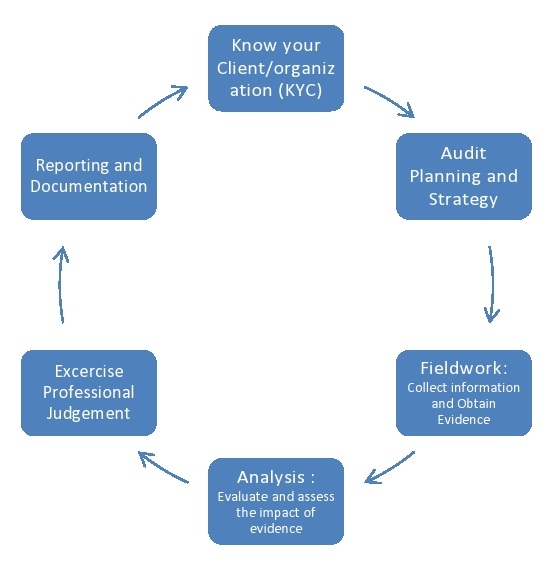
Compliance auditing operates through a structured, systematic methodology. It begins with defining the scope, identifying the specific regulations, standards, or policies to be audited, and the period under review. Auditors then develop an audit plan, outlining objectives, methodologies, and required resources. The core of the process involves gathering evidence through various techniques: reviewing documentation (policies, procedures, records), conducting interviews with personnel, performing tests of controls, and observing operations. Evidence is analyzed against the established criteria to identify gaps, non-compliance, or areas of weakness. Findings are documented in an audit report, which typically includes an executive summary, detailed observations, identified risks, and recommendations for corrective actions. Management then develops and implements action plans to address these findings, often followed by a follow-up audit to verify remediation.
📊 Key Facts & Numbers
The global compliance market is substantial, with various sectors experiencing significant audit activity. The financial services industry alone faces hundreds of regulatory requirements. Thousands of new laws and amendments are enacted globally each year, underscoring the continuous demand for compliance auditing services.
👥 Key People & Organizations
Key players in compliance auditing include specialized accounting firms like Deloitte, PwC, EY, and KPMG (the 'Big Four'), which offer extensive audit and assurance services. Regulatory bodies themselves, such as the U.S. Securities and Exchange Commission (SEC), set the standards and often conduct their own oversight. Technology providers are also critical, with companies like MetricStream offering GRC platforms that streamline audit processes. Internal audit departments within large corporations, often led by Chief Audit Executives (CAEs), are fundamental to ongoing compliance efforts. Professional organizations like the Institute of Internal Auditors (IIA) and the Information Systems Audit and Control Association (ISACA) develop standards and certifications, shaping best practices.
🌍 Cultural Impact & Influence
Compliance auditing has profoundly shaped corporate culture and operational integrity. It has fostered a mindset of accountability, pushing organizations to proactively manage risks rather than reactively addressing failures. The public's expectation of ethical and legal conduct has been amplified by high-profile compliance failures, making robust auditing a necessity for maintaining brand reputation and customer loyalty. The fallout from events involving Facebook and Cambridge Analytica has heightened public awareness and regulatory scrutiny, making compliance audits a critical component of digital trust.
⚡ Current State & Latest Developments
The landscape of compliance auditing is rapidly evolving, driven by technological advancements and an increasingly complex regulatory environment. Artificial intelligence (AI) and machine learning (ML) are being integrated to automate repetitive audit tasks, analyze vast datasets for anomalies, and predict potential compliance risks. Robotic Process Automation (RPA) is also being deployed to streamline evidence gathering and testing. The rise of cloud computing necessitates audits of cloud service providers and the shared responsibility models they employ. Furthermore, emerging regulations around sustainability and environmental, social, and governance (ESG) factors are creating new audit domains. The ongoing development of cybersecurity threats means that cybersecurity audits are becoming more sophisticated and frequent, focusing on threat detection, incident response, and resilience.
🤔 Controversies & Debates
Significant debates surround the effectiveness and scope of compliance auditing. A perennial controversy is the 'check-the-box' mentality, where audits become a perfunctory exercise focused on ticking off requirements rather than fostering genuine improvement. Critics argue that overly prescriptive regulations can stifle innovation and lead to compliance fatigue. The cost of compliance is another major point of contention; small and medium-sized enterprises (SMEs) often struggle with the financial burden of extensive audits. There's also ongoing discussion about the independence of auditors, particularly when they are engaged by the very organizations they are meant to scrutinize. The effectiveness of self-assessment versus external audits, and the appropriate level of assurance required for different types of compliance, remain subjects of debate among regulators and industry professionals.
🔮 Future Outlook & Predictions
The future of compliance auditing points towards greater automation, predictive analytics, and continuous monitoring. AI and ML will likely move beyond automating current tasks to providing more sophisticated risk assessments and predictive insights, enabling organizations to identify and address potential issues before they manifest. Continuous auditing, where data is monitored in real-time rather than through periodic checks, will become more prevalent, facilitated by advanced analytics and big data technologies. The scope of audits will continue to expand, encompassing new areas like AI ethics, supply chain transparency, and digital asset regulation. Expect a greater emphasis on 'assurance' beyond mere 'compliance,' focusing on the actual effectiveness of controls and the organization's overall resilience. The role of the auditor will likely shift from a data collector to a strategic advisor, interpreting complex data and providing actionable insights.
💡 Practical Applications
Compliance auditing has a wide array of practical applications across virtually every industry. In finance, it ensures adherence to regulations like Basel III and AML laws, preventing financial crime. Healthcare organizations use it to comply with HIPAA and ensure patient data privacy and safety. Technology companies undergo audits for data protection standards like ISO 27001 and SOC 2 to
Key Facts
- Category
- technology
- Type
- topic