
Contents
Overview
The roots of the cosmetic industry can be traced back to ancient civilizations, where Egyptians, Greeks, and Romans used natural pigments and oils for adornment and ritual. Modern cosmetic manufacturing, however, began to take shape in the late 19th and early 20th centuries, spurred by advancements in chemistry and industrial production. Pioneers like Eugene Schueller, founder of L'Oréal, and Max Factor in the United States, revolutionized the industry by developing mass-producible products and sophisticated marketing strategies. The post-World War II era saw an explosion in product variety and global expansion, with companies like Estée Lauder and Procter & Gamble establishing themselves as major players. The industry's trajectory has been marked by a continuous evolution from basic hygiene and adornment to complex formulations aimed at anti-aging, skin enhancement, and personal expression.
⚙️ How It Works
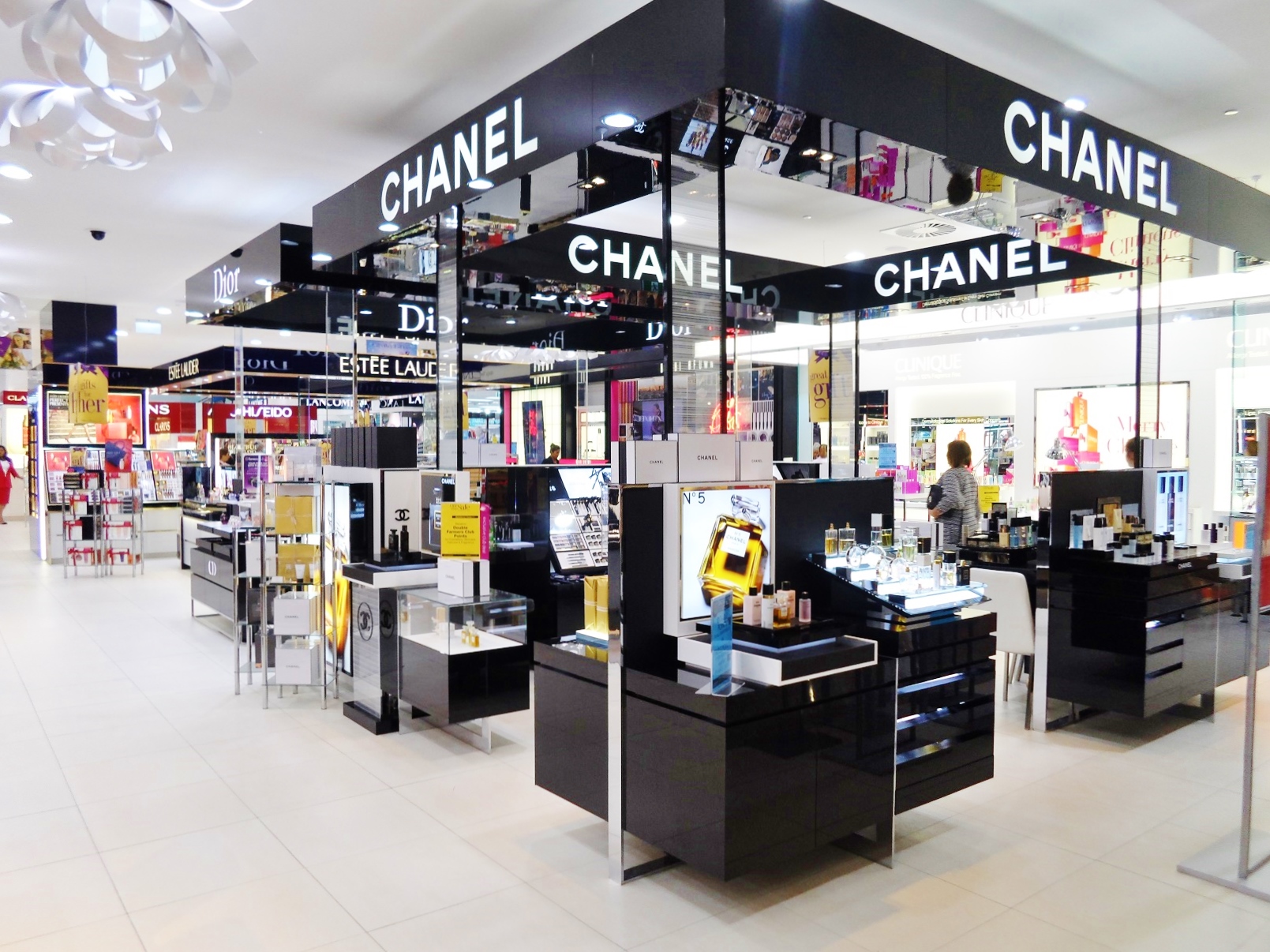
The cosmetic industry operates through a complex value chain involving research and development, raw material sourcing, manufacturing, packaging, marketing, distribution, and retail. Formulations are developed by cosmetic chemists, often leveraging advancements in biotechnology and material science to create innovative textures, delivery systems, and active ingredients. Manufacturing can range from large-scale automated factories producing millions of units for global brands like Unilever to smaller, artisanal workshops for niche brands. Packaging is a critical component, influencing both product preservation and consumer appeal, with trends shifting towards sustainability and minimalist design. Distribution channels are diverse, including department stores, drugstores, specialty beauty retailers like Sephora, direct-to-consumer websites, and increasingly, e-commerce platforms.
📊 Key Facts & Numbers
The global cosmetic market is a colossal economic force. The Asia-Pacific region, particularly China, represents the fastest-growing market, driven by rising disposable incomes and a burgeoning middle class. North America and Europe remain significant markets. The digital channel now accounts for over 20% of all cosmetic sales globally.
👥 Key People & Organizations
Key organizations shaping the cosmetic industry include multinational conglomerates like L'Oréal (the world's largest beauty company by revenue), Estée Lauder Companies, Procter & Gamble, Unilever, and LVMH. These giants own a portfolio of diverse brands, from mass-market to luxury. Independent brands, often born from social media or entrepreneurial vision, are also significant, such as Fenty Beauty by Rihanna, which disrupted the market with its inclusive shade range. Trade associations like the Cosmetic, Toiletry & Fragrance Association (CTFA) (now the Personal Care Products Council) advocate for industry interests and provide regulatory guidance. Influential figures like Pat McGrath and Charlotte Tilbury have built empires through their artistic vision and brand-building prowess.
🌍 Cultural Impact & Influence
The cosmetic industry wields immense cultural influence, shaping beauty standards, promoting self-expression, and driving consumer trends. It has been instrumental in popularizing concepts like the 'no-makeup makeup' look, the 'glass skin' aesthetic, and the embrace of bold, experimental color. Through advertising and media representation, cosmetics have historically reinforced certain ideals of beauty, though recent years have seen a significant push towards inclusivity and diversity, challenging traditional norms. The rise of influencer marketing on platforms like Instagram and TikTok has democratized beauty discourse, allowing a wider range of voices and aesthetics to gain prominence. Furthermore, the industry's focus on ingredients and efficacy has fostered a more informed consumer base, increasingly interested in the science behind their beauty products.
⚡ Current State & Latest Developments
The cosmetic industry in 2024 is characterized by rapid digital transformation, a heightened focus on sustainability, and the continued rise of personalized beauty. Direct-to-consumer (DTC) sales are booming, with brands leveraging data analytics to offer tailored product recommendations and subscription services. The demand for sustainable packaging and ethically sourced ingredients is driving innovation in material science and supply chain transparency. AI-powered tools are being integrated for virtual try-ons, personalized skincare analysis, and customized product formulation. The 'skinification' of makeup, where makeup products offer skincare benefits, continues to be a dominant trend, blurring the lines between beauty and wellness. Emerging markets, particularly in Southeast Asia and Africa, are showing significant growth potential.
🤔 Controversies & Debates
Significant controversies plague the cosmetic industry, including debates over animal testing, the use of potentially harmful chemicals, and misleading marketing claims. While many regions have banned or restricted animal testing for cosmetics, it remains a contentious issue globally. Concerns about ingredients like parabens, phthalates, and sulfates persist, fueling the demand for 'clean' and 'natural' alternatives, though definitions can be vague and unregulated. The industry faces scrutiny over its environmental impact, from plastic waste generated by packaging to water usage in manufacturing. Furthermore, the historical lack of shade diversity in foundation and concealer products has been a major point of criticism, leading to calls for greater inclusivity and representation from brands like Dior and NARS.
🔮 Future Outlook & Predictions
The future of the cosmetic industry is poised for continued innovation, driven by scientific advancements and evolving consumer values. Personalized beauty, powered by AI and genetic testing, will likely become more mainstream, offering bespoke formulations and treatment plans. The integration of wearable technology could lead to smart beauty devices that monitor skin health and deliver targeted treatments. Sustainability will remain a paramount concern, pushing for biodegradable materials, refillable packaging, and carbon-neutral production processes. The metaverse and virtual reality may open new avenues for virtual try-ons and digital beauty experiences. Expect a further blurring of lines between cosmetics, pharmaceuticals, and wellness, with an increasing focus on preventative aging and holistic well-being.
💡 Practical Applications
Cosmetic products are applied in numerous practical ways across daily life and specialized fields. For personal grooming, they enhance appearance, hygiene, and self-confidence, from daily skincare routines involving moisturizers and sunscreens to makeup application for social events. In the entertainment industry, professional makeup artists use specialized products for film, television, and theater to create character looks and special effects. The medical field utilizes cosmetic formulations for post-surgical scar treatment and dermatological conditions, often requiring specific hypoallergenic or therapeutic ingredients. Furthermore, the development of cosmetic formulations informs advancements in material science, particularly in areas like nanotechnology for ingredient delivery and polymer science for texture and longevity.
Key Facts
- Category
- culture
- Type
- topic