
Contents
Overview
Counterterrorism, often shortened to CT, is the proactive and reactive set of measures governments and organizations deploy to combat terrorism. It's not just about reacting to attacks; it's a comprehensive approach involving intelligence gathering, law enforcement, military action, and diplomatic efforts. The goal is to disrupt terrorist plots before they happen, apprehend perpetrators, and mitigate the impact of attacks. Understanding CT is crucial for anyone involved in national security, international relations, or even those seeking to comprehend the geopolitical forces shaping our world. It’s a dynamic field, constantly adapting to evolving threats, from lone-wolf attacks to sophisticated state-sponsored campaigns.
🌍 Who Needs to Know About This?
This overview is essential for policymakers, intelligence analysts, law enforcement officials, military strategists, and academics specializing in national security and international relations. Beyond these professional circles, it's vital for journalists covering global conflicts, business leaders operating in high-risk regions, and citizens concerned about public safety. Anyone seeking to grasp the complex interplay between state power, non-state actors, and ideological conflict will find value here. It provides a foundational understanding of the tools and tactics used to address one of the most persistent threats to global stability, impacting everything from travel advisories to international aid.
🔍 Key Components & Strategies
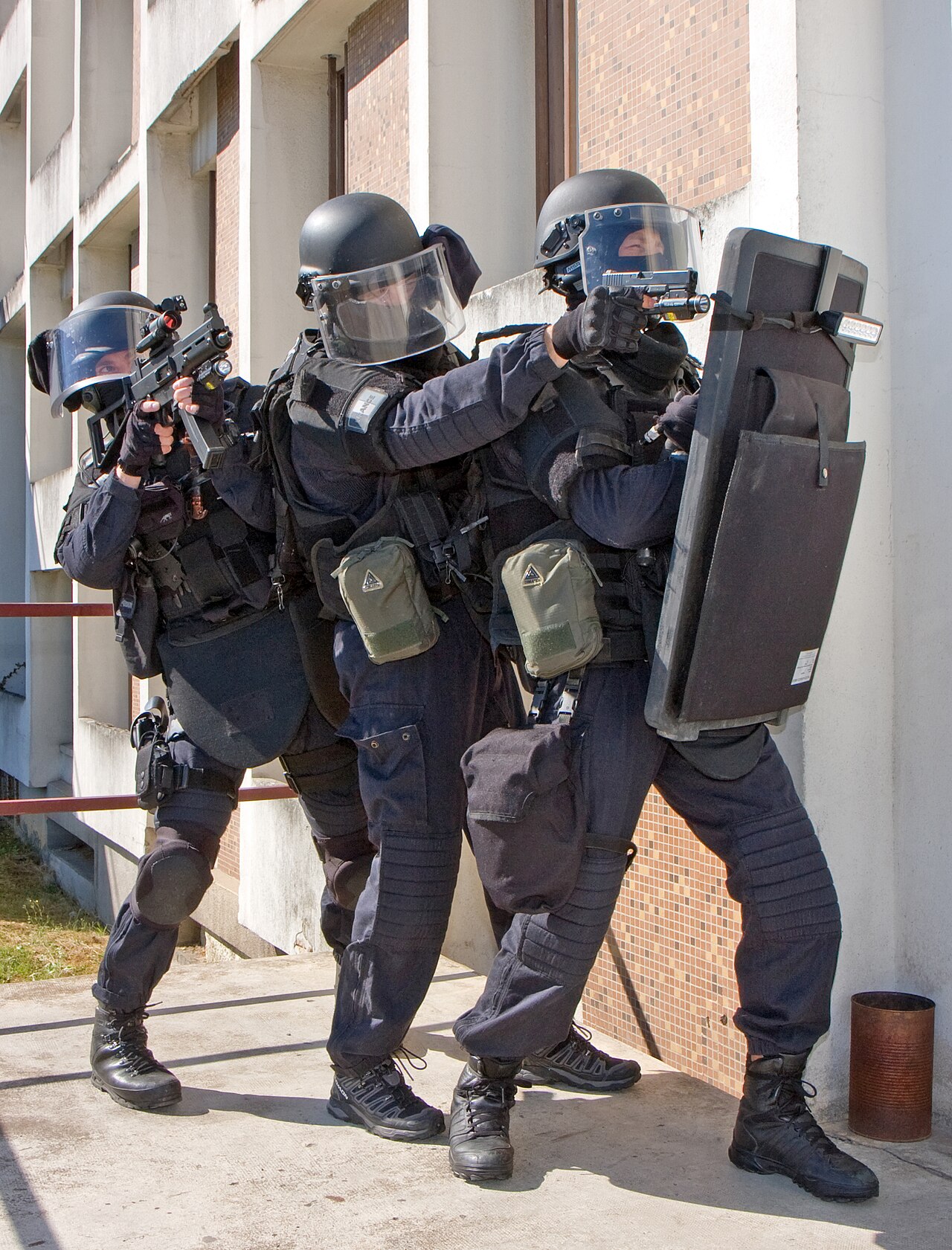
At its core, counterterrorism involves several key pillars: intelligence collection and analysis to identify threats, law enforcement operations to disrupt plots and arrest suspects, and military or paramilitary interventions for direct action against terrorist groups. Diplomatic efforts aim to cut off funding, isolate groups politically, and build international cooperation. Public awareness campaigns and community engagement strategies are also increasingly recognized as vital for preventing radicalization and building resilience. Each of these components, from human intelligence to cybersecurity measures, plays a critical role in the overall CT architecture.
⚖️ Legal & Ethical Frameworks
The legal and ethical dimensions of counterterrorism are fraught with debate. CT operations must navigate a complex web of domestic and international laws, including human rights conventions and the laws of armed conflict. Striking a balance between security imperatives and civil liberties is a perpetual challenge, leading to ongoing discussions about surveillance powers, due process, and the definition of terrorism itself. The Geneva Conventions and principles of jus cogens often form the bedrock of these discussions, though their application in non-state conflict scenarios remains contentious.
📈 Global Trends & Challenges
Globally, counterterrorism efforts face evolving challenges. The rise of online radicalization and the use of social media for propaganda and recruitment by groups like ISIS and Al-Qaeda have shifted the battlefield. State-sponsored terrorism and the weaponization of disinformation campaigns add further layers of complexity. Furthermore, the effectiveness of CT strategies is often debated, with concerns about unintended consequences, such as alienating populations or creating new grievances. The sheer scale of global terrorism, with thousands of casualties annually, underscores the urgency of these challenges.
💡 Innovations & Future Directions
The future of counterterrorism is increasingly tied to technological advancements. Artificial intelligence is being explored for threat detection and predictive analysis, while advanced surveillance technologies offer new ways to monitor potential threats. However, these innovations also raise profound ethical questions about privacy and the potential for misuse. The development of resilience strategies, focusing on societal preparedness and the prevention of radicalization at its roots, is also gaining prominence as a long-term CT approach. The interplay between technological solutions and human-centric prevention will define the next era of CT.
📚 Resources for Deeper Understanding
For those seeking to deepen their understanding, numerous resources are available. Academic institutions offer specialized counterterrorism studies programs. Think tanks like the RAND Corporation and the Brookings Institution publish extensive research. Official government reports from agencies like the U.S. Department of State and the United Nations Counter-Terrorism Committee provide valuable data and policy insights. Books by leading experts, such as Bruce Hoffman's "Inside Terrorism," offer historical context and analytical depth.
❓ Frequently Asked Questions
Counterterrorism is a multifaceted discipline, and understanding its nuances is key to navigating the complexities of global security. The strategies employed are diverse, ranging from intelligence operations to diplomatic initiatives, each with its own set of challenges and ethical considerations. As threats evolve, so too must the methods used to counter them, making it a perpetually dynamic field of study and practice. The ongoing debate centers on finding the most effective and ethical means to ensure public safety without compromising fundamental rights.
Key Facts
- Year
- 1945
- Origin
- The modern concept of counterterrorism began to coalesce in the mid-20th century, evolving from earlier forms of state security and anti-insurgency operations, particularly in response to state-sponsored terrorism and the rise of non-state armed groups.
- Category
- Geopolitics & Security
- Type
- Topic
Frequently Asked Questions
What is the primary goal of counterterrorism?
The primary goal of counterterrorism is to prevent, deter, and respond to acts of terrorism. This involves disrupting terrorist plots, apprehending perpetrators, and mitigating the impact of attacks. It's a proactive and reactive strategy aimed at safeguarding populations and maintaining stability.
How do intelligence agencies contribute to counterterrorism?
Intelligence agencies are crucial for gathering, analyzing, and disseminating information about potential terrorist threats. They use various methods, including human intelligence (HUMINT), signals intelligence (SIGINT), and open-source intelligence (OSINT), to identify plots, track terrorist networks, and provide actionable intelligence to law enforcement and military units.
What are the main challenges in international counterterrorism cooperation?
International cooperation in counterterrorism faces challenges such as differing national interests, legal frameworks, and levels of trust between countries. Sharing intelligence effectively, coordinating operations, and agreeing on common definitions and strategies can be difficult. Political sensitivities and sovereignty concerns also play a significant role.
How has the internet impacted counterterrorism efforts?
The internet has profoundly impacted counterterrorism by providing platforms for terrorist propaganda, recruitment, and communication. It also enables online radicalization and the planning of attacks. Conversely, the internet offers new tools for intelligence gathering, monitoring online activities, and countering extremist narratives through digital means.
What is the difference between counterterrorism and counter-insurgency?
Counterterrorism focuses specifically on combating non-state terrorist groups and their tactics, often involving intelligence, law enforcement, and targeted military operations. Counter-insurgency, on the other hand, is a broader military strategy aimed at defeating an insurgency by addressing both the combatants and the underlying political, economic, and social conditions that fuel the conflict.
Are there ethical concerns associated with counterterrorism measures?
Yes, significant ethical concerns exist. These include potential infringements on civil liberties and privacy due to surveillance, the use of controversial interrogation techniques, and the risk of collateral damage in military operations. Balancing security needs with human rights is a constant ethical tightrope.