
Contents
Overview
The story of cumin is as old as civilization itself, with evidence pointing to its cultivation and use in the ancient Near East. Originating from the Irano-Turanian region, a vast area encompassing parts of modern-day Iran, Afghanistan, and Central Asia, cumin seeds have been unearthed in Egyptian tombs, attesting to their presence in the diet of pharaohs. Roman gourmands, as documented by Pliny the Elder in his Natural History, prized cumin not only for its flavor but also for its ability to impart a darker hue to food, a practice that foreshadows its modern use as a coloring agent. Its journey westward was facilitated by trade routes like the Silk Road, embedding it into the culinary fabric of Mediterranean and eventually European cuisines, though its prominence waned in Europe after the Middle Ages, only to be revived through continued trade and cultural exchange, particularly with the rise of Indian and Middle Eastern diasporas.
⚙️ How It Works
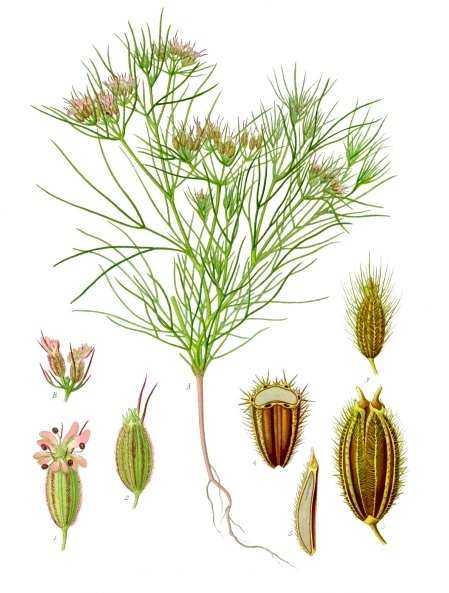
Cumin's characteristic flavor and aroma are attributed to its essential oil. The seeds themselves are the dried fruits of the Cuminum cyminum plant, a small, herbaceous annual belonging to the Apiaceae family, which also includes parsley, carrot, and dill. The plant thrives in warm, dry climates, with seeds typically harvested when the plant matures, after which they are dried and processed. The extraction of essential oils, often through steam distillation, yields a potent concentrate used in perfumery and flavorings, while the dried seeds are ground or used whole for culinary purposes, releasing their aromatic compounds when heated.
📊 Key Facts & Numbers
Globally, cumin production is a significant agricultural undertaking. India is by far the largest producer and consumer, followed by countries like Syria, Turkey, and Egypt. The global market for cumin is valued in the hundreds of millions of dollars. In terms of nutritional value, one tablespoon (about 6 grams) of ground cumin provides approximately 22 calories, 1 gram of protein, and significant amounts of iron. The essential oil content in cumin seeds can range from 2% to 5% by weight.
👥 Key People & Organizations
While no single individual is credited with the 'discovery' of cumin, its widespread adoption is linked to ancient civilizations and their agricultural advancements. Key organizations that have played a role in its global dissemination and standardization include agricultural research institutions like the Indian Institute of Spices Research (IISR) in Calicut, India, which focuses on improving cumin yields and quality. International spice trade associations, such as the American Spice Trade Association (ASTA), also contribute to setting quality standards and facilitating trade. Historically, figures like Pliny the Elder documented its use in Roman times, and its integration into various regional cuisines can be attributed to countless anonymous cooks and traders who carried its seeds along ancient trade routes, from the markets of Baghdad to the spice stalls of Marrakesh.
🌍 Cultural Impact & Influence
Cumin's influence extends far beyond its flavor profile, deeply embedding itself into the cultural and culinary identities of numerous regions. In India, it's a foundational spice in garam masala and essential for dishes like jeera rice and dal tadka, often toasted to unlock its nutty aroma. Mexican cuisine relies on cumin for its iconic chili powders and adobos, lending depth to dishes like barbacoa and enchiladas. North African tagines and stews, from Moroccan lamb to Egyptian koshari, are incomplete without its earthy warmth. Its presence is also felt in the Middle East, where it seasons falafel, hummus, and various grilled meats. Beyond food, cumin has a long history in traditional medicine across cultures, from Ayurvedic practices in India to folk remedies in the Mediterranean, where it was believed to aid digestion and possess other health benefits, a testament to its perceived value that transcended mere taste.
⚡ Current State & Latest Developments
The global cumin market is dynamic, influenced by factors such as weather patterns affecting harvests in major producing countries like India, and evolving consumer preferences for natural and ethnic flavors. In recent years, there's been a growing interest in the health benefits of spices, leading to increased demand for high-quality cumin, particularly for its antioxidant and anti-inflammatory properties, as explored by research institutions like Penn State University. The development of new processing techniques aims to enhance cumin's shelf life and preserve its volatile oils, ensuring consistent flavor profiles for global consumers. Furthermore, the rise of e-commerce platforms like Amazon.com and specialized spice retailers has made sourcing diverse varieties of cumin, including organic and single-origin options, more accessible to home cooks worldwide.
🤔 Controversies & Debates
While cumin is widely celebrated for its flavor, debates occasionally surface regarding its perceived medicinal efficacy and the potential for adulteration in the global spice trade. Some critics argue that claims of significant health benefits, while popular in traditional medicine and some wellness circles, are often not supported by robust, large-scale clinical trials, leading to a controversy spectrum score that reflects ongoing scientific scrutiny. Concerns about purity also arise, as cumin can sometimes be adulterated with cheaper ground seeds or other substances to increase volume and reduce costs, a persistent issue that regulatory bodies and organizations like the FDA work to combat through testing and enforcement. The sourcing of cumin also raises questions about sustainable agricultural practices and fair trade, particularly in regions where smallholder farmers are the primary producers.
🔮 Future Outlook & Predictions
The future of cumin appears robust, driven by its indispensable role in global cuisines and emerging research into its health-promoting compounds. As consumer interest in plant-based diets and natural health solutions continues to grow, cumin is poised to benefit from its association with both flavor and wellness. Innovations in agricultural technology, such as precision farming and improved seed varieties, could lead to more sustainable and efficient production, potentially stabilizing prices and increasing availability. Furthermore, ongoing scientific research into cumin's bioactive compounds, such as antioxidants and anti-inflammatory agents, may uncover new therapeutic applications, further solidifying its value beyond the kitchen. The potential for novel uses in functional foods and beverages, or even in the development of new pharmaceuticals, suggests a trajectory of continued relevance and expansion for this ancient spice.
💡 Practical Applications
Cumin's practical applications are vast, primarily centered around its use as a culinary spice. It's a fundamental ingredient in spice blends like curry powder, chili powder, and taco seasoning, providing a warm, earthy base note. In cooking, it's often toasted whole or ground before being added to dishes to enhance its aroma and flavor, a technique common in Indian and Middle Eastern cooking. It's used to season meats, vegetables, legumes, soups, stews, and even baked goods like bread and crackers. Beyond the kitchen, cumin essential oil is utilized in the fragrance industry for its warm, spicy notes and in aromatherapy. Its historical use in traditional medicine, though lacking strong scientific backing for many claims, points to its perceived value in aiding digestion and as an expectorant. In some regions, it's also used as a natural dye or coloring agent for food products.
Key Facts
- Category
- nature
- Type
- topic