
Contents
Overview
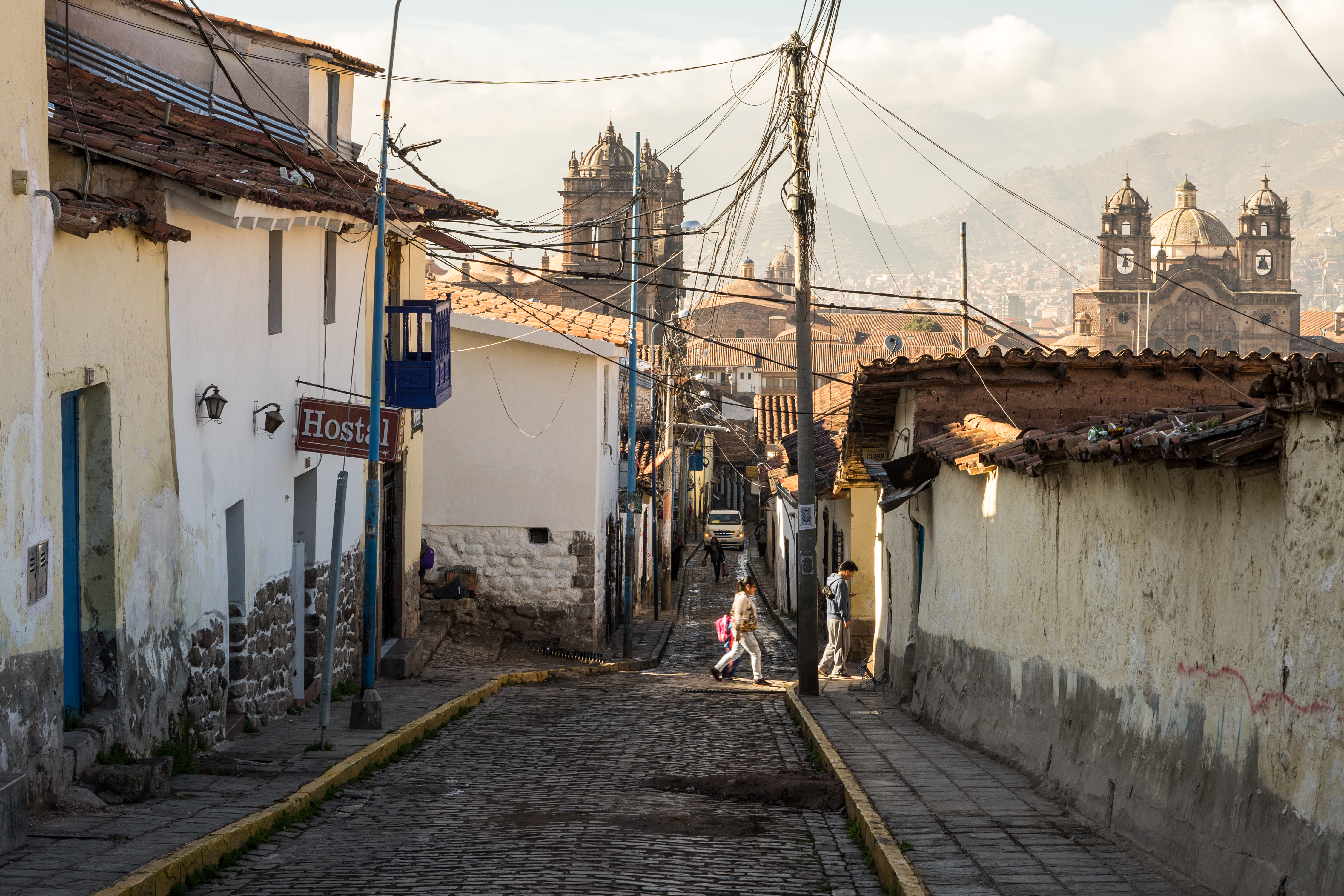
The story of Cusco begins not with a single date, but with a gradual ascent. The city's true genesis lies in its establishment as the capital of the Inca Empire around 1300 CE. For centuries, it was the political, religious, and administrative heart of Tawantinsuyu, a vast empire stretching across western South America. The Spanish conquest in the 16th century marked a violent rupture, yet rather than erasing the Inca legacy, the colonizers built directly upon it. This fusion is most evident in the city's layout, where Spanish churches and mansions stand atop precisely cut Inca stone walls, a physical manifestation of conquest and cultural synthesis. The designation as a UNESCO World Heritage Site in 1983 cemented its global significance, recognizing this extraordinary blend of indigenous and colonial heritage.
⚙️ Urban Design & Architecture
Cusco's urban fabric is a living palimpsest, a direct result of its tumultuous history. The Spanish meticulously dismantled and repurposed Inca structures, integrating their own architectural styles with the existing stonework. The Plaza de Armas, the city's main square, was once the Inca's Huacaypata, a ceremonial center. Many colonial churches, such as the Cusco Cathedral, were erected on the foundations of Inca palaces, including that of Inca Wasi. The distinctive polygonal masonry of the Incas, characterized by massive, tightly fitted stones without mortar, remains a prominent feature, particularly in areas like the Sacsayhuamán fortress overlooking the city. This architectural layering is not merely aesthetic; it represents a profound historical dialogue between two civilizations, where the conqueror's imprint is inextricably bound to the conquered's enduring legacy.
📊 Key Facts & Numbers
Cusco is a city of significant scale and demographic weight. Its population stands at approximately 430,000 residents, making it the largest urban center in the Cusco Region of Peru. The city covers an area of roughly 142.48 square kilometers, though its urban sprawl continues to expand. As a UNESCO World Heritage Site, it attracts over 2 million tourists annually, a figure that underscores its immense global appeal and economic reliance on tourism. The city's altitude, averaging around 3,400 meters (11,200 feet) above sea level, contributes to its unique climate and presents a distinct physiological challenge for visitors. Its economic output is heavily influenced by the tourism sector, which accounts for a substantial portion of the regional GDP.
👥 Key People & Organizations
The historical narrative of Cusco is shaped by pivotal figures from both the Inca and Spanish eras. Pachacuti Inca Yupanqui, widely credited with transforming Cusco into the imperial capital of the Inca Empire in the 15th century, laid much of the groundwork for its grandeur. Following the Spanish conquest, Francisco Pizarro led the expedition that captured the city and established Spanish rule, with Vicente de Valverde playing a key role as the first bishop. In modern times, figures like Luis Pantoja Calvo, the current mayor, are responsible for managing the city's development and heritage. Organizations such as the UNESCO have been instrumental in preserving its World Heritage status, while local entities like the Inca Museum work to safeguard and interpret its rich cultural past.
🌍 Cultural Impact & Influence
Cusco's influence extends far beyond its geographical boundaries, shaping perceptions of ancient civilizations and influencing global tourism trends. It is inextricably linked to the mystique of the Inca Empire, serving as the primary tangible connection for millions to this sophisticated pre-Columbian society. The city's iconic status has inspired countless books, documentaries, and artistic works, solidifying its place in the global cultural consciousness. Its role as the gateway to Machu Picchu has made it a critical node in the international travel circuit, impacting economies and cultural exchanges worldwide. The unique blend of Inca and Spanish colonial heritage has also influenced architectural and urban planning discussions, highlighting the potential for cultural fusion in urban development.
⚡ Current State & Latest Developments
In the contemporary era, Cusco grapples with the dual challenges of preserving its immense historical integrity while accommodating a burgeoning tourism industry and a growing resident population. Efforts are continuously underway to manage visitor flows to sensitive archaeological sites and to mitigate the environmental impact of tourism. The city is also focusing on diversifying its economy beyond tourism, exploring avenues in sustainable agriculture and local crafts. Infrastructure development, particularly in transportation and waste management, remains a priority for the municipal government led by Luis Pantoja Calvo. The ongoing maintenance and restoration of its ancient structures, often in collaboration with international heritage organizations, are critical for its long-term survival.
🤔 Controversies & Debates
The most persistent controversy surrounding Cusco revolves around the impact of mass tourism. Critics argue that the sheer volume of visitors strains the city's infrastructure, contributes to the commodification of its culture, and risks damaging the very heritage sites that draw them. There are ongoing debates about the appropriate balance between economic benefits derived from tourism and the imperative of cultural and environmental preservation. Questions also arise regarding the equitable distribution of tourism revenue within the local population and the potential for 'over-tourism' to erode the authentic lived experience of its residents. The management of archaeological sites, including issues of access and conservation, frequently sparks discussion among heritage professionals and local communities.
🔮 Future Outlook & Predictions
The future of Cusco is intrinsically tied to its ability to navigate the complex interplay between heritage preservation and sustainable development. Projections suggest continued strong tourism numbers, necessitating innovative strategies for visitor management and infrastructure enhancement. There is a growing emphasis on promoting responsible tourism that benefits local communities and minimizes environmental impact. Furthermore, advancements in archaeological research and preservation techniques, potentially aided by technologies like 3D scanning and virtual reality, could offer new ways to understand and protect the city's ancient past. The long-term vision likely involves a more diversified economy, less reliant solely on international tourism, and a strengthened sense of cultural stewardship among its residents.
💡 Practical Applications
Cusco's primary practical application is as a global center for cultural heritage tourism and archaeological study. It serves as the essential staging point for expeditions to Machu Picchu, Ollantaytambo, and numerous other Incan ruins in the Sacred Valley. Beyond tourism, the city's unique architectural heritage offers invaluable insights for historians, archaeologists, and urban planners studying pre-Columbian engineering and colonial urbanism. The traditional agricultural practices and textile arts found in the surrounding region also represent living applications of ancient knowledge, providing economic opportunities and cultural continuity for local communities. Its altitude and unique environment also make it a site for physiological research related to high-altitude living.
Key Facts
- Category
- culture
- Type
- topic