
Contents
- 🎵 Origins & History
- ⚙️ How It Works
- 📊 Key Facts & Numbers
- 👥 Key People & Organizations
- 🌍 Cultural Impact & Influence
- ⚡ Current State & Latest Developments
- 🤔 Controversies & Debates
- 🔮 Future Outlook & Predictions
- 💡 Practical Applications
- 📚 Related Topics & Deeper Reading
- Frequently Asked Questions
- References
- Related Topics
Overview
The origins of dance styles are as old as humanity itself, deeply intertwined with ritual, religion, and social cohesion. Prehistoric cave paintings, such as those found in Bhimbetka rock shelters in India dating back over 10,000 years, depict figures in dynamic poses suggesting early forms of dance. Ancient civilizations across the globe developed sophisticated dance traditions: Egyptian tomb paintings show dancers in ceremonial roles around 3000 BCE, while Greek society integrated dance into theatre, religious festivals, and military training. The development of distinct styles often arose from specific cultural contexts, whether the spiritual expressions of Indigenous Australian peoples, the courtly dances of European monarchies like the Minuet, or the communal celebrations found in African villages. The evolution from folk and ritualistic movements to codified theatrical and social forms, like ballet in the Italian Renaissance courts and later in France under Louis XIV, marks a significant shift in how dance styles were preserved and transmitted.
⚙️ How It Works
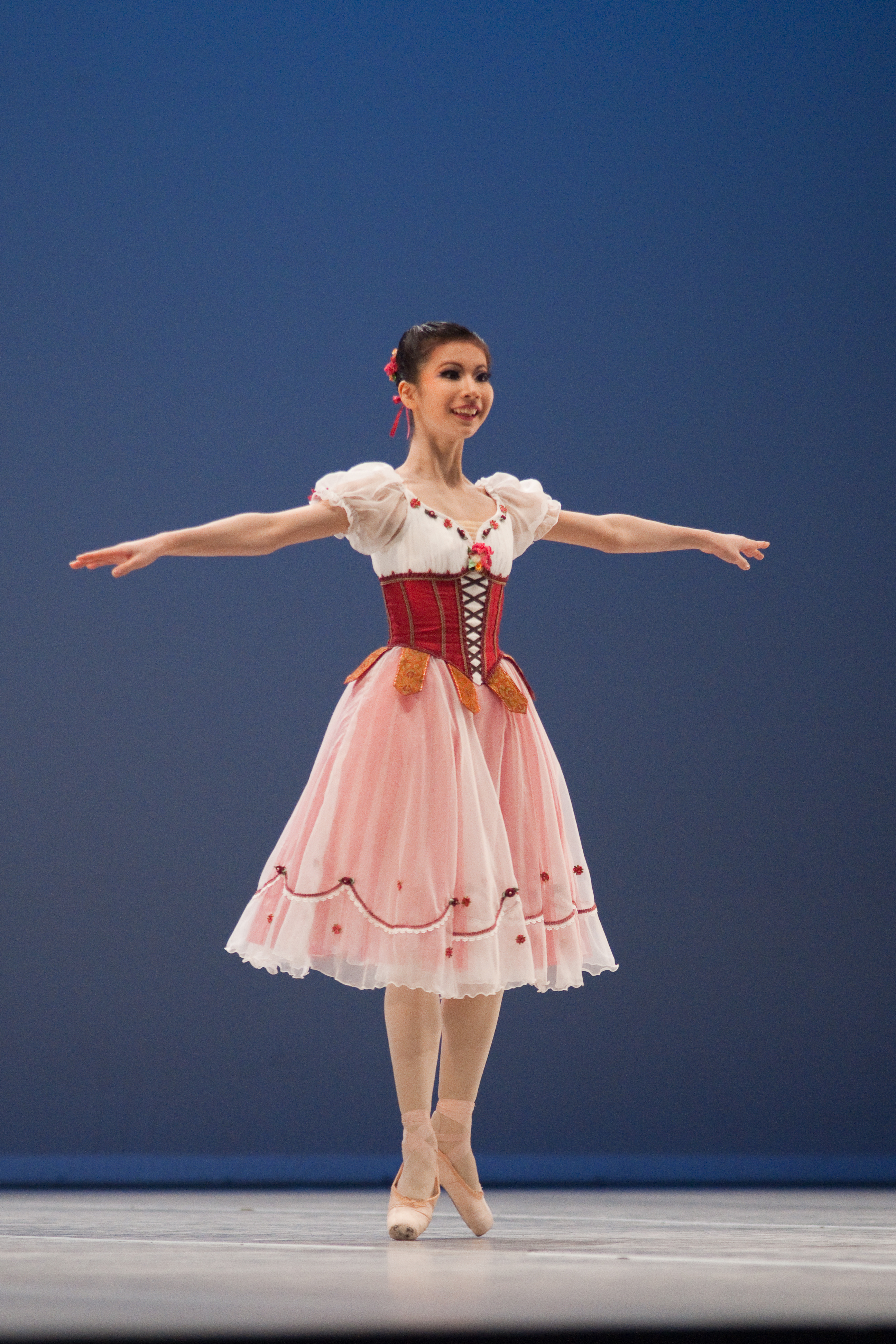
Dance styles are defined by their unique movement vocabulary, rhythmic patterns, spatial dynamics, and expressive qualities. Each style comprises a set of codified steps, gestures, and postures that are learned and replicated, though improvisation often plays a crucial role, particularly in genres like jazz and contemporary. The mechanics involve specific body isolations, coordination, and control, often requiring significant physical training and kinesthetic awareness. For instance, ballet emphasizes turnout, pointed feet, and precise lines, while breakdancing incorporates floor work, power moves, and intricate footwork. The transmission of these styles typically occurs through formal instruction in dance studios, apprenticeships, community gatherings, and increasingly, through digital platforms like YouTube and Instagram.
📊 Key Facts & Numbers
Globally, there are estimated to be over 10,000 distinct dance styles, ranging from ancient folk dances to modern street forms. The global dance market, encompassing performance, education, and social dance, was valued at approximately $15 billion in 2023 and is projected to grow. Ballet remains a cornerstone of classical performance, with major companies like the Bolshoi Ballet and the Royal Ballet attracting hundreds of thousands of patrons annually. Street dance styles, such as hip-hop and breakdancing, have seen explosive growth, with major competitions like the Red Bull BC One World Final drawing millions of online viewers. The rise of social media has further amplified the reach of dance, with TikTok alone hosting billions of views for user-generated dance challenges, often featuring simplified versions of existing styles or entirely new viral choreographies.
👥 Key People & Organizations
Key figures and organizations have been instrumental in shaping and popularizing dance styles. Pioneers like Marius Petipa choreographed seminal ballet works such as Swan Lake and The Sleeping Beauty. In the 20th century, choreographers like Martha Graham revolutionized modern dance, while Katherine Dunham fused African and Caribbean dance with modern techniques. The Hip Hop International organization promotes hip-hop dance globally through competitions and educational programs. Contemporary artists like Akram Khan continue to push boundaries by blending diverse cultural influences. Major institutions like The Juilliard School and Paris Opera Ballet serve as crucial centers for training and performance, preserving established styles while fostering new ones. The influence of music genres, from classical to EDM, is inseparable from the development of corresponding dance styles.
🌍 Cultural Impact & Influence
Dance styles are a powerful engine of cultural exchange and identity formation. They serve as a universal language, transcending linguistic barriers and fostering social connection, whether in the vibrant street cyphers of Harlem or the formal ballrooms of Vienna. Styles like Salsa and Tango have become global phenomena, carrying with them the cultural heritage of their origins. In performance arts, dance styles are central to theatre, film, and music videos, shaping visual culture and influencing fashion. The rise of K-pop has introduced intricate, synchronized choreography to a massive global audience, demonstrating the potent influence of stylized movement in contemporary entertainment. Dance styles also play a vital role in preserving cultural heritage, acting as living archives of history, tradition, and community values.
⚡ Current State & Latest Developments
The current landscape of dance styles is characterized by unprecedented cross-pollination and digital dissemination. TikTok and Instagram have become primary vectors for the creation and spread of new dance trends, often originating from amateur creators and rapidly going viral. This has led to a democratization of dance, but also to concerns about the ephemeral nature of these trends and the potential dilution of established styles. Hybrid genres are emerging, blending elements from disparate traditions, such as Afrobeat with contemporary or Bollywood with hip-hop. Furthermore, technological advancements are creating new avenues for expression, with motion capture technology being used in animation and VR offering immersive dance experiences.
🤔 Controversies & Debates
The globalization of dance styles is not without its controversies. Debates often arise around cultural appropriation, particularly when dominant cultures adopt and commercialize elements of marginalized traditions without proper attribution or understanding. The commercialization of dance, especially through social media, raises questions about authenticity and the commodification of cultural expression. There's also tension between the preservation of traditional dance forms and the drive for innovation. Some argue that the rapid spread of viral trends on platforms like TikTok can lead to a superficial engagement with dance, prioritizing fleeting popularity over deep understanding and technical mastery. The economic viability for professional dancers and choreographers in this rapidly shifting digital environment is also a significant point of contention.
🔮 Future Outlook & Predictions
The future of dance styles appears increasingly intertwined with technology and global connectivity. We can anticipate further hybridization as artists continue to experiment with cross-cultural fusions. The role of AI in choreography and performance is also a growing area of speculation, potentially leading to new forms of movement generation or interactive dance experiences. VR and AR will likely offer more immersive ways to experience and participate in dance, blurring the lines between performer and audience. The ongoing influence of social media platforms will continue to shape how styles emerge and evolve, potentially leading to more decentralized and participatory forms of dance creation. The challenge will be to balance this rapid evolution with the preservation of cultural heritage and the ethical considerations surrounding appropriation.
💡 Practical Applications
Dance styles have myriad practical applications beyond performance. They are integral to physical education programs worldwide, promoting fitness, coordination, and discipline. In therapeutic settings, dance therapy is used to address mental and emotional health challenges, leveraging movement as a form of expression and healing. Dance choreography is essential in filmmaking and theatre production to convey narrative and emotion. Furthermore, understanding movement patterns and styles can inform fields like ergonomics and human-computer interaction, by providing insights into human biomechanics and expressive communication. The principles of dance training, such as discipline, focus, and resilience, are also transferable skills valuable in many professional and personal pursuits.
Key Facts
- Year
- Ancient - Present
- Origin
- Global
- Category
- culture
- Type
- concept
Frequently Asked Questions
What is the oldest known dance style?
Pinpointing the single 'oldest' dance style is challenging, as dance likely predates recorded history. However, evidence of structured dance rituals dates back to prehistoric times, with cave paintings like those at Bhimbetka rock shelters in India (over 10,000 years old) depicting figures in dance-like poses. Ancient civilizations such as Egypt (c. 3000 BCE) and Greece also had well-documented ceremonial and social dances, suggesting a long and continuous evolution of various dance forms across different cultures.
How do new dance styles emerge?
New dance styles emerge through a combination of factors: cultural evolution, social movements, artistic innovation, and technological influence. Often, they arise organically from communities, blending existing movements with new ideas, much like hip-hop dance evolved from street culture in The Bronx. Choreographers and dancers also consciously create new styles by experimenting with different techniques, music, and concepts, as seen with pioneers of modern dance like Martha Graham. The digital age, particularly platforms like TikTok, has accelerated this process, allowing for rapid dissemination and modification of movements, leading to viral trends and hybrid styles.
What is the difference between a dance style and a dance genre?
While often used interchangeably, 'dance style' typically refers to a specific set of movements, techniques, and aesthetics within a broader category. For example, ballet is a style, but it falls under the broader genre of classical dance. Similarly, B-boying and Popping are distinct styles within the larger genre of hip-hop dance. A genre is a more encompassing classification, often defined by its historical period, cultural origin, or primary function, whereas a style is more about the specific 'how' of the movement itself.
How has technology impacted dance styles?
Technology has profoundly impacted dance styles by changing how they are created, learned, and shared. YouTube and Instagram have become global classrooms, allowing dancers worldwide to learn from and be inspired by others, accelerating the spread of trends. Motion capture technology is used in animation and film, influencing how movement is visualized. VR and AR are opening new frontiers for immersive dance performances and interactive experiences. Furthermore, digital music production has influenced the rhythms and structures of dance, leading to new styles synchronized with electronic and digital sounds.
What are the ethical considerations around dance styles?
A significant ethical debate revolves around cultural appropriation, where elements of a dance style from a marginalized culture are adopted by members of a dominant culture, often without understanding, credit, or benefit to the originators. This can lead to the commodification and dilution of cultural heritage. Another concern is the economic disparity in the dance world, where some styles and performers gain massive commercial success (especially via social media) while others, particularly those preserving traditional forms, struggle for recognition and funding. Ensuring respectful engagement and equitable benefit is crucial.
How can I learn a new dance style?
Learning a new dance style can be approached in several ways. The most traditional method is enrolling in classes at a dance studio or community center, where instructors provide structured learning and feedback. Online platforms like YouTube offer a vast array of tutorials for various styles, from ballet basics to complex hip-hop dance routines. Attending workshops or intensives can offer concentrated learning experiences. For styles with strong social components, like salsa or swing dance, attending social dance events and practicing with partners is essential. Observing and analyzing performances by skilled dancers in that style can also provide valuable insight.
What is the future of dance styles likely to involve?
The future of dance styles will likely be shaped by continued technological integration, global cultural exchange, and evolving societal values. Expect more fusion genres, blending diverse traditions and creating entirely new vocabularies. AI may play a role in choreography or performance analysis. VR and AR will offer new immersive performance and learning environments. There will also likely be an ongoing dialogue about authenticity, cultural heritage, and the ethical implications of dance's global spread and commercialization, potentially leading to more conscious and collaborative creation processes.