
Contents
Overview
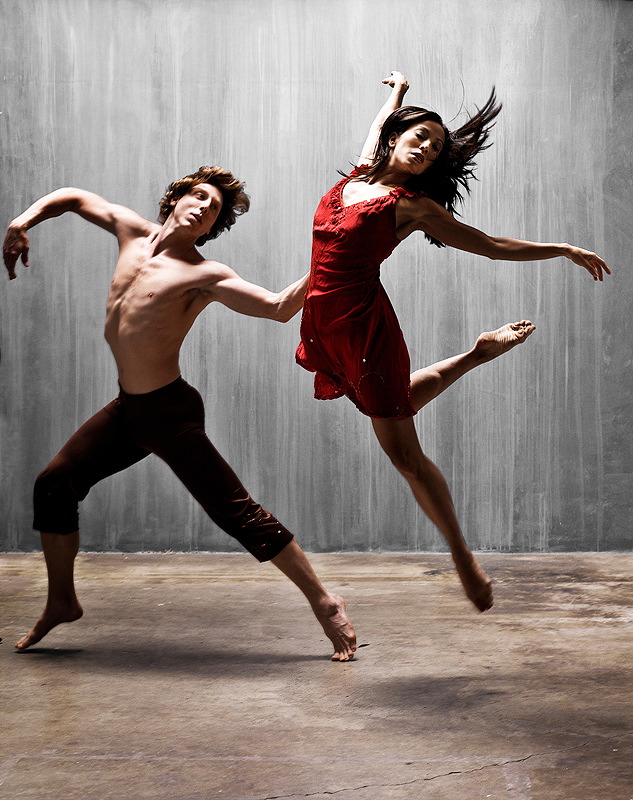
A dancer is an individual who practices and performs dance, an art form characterized by sequences of body movements, often imbued with aesthetic, symbolic, or expressive value. These movements can be meticulously choreographed or spontaneously improvised, typically synchronized with music but sometimes standing alone as a testament to physical storytelling. Dancers engage in a vast spectrum of styles, from the theatrical performances seen on stages worldwide to the participatory rhythms of social gatherings and the disciplined rigor of competitive arenas. Beyond performance, dance serves as a vital mode of physical expression, a potent form of exercise, and even a training discipline for other athletic pursuits. The role of the dancer spans millennia and cultures, embodying diverse traditions, rituals, and contemporary artistic expressions, making them central figures in the global cultural landscape.
🎵 Origins & History
The practice of dancing, and by extension the role of the dancer, is as old as human civilization itself. Ancient civilizations like those in Egypt, Greece, and Rome formalized dance, incorporating it into religious festivals, theatrical performances, and military training. The development of distinct dance forms, such as the classical Indian dances like Bharatanatyam and Kathak, or the courtly dances of Renaissance Europe, solidified the dancer's role as a skilled performer and cultural custodian. The 20th century saw the emergence of modern and contemporary dance, with pioneers like Martha Graham and Merce Cunningham challenging traditional forms and expanding the expressive vocabulary of the dancer.
⚙️ How It Works
At its core, a dancer's practice involves the precise and expressive manipulation of the body through space and time. Dancers train to achieve a high level of physical conditioning, including strength, flexibility, stamina, and coordination, often through rigorous daily routines. Choreography, whether pre-determined by a choreographer like George Balanchine or improvised by the dancer, involves the sequencing of movements, formations, and spatial patterns. Dancers must also develop significant artistry, conveying emotion, character, and narrative through their physicality, often in dialogue with musical scores provided by composers such as Igor Stravinsky or Philip Glass.
📊 Key Facts & Numbers
The global dancewear market, supplying apparel and footwear for dancers, is projected to reach over $10 billion by 2027.
👥 Key People & Organizations
Key figures in the history of dance include pioneers who revolutionized movement and performance. Isadora Duncan, often called the 'mother of modern dance,' broke free from the rigid structures of classical ballet in the early 20th century, emphasizing natural, free-flowing movement. Rudolf Nureyev and Mikhail Baryshnikov became international ballet superstars in the latter half of the 20th century, known for their technical prowess and dramatic stage presence. Contemporary choreographers like Bill T. Jones and Pina Bausch have pushed artistic boundaries, creating influential works with companies like the Bill T. Jones/Arnie Zane Dance Company and Tanztheater Wuppertal Pina Bausch. Organizations such as Jacob's Pillow Dance Festival and the Lincoln Center are crucial in presenting and supporting dance artists and companies worldwide.
🌍 Cultural Impact & Influence
The influence of the dancer extends far beyond the stage, permeating global culture. Dance styles originating from specific communities, such as Salsa from Latin America or Hip Hop from urban American centers, have achieved worldwide popularity, fostering cross-cultural exchange and understanding. The aesthetic and physicality of dancers are frequently referenced in fashion, advertising, and visual arts, influencing ideals of beauty and physical expression. Furthermore, the discipline and dedication required of dancers serve as an inspiration, highlighting the power of human perseverance and artistic commitment.
⚡ Current State & Latest Developments
The integration of virtual reality and augmented reality in dance is also an emerging area, with experimental projects exploring new forms of immersive performance.
🤔 Controversies & Debates
The role of the dancer is not without its controversies and debates. Historically, dancers, particularly women, have faced scrutiny regarding their professional status, often being perceived as entertainers rather than serious artists, a debate that continues to echo in discussions about compensation and respect within the industry. The physical demands of dance also raise concerns about injuries and the long-term health of performers, leading to ongoing discussions about training methodologies and athlete welfare. Furthermore, issues of cultural appropriation arise when dancers adopt or perform styles from cultures not their own without proper understanding or attribution, a point of contention particularly within genres like hip-hop and contemporary dance. The economic precarity of many dancers, often working on short-term contracts with limited benefits, remains a significant challenge, fueling debates about unionization and sustainable career models.
🔮 Future Outlook & Predictions
The future for dancers appears to be one of increasing adaptability and technological integration. We can anticipate a greater fusion of dance with emerging technologies like AI for choreography generation or motion capture for digital performance avatars. The rise of the 'creator economy' will likely empower more dancers to build independent careers, leveraging online platforms to monetize their skills and reach global audiences directly. There's also a projected growth in dance therapy and its application in healthcare settings, recognizing the profound impact of movement on mental and physical well-being. As global cultural exchange intensifies, we may see further hybridization of dance forms, creating entirely new genres that blend diverse movement vocabularies, potentially leading to a more fluid and globally interconnected dance landscape.
💡 Practical Applications
Dancers are essential to numerous practical applications beyond the concert stage. In physical therapy and rehabilitation, dance-based exercises are used to improve motor skills, balance, and coordination for individuals recovering from injuries or managing chronic conditions. Dance is also a powerful tool in education, used to teach concepts in mathematics, science, and history in engaging, kinesthetic ways, fo
Key Facts
- Category
- culture
- Type
- topic