
Contents
Overview
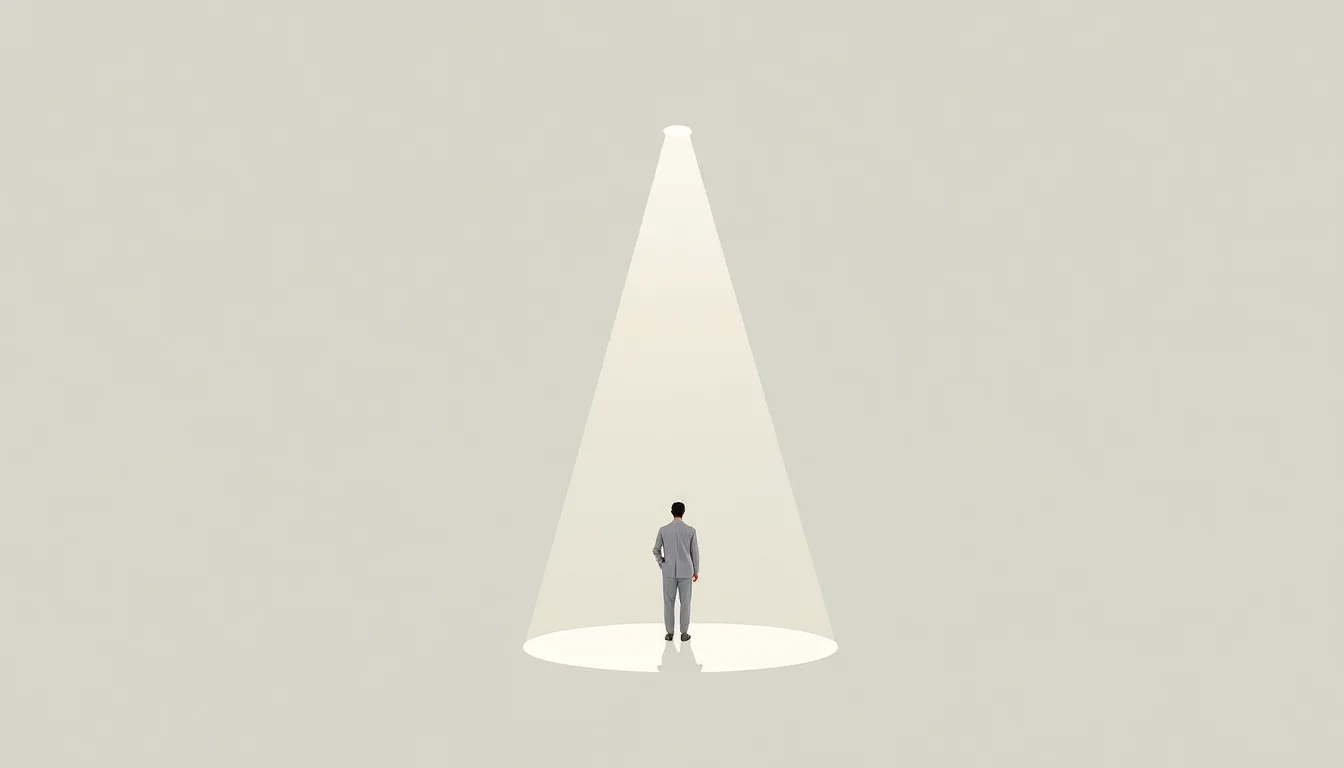
Delirious, in the context of Vibepedia's cultural mapping, refers not to a medical condition but to a specific, often ephemeral, artistic or cultural phenomenon. It encapsulates experiences that push the boundaries of perception, challenge conventional aesthetics, and evoke intense, sometimes disorienting, emotional responses. Think of it as a curated descent into the sublime, the absurd, or the intensely felt. These events or artworks are characterized by their ability to induce a state of heightened awareness, bordering on the ecstatic or the overwhelming, often through sensory overload, unconventional narratives, or profound conceptual depth. The goal is to move beyond passive observation into a more visceral, participatory engagement with the art or idea itself, creating a memorable, almost hallucinatory, encounter.
📍 Where to Experience Delirious
Experiencing 'Delirious' is less about a fixed geographical location and more about tapping into emergent cultural currents. While specific installations or performances might pop up in unexpected venues – from abandoned warehouses in Berlin to underground clubs in Tokyo – the essence of Delirious can often be found within the avant-garde scenes of major cultural hubs. Look for experimental art galleries, independent film festivals, underground music venues, and even certain performance art collectives that prioritize immersive and boundary-pushing work. Vibepedia tracks these fleeting manifestations, so checking our event listings for 'delirious' tagged occurrences is your best bet for finding current opportunities.
⏰ When to Go
The timing for experiencing Delirious is inherently unpredictable, mirroring the nature of its subject. These are rarely scheduled, long-running exhibitions. Instead, they tend to be pop-up events, limited-run performances, or thematic festivals that appear and disappear with a certain urgency. The best approach is to stay attuned to the pulse of experimental art and culture. Following key curators, artists known for challenging work, and niche cultural publications can provide early signals. Vibepedia’s real-time Vibe Scores for emerging scenes can also alert you to moments of peak cultural energy where 'delirious' experiences are likely to manifest.
💰 Admission & Ticketing
Admission and ticketing for Delirious experiences vary wildly, from entirely free, guerrilla art installations to high-priced, exclusive performances. Many of these events operate on a donation basis, with suggested contributions that reflect the artists' commitment to accessibility over commercial gain. Others, particularly those involving significant production or renowned artists, may require advance booking and can command premium prices, sometimes reaching into the hundreds of dollars for a single, transformative event. Always check the specific event listing on Vibepedia or the organizer's direct channels for the most accurate pricing and ticketing information.
⭐ Visitor Feedback
Visitor feedback on Delirious experiences is, by its very nature, polarized. Expect accounts ranging from profound enlightenment and life-altering epiphanies to utter confusion and a sense of being deliberately misled. Those who connect with the intent often describe feeling a profound sense of liberation, a reawakening of their senses, or a deep intellectual stimulation that lingers long after the event. Conversely, critics might label such experiences as pretentious, inaccessible, or simply chaotic. The common thread in positive reviews is the intensity of the experience and its departure from the mundane, while negative feedback often centers on a perceived lack of clarity or purpose.
🤔 Similar Experiences
If you're seeking experiences that induce a state akin to 'Delirious' but are perhaps more established or accessible, consider exploring immersive theater productions that place the audience within the narrative, or large-scale installation art that transforms entire spaces. Experimental film festivals often showcase works that play with perception and narrative structure in ways that can evoke similar feelings. For those interested in the psychological aspect, exploring curated psychedelic art exhibitions or events that focus on sensory deprivation and heightened states can also offer a related, though distinct, pathway.
💡 Pro-Tips for Your Visit
To maximize your encounter with a Delirious experience, arrive with an open mind and a willingness to surrender to the unknown. Avoid preconceived notions of what art or culture 'should' be. Wear comfortable clothing, as these events can sometimes involve movement or extended periods of standing. If photography or recording is prohibited, respect that; the intention is often to create a unique, unmediated moment. Be prepared for sensory input that might be intense – bright lights, loud sounds, or unusual textures. Engaging with fellow attendees, if appropriate, can sometimes deepen the collective experience, but prioritize your own internal journey.
🚀 Getting Started
To begin your journey into the realm of Delirious, start by exploring Vibepedia's curated lists of experimental art events and avant-garde cultural movements. Follow artists and collectives known for their boundary-pushing work – many of whom are profiled within our knowledge graph. Sign up for newsletters from niche galleries and cultural institutions in cities with vibrant underground scenes. The most direct route is to search Vibepedia for 'delirious' tagged events and monitor the Vibe Scores of emerging artistic subcultures. The key is proactive engagement; these experiences rarely announce themselves with fanfare.
Key Facts
- Year
- Early 20th Century (Conceptual Emergence)
- Origin
- Psychoanalysis, Surrealism
- Category
- Art & Culture
- Type
- Concept
Frequently Asked Questions
Is 'Delirious' a specific art movement or a general term?
'Delirious' is not a formally recognized art movement with a defined manifesto or historical period. Instead, Vibepedia uses it as a descriptor for a type of experience or artwork that intentionally aims to induce a state of heightened, often disorienting, perception. It's a functional label for art that prioritizes intense emotional or sensory impact over conventional narrative or aesthetic appeal, often found within various contemporary experimental art practices.
Can 'Delirious' experiences be harmful?
While 'Delirious' experiences are designed to be intense, they are generally not intended to be harmful. However, due to their nature, which can involve sensory overload or challenging themes, individuals with certain sensitivities (e.g., to flashing lights, loud noises, or intense psychological content) should exercise caution. Always check event advisories for specific content warnings. The goal is a profound, not a damaging, encounter.
How do I find 'Delirious' events near me?
The best way to find 'Delirious' events is to actively monitor Vibepedia's listings for experimental art, performance art, and underground cultural happenings. Follow artists and venues known for avant-garde work. Many of these events are ephemeral and promoted through niche channels, so staying connected to those specific subcultures is crucial. Vibepedia's real-time Vibe Scores can also highlight cities or scenes experiencing a surge in this type of creative output.
Are 'Delirious' events usually ticketed or free?
It's a mixed bag. Some 'Delirious' experiences are guerrilla art projects or community-driven performances that are free or operate on a donation basis. Others, especially those with significant production costs or featuring established avant-garde artists, can be ticketed and may carry a substantial price. Always check the specific event details provided on Vibepedia or the organizer's official channels for accurate pricing and ticketing information.
What kind of art falls under the 'Delirious' category?
This category encompasses a wide range of artistic expressions that aim for intense perceptual or emotional impact. Examples include highly immersive installations that alter spatial perception, performance art that pushes physical or psychological boundaries, experimental films that deconstruct narrative and visual logic, and sound art designed to overwhelm the senses. The common thread is the intent to evoke a state beyond ordinary consciousness.