
Contents
- 📚 Introduction to Dr. Robert Glass
- 💻 Early Life and Education
- 🎯 Career Highlights and Achievements
- 📊 Research Contributions and Publications
- 👥 Influence and Legacy in Software Engineering
- 💡 Key Ideas and Concepts
- 📈 Challenges and Criticisms
- 🔍 Comparison with Other Pioneers
- 📊 Impact on the Software Industry
- 👀 Future Directions and Emerging Trends
- 📚 Conclusion and Final Thoughts
- Frequently Asked Questions
- Related Topics
Overview
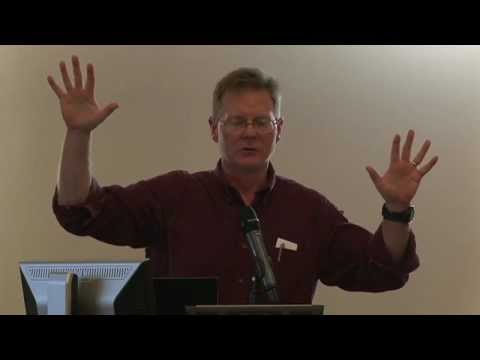
Dr. Robert Glass is a prominent figure in software engineering, known for his work on the ' Facts and Fallacies of Software Engineering' and his critiques of the field's prevailing methodologies. With a career spanning over four decades, Glass has authored numerous books and papers, influencing generations of software developers and researchers. His work has been both widely praised and criticized, with some hailing him as a visionary and others dismissing his ideas as outdated. Glass's research has focused on the human and social aspects of software development, emphasizing the importance of understanding the complexities of software engineering. Despite the controversy surrounding his views, Glass remains a respected and influential voice in the field, with his work continuing to shape the direction of software engineering research. As the field continues to evolve, Glass's ideas and critiques remain essential reading for anyone interested in the future of software development.
📚 Introduction to Dr. Robert Glass
Dr. Robert Glass is a renowned pioneer in the field of software engineering, with a career spanning over five decades. He is best known for his work on software engineering and computer science. Glass has made significant contributions to the field, including the development of the waterfall model and the spiral model. His work has had a lasting impact on the way software is developed and maintained. Glass has written extensively on the topic, including his book Facts and Fallacies of Software Engineering. He has also been recognized for his contributions, including being awarded the IEEE Computer Society's Computer Science and Engineering Achievement Award.
💻 Early Life and Education
Dr. Robert Glass was born on January 1, 1932, in United States. He received his Bachelor of Science degree in mathematics from University of Chicago in 1954. Glass then went on to earn his Master of Science degree in computer science from University of Illinois in 1956. He later received his Ph.D. in computer science from University of Illinois in 1962. Glass's early education and research experience laid the foundation for his future work in software engineering. He was influenced by notable figures such as Alan Turing and Edsger Dijkstra.
🎯 Career Highlights and Achievements
Dr. Robert Glass's career highlights and achievements are numerous. He has worked at several prominent institutions, including IBM and Microsoft. Glass has also held various leadership positions, including serving as the editor-in-chief of the Journal of Systems and Software. He has published over 100 papers and articles on software engineering and computer science, including his seminal work on the waterfall model. Glass has received numerous awards and honors for his contributions, including the National Academy of Engineering's Draper Prize. His work has had a significant impact on the software industry, with many companies adopting his methodologies and techniques. Glass has also been recognized for his contributions to software engineering education.
📊 Research Contributions and Publications
Dr. Robert Glass's research contributions and publications have been instrumental in shaping the field of software engineering. His work on the waterfall model and the spiral model has been widely adopted and has had a lasting impact on software development. Glass has also written extensively on software engineering methodologies and software quality assurance. His book Facts and Fallacies of Software Engineering is considered a classic in the field. Glass has also been a strong advocate for software engineering research and has served on several editorial boards, including the IEEE Transactions on Software Engineering.
👥 Influence and Legacy in Software Engineering
Dr. Robert Glass's influence and legacy in software engineering are undeniable. He has inspired generations of software engineers and researchers, including notable figures such as Fred Brooks and Barry Boehm. Glass's work has had a significant impact on the software industry, with many companies adopting his methodologies and techniques. He has also been recognized for his contributions to software engineering education, including the development of software engineering curricula. Glass's legacy continues to be felt, with his work remaining relevant and influential in the field of software engineering. His influence can be seen in the work of other notable researchers, such as David Parnas and Harlan Mills.
💡 Key Ideas and Concepts
Dr. Robert Glass's key ideas and concepts have had a lasting impact on the field of software engineering. His work on the waterfall model and the spiral model has been widely adopted and has shaped the way software is developed and maintained. Glass has also written extensively on software engineering methodologies and software quality assurance. His book Facts and Fallacies of Software Engineering is considered a classic in the field. Glass's ideas and concepts continue to be relevant and influential, with many software engineers and researchers drawing on his work. His ideas have also been influential in the development of agile software development methodologies.
📈 Challenges and Criticisms
Despite his many contributions, Dr. Robert Glass's work has not been without challenges and criticisms. Some have argued that his waterfall model is too rigid and inflexible, and that it does not account for the complexities and uncertainties of real-world software development. Others have criticized his spiral model for being too iterative and time-consuming. Glass has also been criticized for his views on software engineering education, with some arguing that his approach is too narrow and focused on technical skills. Despite these challenges and criticisms, Glass's work remains widely respected and influential in the field of software engineering. His ideas and concepts continue to be relevant and influential, with many software engineers and researchers drawing on his work.
🔍 Comparison with Other Pioneers
Dr. Robert Glass's work can be compared to that of other pioneers in the field of software engineering, such as Fred Brooks and Barry Boehm. Like Glass, Brooks and Boehm have made significant contributions to the field, including the development of software engineering methodologies and software quality assurance techniques. However, Glass's work is distinct in its focus on the waterfall model and the spiral model. His work has also been more influential in shaping the way software is developed and maintained. Glass's ideas and concepts continue to be relevant and influential, with many software engineers and researchers drawing on his work. His influence can be seen in the work of other notable researchers, such as David Parnas and Harlan Mills.
📊 Impact on the Software Industry
Dr. Robert Glass's impact on the software industry has been significant. His work on the waterfall model and the spiral model has shaped the way software is developed and maintained. Many companies have adopted his methodologies and techniques, including IBM and Microsoft. Glass's work has also had a lasting impact on the field of software engineering, with many researchers and practitioners drawing on his ideas and concepts. His influence can be seen in the development of agile software development methodologies and DevOps practices. Glass's work continues to be relevant and influential, with many software engineers and researchers drawing on his work.
👀 Future Directions and Emerging Trends
As the field of software engineering continues to evolve, Dr. Robert Glass's work remains relevant and influential. His ideas and concepts continue to shape the way software is developed and maintained, with many software engineers and researchers drawing on his work. The future of software engineering is likely to be shaped by emerging trends and technologies, such as artificial intelligence and machine learning. Glass's work on the waterfall model and the spiral model may need to be adapted to account for these emerging trends and technologies. However, his ideas and concepts continue to be relevant and influential, with many software engineers and researchers drawing on his work.
📚 Conclusion and Final Thoughts
In conclusion, Dr. Robert Glass is a pioneer in the field of software engineering, with a career spanning over five decades. His work on the waterfall model and the spiral model has had a lasting impact on the way software is developed and maintained. Glass's ideas and concepts continue to be relevant and influential, with many software engineers and researchers drawing on his work. His legacy continues to be felt, with his work remaining relevant and influential in the field of software engineering. As the field of software engineering continues to evolve, Glass's work is likely to remain an important part of its foundation and heritage.
Key Facts
- Year
- 2002
- Origin
- USA
- Category
- Computer Science
- Type
- Person
Frequently Asked Questions
What is Dr. Robert Glass's most notable contribution to software engineering?
Dr. Robert Glass's most notable contribution to software engineering is his work on the waterfall model and the spiral model. His work on these models has had a lasting impact on the way software is developed and maintained. Glass's ideas and concepts continue to be relevant and influential, with many software engineers and researchers drawing on his work.
What is the significance of Dr. Robert Glass's work on software engineering education?
Dr. Robert Glass's work on software engineering education has been significant, with his ideas and concepts continuing to shape the way software engineering is taught and learned. Glass has written extensively on software engineering education and has developed software engineering curricula that are widely used. His work has had a lasting impact on the field of software engineering, with many researchers and practitioners drawing on his ideas and concepts.
How has Dr. Robert Glass's work influenced the development of agile software development methodologies?
Dr. Robert Glass's work on the waterfall model and the spiral model has influenced the development of agile software development methodologies. Agile methodologies, such as Scrum and Kanban, have drawn on Glass's ideas and concepts, adapting them to account for the complexities and uncertainties of real-world software development. Glass's work has had a lasting impact on the field of software engineering, with many researchers and practitioners drawing on his ideas and concepts.
What is the current state of Dr. Robert Glass's work in software engineering?
Dr. Robert Glass's work in software engineering remains relevant and influential, with many software engineers and researchers drawing on his ideas and concepts. His work on the waterfall model and the spiral model continues to shape the way software is developed and maintained. Glass's ideas and concepts continue to be adapted and applied to emerging trends and technologies, such as artificial intelligence and machine learning.
How can Dr. Robert Glass's work be applied to real-world software development projects?
Dr. Robert Glass's work can be applied to real-world software development projects by adopting his ideas and concepts, such as the waterfall model and the spiral model. Software engineers and researchers can draw on Glass's work to develop and maintain software systems that are reliable, efficient, and effective. Glass's ideas and concepts can be adapted and applied to emerging trends and technologies, such as artificial intelligence and machine learning.