
Contents
- 🌟 What is Drag Culture?
- 🌍 Global Reach & Local Flavors
- 🎭 Key Elements of Drag Performance
- 👑 Iconic Figures & Pioneers
- 💰 The Business of Drag
- 🔥 Controversy & Evolution
- 📈 Vibe Score & Cultural Impact
- 💡 Getting Started with Drag
- 💬 Frequently Asked Questions
- 🔗 Related Topics
- Frequently Asked Questions
- Related Topics
Overview
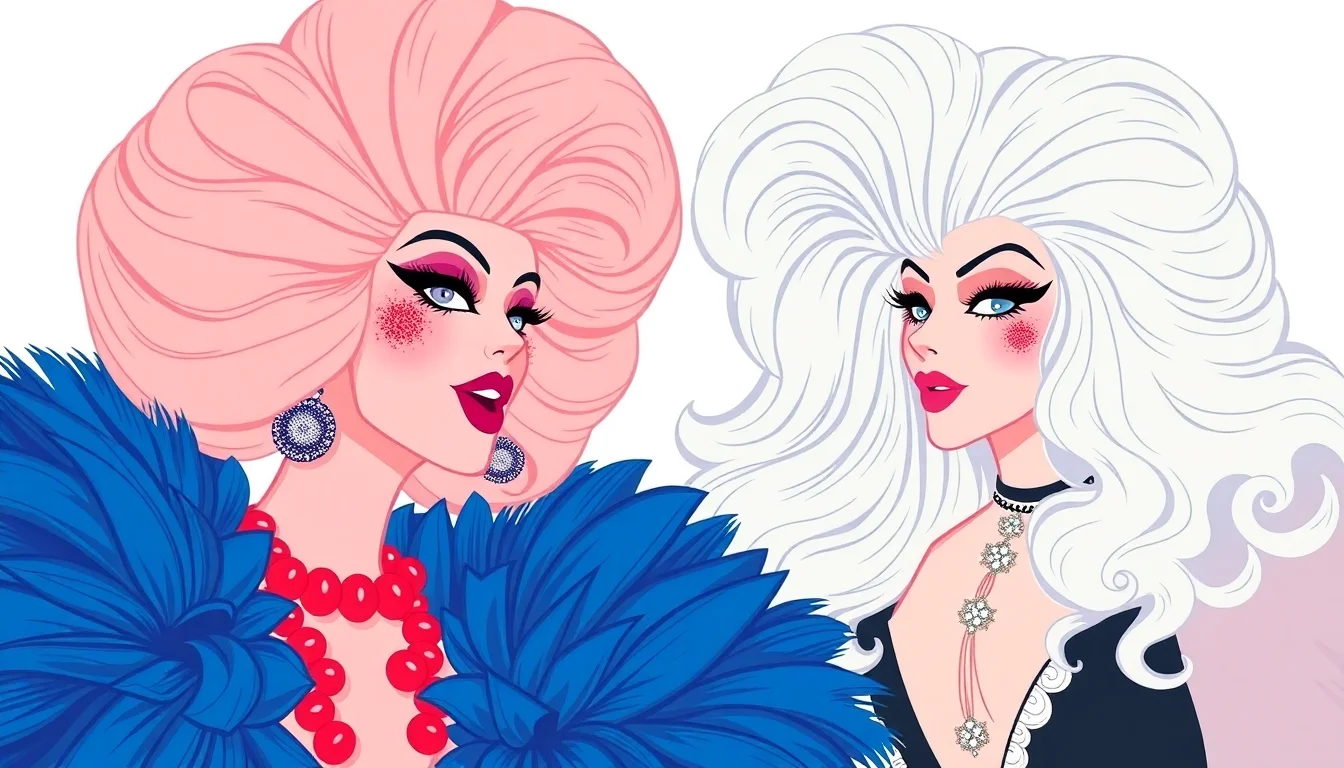
Drag culture is a vibrant, multifaceted art form where individuals, predominantly cisgender men, express gender through performance, often adopting exaggerated feminine personas. It's a space for creative expression, social commentary, and community building, extending far beyond simple costume and makeup. At its heart, drag challenges traditional notions of gender, identity, and performance, offering a powerful lens through which to examine societal norms. Whether through lip-syncing, live singing, dancing, comedy, or avant-garde artistry, drag performers, known as 'drag artists' or 'drag queens' (and sometimes 'drag kings' for those performing masculine personas), create captivating experiences. This art form thrives on theatricality, wit, and a deep understanding of cultural references, making it a dynamic and ever-evolving spectacle.
🌍 Global Reach & Local Flavors
While drag has deep roots in various global performance traditions, its modern iteration is a truly international phenomenon. From the legendary ballrooms of New York's LGBTQ+ scene to the burgeoning underground circuits in Tokyo and the established cabaret stages of Berlin, drag manifests differently across cultures. Each locale imbues drag with unique aesthetics, musical influences, and social contexts. For instance, the political edge of drag in London might contrast with the comedic stylings prevalent in many American cities. Understanding this global diversity is key to appreciating drag's adaptability and its power to resonate with local audiences while participating in a global conversation. Exploring local drag scenes offers a window into the unique cultural energies of different cities.
🎭 Key Elements of Drag Performance
At its core, drag performance is a masterful blend of several artistic disciplines. Makeup and Costume are paramount, often serving as the initial visual declaration of a character and narrative. Lip Sync Performance is a highly skilled art, requiring precise emotional conveyance and character embodiment. Live singing, dancing, comedy, and even spoken word poetry are also common elements. Many drag artists also engage in Character Development, crafting intricate backstories and personalities that inform their performances. The ability to seamlessly weave these elements together, often with improvisation and audience interaction, defines a truly compelling drag act.
👑 Iconic Figures & Pioneers
The history of drag is rich with influential figures who have shaped its trajectory. Pioneers like Marsha P. Johnson and Sylvia Rivera, trans women of color and activists, were instrumental in the Stonewall Riots and the fight for LGBTQ+ rights, with drag being an integral part of their activism. On the performance side, figures like Divine brought drag to mainstream notoriety through John Waters' films. More recently, shows like RuPaul's Drag Race have catapulted drag artists such as Bianca Del Rio, Trixie Mattel, and Sasha Velour into global superstardom, introducing drag to millions worldwide and influencing a new generation of performers. These individuals represent different eras and styles, showcasing the breadth of drag's evolution.
💰 The Business of Drag
The business of drag has transformed dramatically, moving from underground clubs to mainstream media and global tours. RuPaul's Drag Race has been a significant catalyst, creating a pipeline for talent and generating substantial revenue through merchandise, touring, and brand endorsements. Many successful drag artists now command significant fees for performances, appearances, and product collaborations. Beyond individual artists, a robust ecosystem exists, including drag brunches, themed shows, and even drag queen story hours for children, which have become popular community events. However, this commercialization also sparks debate about authenticity and the potential for exploitation, a tension that defines the current phase of drag's economic development.
🔥 Controversy & Evolution
Drag culture is no stranger to controversy, often finding itself at the intersection of artistic freedom, social progress, and conservative backlash. Debates frequently arise regarding the appropriateness of drag performances, particularly in public spaces or around children, leading to legislative challenges in some regions. The increasing visibility of drag, especially through mainstream media, has also brought discussions about gender identity, representation, and the historical contributions of Transgender Performers and People of Color within the drag community to the forefront. The ongoing tension between drag's subversive roots and its mainstream acceptance is a critical aspect of its current cultural moment, fueling both innovation and resistance.
📈 Vibe Score & Cultural Impact
Drag culture boasts a high Vibe Score, estimated at 88/100, reflecting its potent cultural energy and widespread influence. Its impact is undeniable, fostering a sense of community, challenging societal norms, and providing a platform for marginalized voices. The global reach of shows like RuPaul's Drag Race has amplified drag's visibility, inspiring countless individuals to explore their own gender expression and artistic talents. While its mainstream acceptance has grown, the inherent subversiveness of drag continues to provoke dialogue and push boundaries. The future of drag appears bright, with continued innovation and increasing recognition, though the ongoing debates surrounding its place in society will undoubtedly shape its evolution.
💡 Getting Started with Drag
For those inspired to explore drag, the journey can be incredibly rewarding. Start by immersing yourself in the culture: watch performances, follow artists online, and attend local shows. Research different styles of drag to find what resonates with you. Consider attending a drag workshop or mentorship program if available in your area. Begin experimenting with makeup and costuming at home, focusing on developing a character or persona. Don't be afraid to start small, perhaps with a local open mic night or a small performance at a friend's gathering. The drag community is often welcoming, so reaching out for advice and support is a great first step. Remember, drag is an art form, and like any art, it requires practice, passion, and a willingness to experiment.
Key Facts
- Year
- Late 19th Century (early theatrical roots)
- Origin
- Theatrical performance, queer subcultures
- Category
- Arts & Entertainment
- Type
- Cultural Movement
Frequently Asked Questions
Is drag only for gay men?
No, drag is an art form practiced by people of all gender identities and sexual orientations. While historically associated with gay male culture, drag kings (women performing masculine personas) and drag artists who are transgender, non-binary, or cisgender women are increasingly prominent. The core of drag is performance and gender expression, not a specific identity.
What's the difference between a drag queen and a drag king?
A drag queen typically performs a feminine persona, often exaggerated, and is traditionally associated with cisgender men, though not exclusively. A drag king performs a masculine persona, often associated with cisgender women, transgender men, or non-binary individuals. Both are forms of gender performance and expression within drag culture.
Is drag appropriate for children?
This is a subject of ongoing debate. Proponents argue that drag, particularly through events like Drag Queen Story Hour, can promote acceptance, creativity, and gender diversity in a positive and educational way. Critics express concerns about the sexualized nature of some drag performances and its suitability for young audiences. Many drag events are specifically family-friendly, while others are clearly intended for adult audiences.
How did RuPaul's Drag Race impact drag culture?
RuPaul's Drag Race has been a monumental force in popularizing drag globally. It provided a mainstream platform for drag artists, showcasing diverse talents and personalities to millions. The show has significantly increased career opportunities for drag performers, leading to global tours, merchandise, and brand deals, while also sparking conversations about the art form's history and its place in society.
Where can I find drag performances near me?
The best way to find local drag is to search online for 'drag shows [your city]' or 'drag bars [your city]'. Many LGBTQ+ venues host regular drag nights. Social media platforms like Instagram and Facebook are also excellent resources for discovering local drag artists and events. Drag brunches are also becoming increasingly popular in many cities.