
Contents
Overview
Drainage refers to the natural or artificial removal of excess surface and subsurface water from an area. This process is critical for preventing waterlogging, which can damage infrastructure, harm ecosystems, and impede agricultural productivity. While natural drainage systems, like river basins, have shaped landscapes for millennia, human intervention through engineered solutions—from simple ditches to complex urban stormwater management networks—has become essential for modern civilization. The effectiveness of drainage directly impacts land use, public health, and environmental sustainability, making it a fundamental aspect of civil engineering and environmental science. The scale of drainage challenges ranges from individual property management to continental-scale watershed planning, involving intricate hydrological principles and diverse technological applications.
🎵 Origins & History
The concept of drainage is as old as human settlement, with early civilizations recognizing the need to manage water. The Romans, renowned engineers, constructed extensive aqueduct systems that not only supplied water but also incorporated sophisticated subsurface drainage for roads and buildings, preventing structural damage from saturated ground. Medieval Europe saw the development of fen drainage in regions like the Netherlands, a monumental effort to reclaim land for agriculture, often involving windmills and complex canal networks. The Industrial Revolution further accelerated the need for drainage, particularly in burgeoning urban centers plagued by sanitation issues and flooding, leading to the widespread implementation of sewer systems and storm drains.
⚙️ How It Works
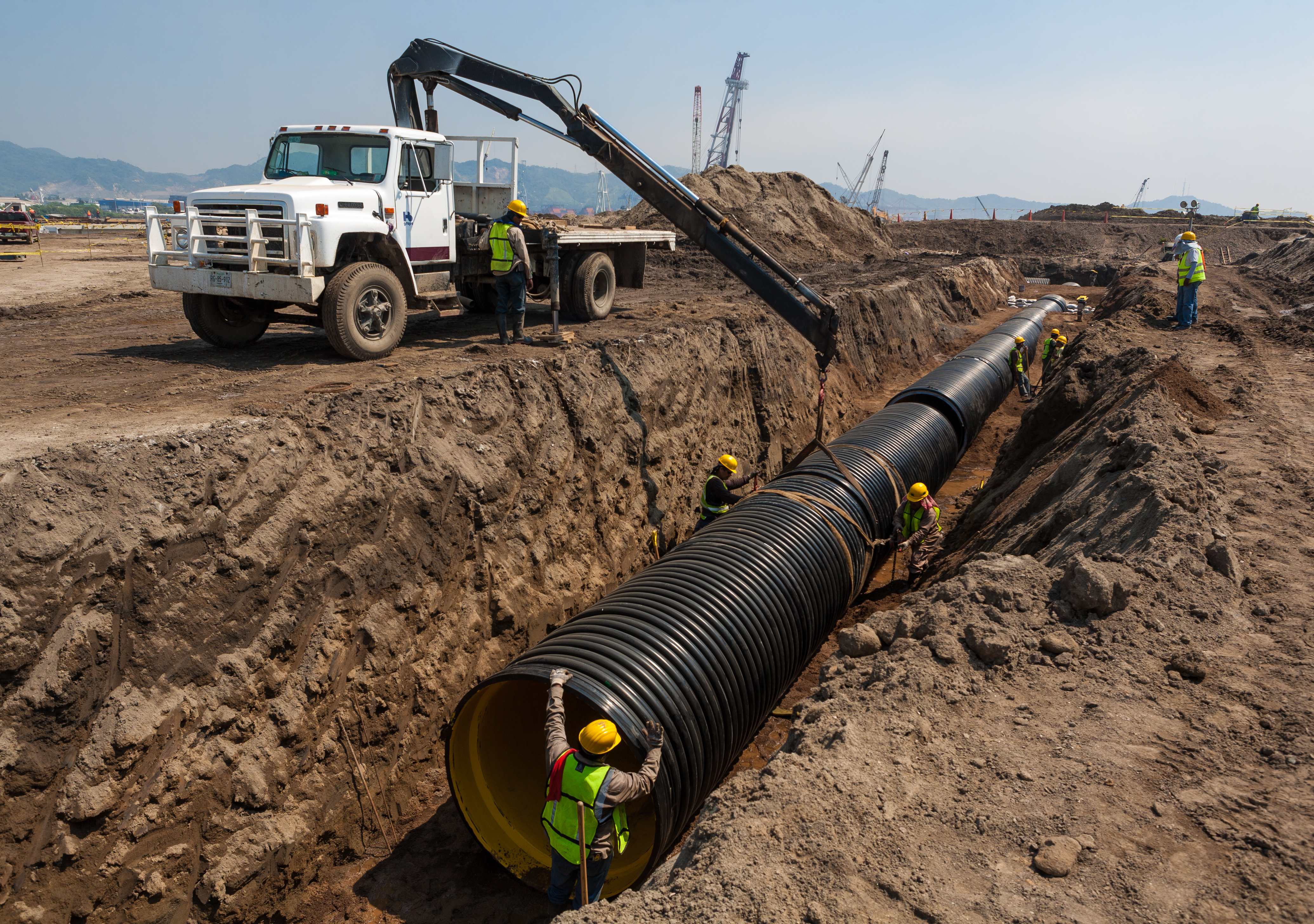
Drainage operates on fundamental hydrological principles, primarily focusing on gravity-driven water flow. Natural drainage occurs through watersheds or basins, where precipitation collects and flows towards a common outlet, such as a river, lake, or ocean. Engineered drainage systems utilize a network of conduits—ditches, pipes, culverts, and storm drains—to intercept and convey excess water away from sensitive areas. Subsurface drainage, crucial for agriculture and construction, involves installing perforated pipes or gravel-filled trenches below ground to lower the water table and prevent root zone saturation. The design of these systems considers factors like soil permeability, rainfall intensity, topography, and the desired outflow rate to ensure efficient water removal without causing erosion or downstream flooding.
📊 Key Facts & Numbers
Globally, the global market for drainage systems was valued at approximately $30 billion in 2023 and is projected to grow, driven by urbanization and the increasing frequency of extreme weather events. In the United States, over 57 million acres of farmland rely on artificial drainage systems, a significant portion of the nation's agricultural land. Urban flooding costs the U.S. an average of $8.7 billion annually, underscoring the economic imperative for robust stormwater drainage infrastructure. In the Netherlands, roughly 26% of the country lies below sea level, necessitating continuous management of extensive drainage and polder systems that protect over 60% of its population.
👥 Key People & Organizations
Key figures in drainage history include Cornelis Lely, the Dutch engineer who designed the Afsluitdijk, a monumental barrier that transformed the Zuiderzee into a freshwater lake and enabled extensive land reclamation and drainage. John Snow, a physician, famously linked cholera outbreaks in London to contaminated water sources, indirectly emphasizing the importance of effective sanitation and drainage systems for public health. Organizations like the U.S. Army Corps of Engineers play a massive role in designing, constructing, and maintaining major drainage and flood control projects. The International Commission on Irrigation and Drainage (ICID) is a global non-profit organization that promotes sustainable water management practices, including drainage, across its member countries.
🌍 Cultural Impact & Influence
Drainage has profoundly shaped human civilization, enabling agriculture in previously unusable lands and facilitating the growth of dense urban centers. The development of extensive drainage networks in regions like the Fens of England and the polders of the Netherlands fundamentally altered landscapes and economies, allowing for increased food production and population density. Conversely, inadequate drainage has historically led to widespread disease, such as cholera and malaria, due to stagnant water and poor sanitation. The aesthetic of many landscapes, from manicured parks to agricultural fields, is a direct result of managed drainage, shaping our visual and experiential relationship with the environment. The engineering feats involved in drainage projects, like the Zuiderzee Works, have also become cultural landmarks, symbolizing human ingenuity in conquering natural challenges.
⚡ Current State & Latest Developments
Current developments in drainage are increasingly focused on green infrastructure and Sustainable Drainage Systems (SuDS). These approaches integrate natural processes, such as permeable pavements, rain gardens, and bioswales, into urban environments to manage stormwater runoff more effectively and reduce the burden on traditional gray infrastructure. Advances in smart city technology are leading to sensor-equipped drainage networks that can monitor water levels, predict flooding, and optimize flow in real-time. Furthermore, research is exploring the use of artificial intelligence and machine learning to model complex hydrological systems and improve the predictive capabilities of drainage management, especially in the face of climate change-induced extreme weather events.
🤔 Controversies & Debates
A significant controversy surrounds the environmental impact of conventional drainage. Debates also arise over the equitable distribution of drainage benefits and burdens, particularly in transboundary watersheds, where upstream drainage activities can negatively affect downstream communities. The cost of maintaining and upgrading aging urban drainage infrastructure, often billions of dollars globally, presents a continuous financial and political challenge.
🔮 Future Outlook & Predictions
The future of drainage is inextricably linked to climate change adaptation and mitigation. Expect a continued shift towards nature-based solutions and green infrastructure, with an increasing emphasis on multifunctional landscapes that manage water while providing ecological and social benefits. The integration of IoT sensors and advanced analytics will enable more responsive and predictive drainage systems, capable of anticipating and mitigating flood risks. Furthermore, as water scarcity intensifies in many regions, drainage systems may increasingly be designed not just for removal but also for water harvesting and reuse, transforming them from mere conduits to integral components of water resource management. The development of resilient infrastructure capable of handling more intense rainfall events will be paramount.
💡 Practical Applications
Drainage has myriad practical applications across diverse sectors. In agriculture, subsurface drainage is vital for improving soil aeration, enabling earlier planting, and increasing crop yields by preventing waterlogged conditions. For urban development and construction, effective surface and subsurface drainage prevents structural damage to buildings, roads, and utilities, ensuring longevity and safety. Municipalities rely on extensive storm drain systems to prevent street flooding, protect public health by removing stagnant water that can breed disease vectors, and manage the quality of stormwater runoff before it enters natural waterways. In mining and industrial operations, dewatering is a critical process to access mineral deposits or ensure the stability of excavation sites.
Key Facts
- Category
- nature
- Type
- topic