
Contents
Overview
The genesis of electronic health records can be traced back to the mid-20th century, with early concepts laying theoretical groundwork. However, widespread adoption remained elusive until the late 1990s and early 2000s, spurred by advancements in computing power and networking. A pivotal moment arrived with the HITECH Act of 2009 in the United States, which incentivized healthcare providers to adopt certified EHRs through Medicare and Medicaid payments, dramatically accelerating implementation. Early pioneers like Epic Systems and Cerner (now part of Oracle Health) emerged as dominant forces, shaping the market through proprietary systems that often prioritized comprehensive functionality over interoperability.
⚙️ How It Works
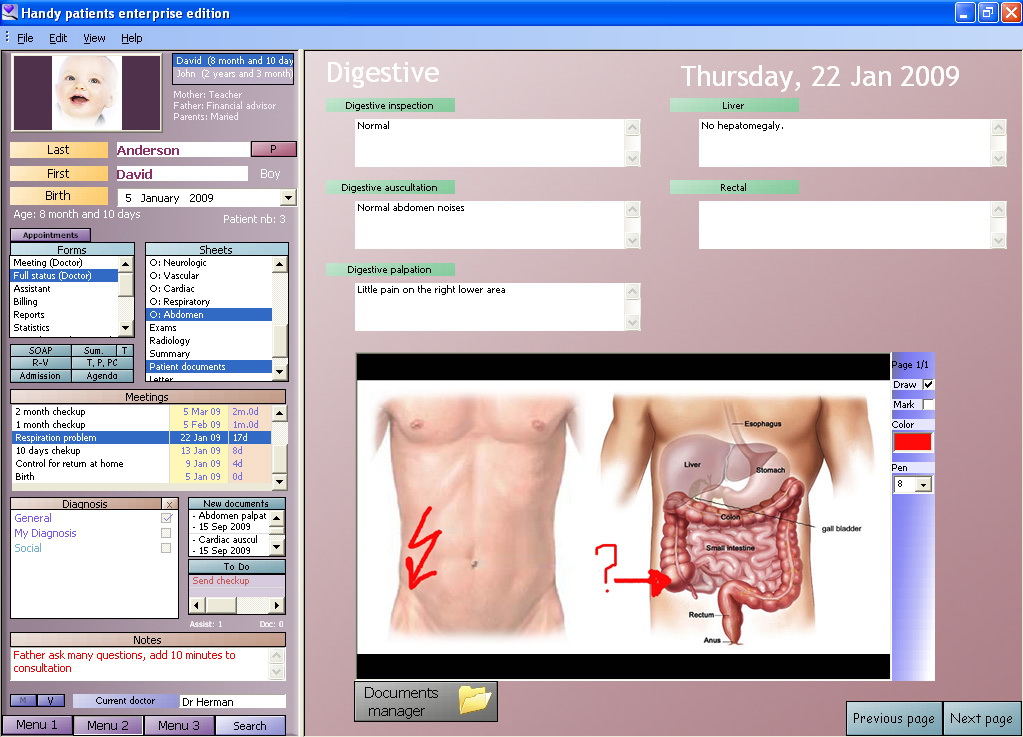
At its core, an EHR system functions as a digital database for patient health information. It captures data from various sources: clinician input via structured forms and free text, automated feeds from medical devices (like blood pressure monitors and ventilators), and interfaces with laboratory information systems (LIS) and radiology information systems (RIS). Key components include patient demographics, medical history, medication lists, allergy records, immunization registries, problem lists, progress notes, and often clinical decision support tools that flag potential drug interactions or recommend preventive screenings. Data is typically stored in a centralized database, accessible via secure logins by authorized healthcare professionals within a hospital network or affiliated clinics. Interoperability, the ability for different EHR systems to exchange and interpret this data seamlessly, is achieved through standardized formats like Health Level Seven (HL7) and Fast Healthcare Interoperability Resources (FHIR).
📊 Key Facts & Numbers
The global EHR market continues to grow, driven by government mandates and the increasing demand for digital health solutions. Despite widespread adoption, only about 10-20% of EHR data is estimated to be truly interoperable across different systems.
👥 Key People & Organizations
Several key figures and organizations have profoundly shaped the EHR landscape. Judy Faulkner, founder and CEO of Epic Systems, has led one of the most dominant EHR vendors, influencing healthcare data management for millions. Cerner Corporation (now Oracle Health) has been another titan, with its systems deployed in numerous healthcare systems globally. Government bodies like the Office of the National Coordinator for Health Information Technology (ONC) in the U.S. have played a crucial role in setting standards and driving adoption through policy and funding. Organizations like Health Level Seven International (HL7) are critical for developing the technical standards (like FHIR) that enable interoperability.
🌍 Cultural Impact & Influence
EHR systems have fundamentally altered the practice of medicine and patient experience. They've shifted the focus from paper-based, often fragmented records to a more centralized, digital narrative of a patient's health journey. This has enabled new forms of clinical research, allowing for large-scale analysis of patient populations to identify trends and test treatment efficacy, as demonstrated by studies published in journals like the Journal of the American Medical Informatics Association. For patients, features like patient portals offer unprecedented access to their own health data, fostering greater engagement. However, the cultural impact is also marked by the rise of 'physician burnout,' often attributed to the administrative burden and usability issues associated with poorly designed EHR interfaces, a phenomenon widely discussed in medical journals and by organizations like the American Medical Association.
⚡ Current State & Latest Developments
The current landscape of EHRs is characterized by a push towards greater interoperability, driven by regulations like the 21st Century Cures Act in the U.S., which mandates improved data sharing. Vendors are increasingly adopting FHIR standards to facilitate this. Cloud-based EHR solutions are gaining traction, offering scalability and potentially lower upfront costs compared to on-premise systems. Artificial intelligence (AI) and machine learning (ML) are being integrated to enhance clinical decision support, automate administrative tasks, and analyze vast datasets for predictive insights. Companies like Google Health and Microsoft Healthcare are investing heavily in AI-driven health technologies that can interface with EHR data. The focus is shifting from mere data storage to actionable intelligence derived from that data.
🤔 Controversies & Debates
The controversies surrounding EHRs are numerous and persistent. A primary debate centers on interoperability: despite decades of effort and standardized protocols like FHIR, truly seamless data exchange between disparate systems remains a significant challenge, often hindered by vendor competition and proprietary data formats. Physician burnout is another major point of contention, with many clinicians reporting that EHRs increase administrative burdens, detract from patient face-time, and contribute to stress and dissatisfaction. Data security and privacy are ongoing concerns, with high-profile breaches exposing sensitive patient information, raising questions about the robustness of security measures employed by EHR vendors and healthcare institutions. The cost of implementation and maintenance also remains a barrier, particularly for smaller practices and rural hospitals.
🔮 Future Outlook & Predictions
The future of EHRs points towards deeper integration with AI, telehealth platforms, and wearable health devices. We can expect EHRs to evolve from static record-keepers into dynamic health management hubs. Predictive analytics will likely become more sophisticated, identifying patients at high risk for certain conditions or hospital readmissions. Blockchain technology is being explored as a potential solution for enhancing data security and patient control over their health information. Furthermore, the concept of a longitudinal, patient-controlled health record, accessible across all care settings and potentially owned by the patient, is gaining momentum, challenging the current vendor-centric model. The ultimate goal is a system that not only records but actively guides and optimizes patient care.
💡 Practical Applications
EHR systems have a wide array of practical applications across the healthcare spectrum. They are indispensable for primary care physicians managing chronic conditions, enabling them to track patient progress, manage prescriptions, and coordinate care with specialists. In hospital settings, EHRs streamline admissions, manage patient flow, facilitate order entry for labs and medications, and support billing processes. [[Public health organizations|Public health
Key Facts
- Category
- technology
- Type
- topic