
Contents
Overview
The English countryside is a vast, idealized rural landscape that has profoundly shaped national identity and global perceptions of England. Far from being a static natural preserve, it is a meticulously managed environment, a product of centuries of agricultural innovation, aristocratic land ownership, and evolving social customs. Its rolling hills, hedgerowed fields, ancient woodlands, and picturesque villages are not merely scenic backdrops but active participants in a complex ecological and cultural system. Historically, it was the domain of the landed gentry, providing both income and social standing, and serving as a vital source of employment for rural communities. Today, while facing pressures from development and changing agricultural practices, the English countryside remains a potent symbol of tradition, tranquility, and a romanticized vision of English life, influencing art, literature, and tourism worldwide.
🎵 Origins & History
The concept of the 'English countryside' as a distinct, cherished entity emerged gradually, solidifying through the medieval period and blossoming in the 18th and 19th centuries. Early human intervention, dating back to the Neolithic era, began shaping the land for agriculture. Roman occupation introduced systematic farming and road networks. The Norman Conquest in 1066 brought a feudal system that cemented the power of landowners and established the manorial system. The enclosure movement, accelerating from the 15th century onwards, consolidated common lands into private fields, dramatically altering the visual and social fabric of the countryside and laying the groundwork for modern agricultural practices. This transformation was driven by economic incentives and the desire of landowners to maximize productivity and control over their territories, often displacing traditional rural communities.
⚙️ The Evolving Landscape
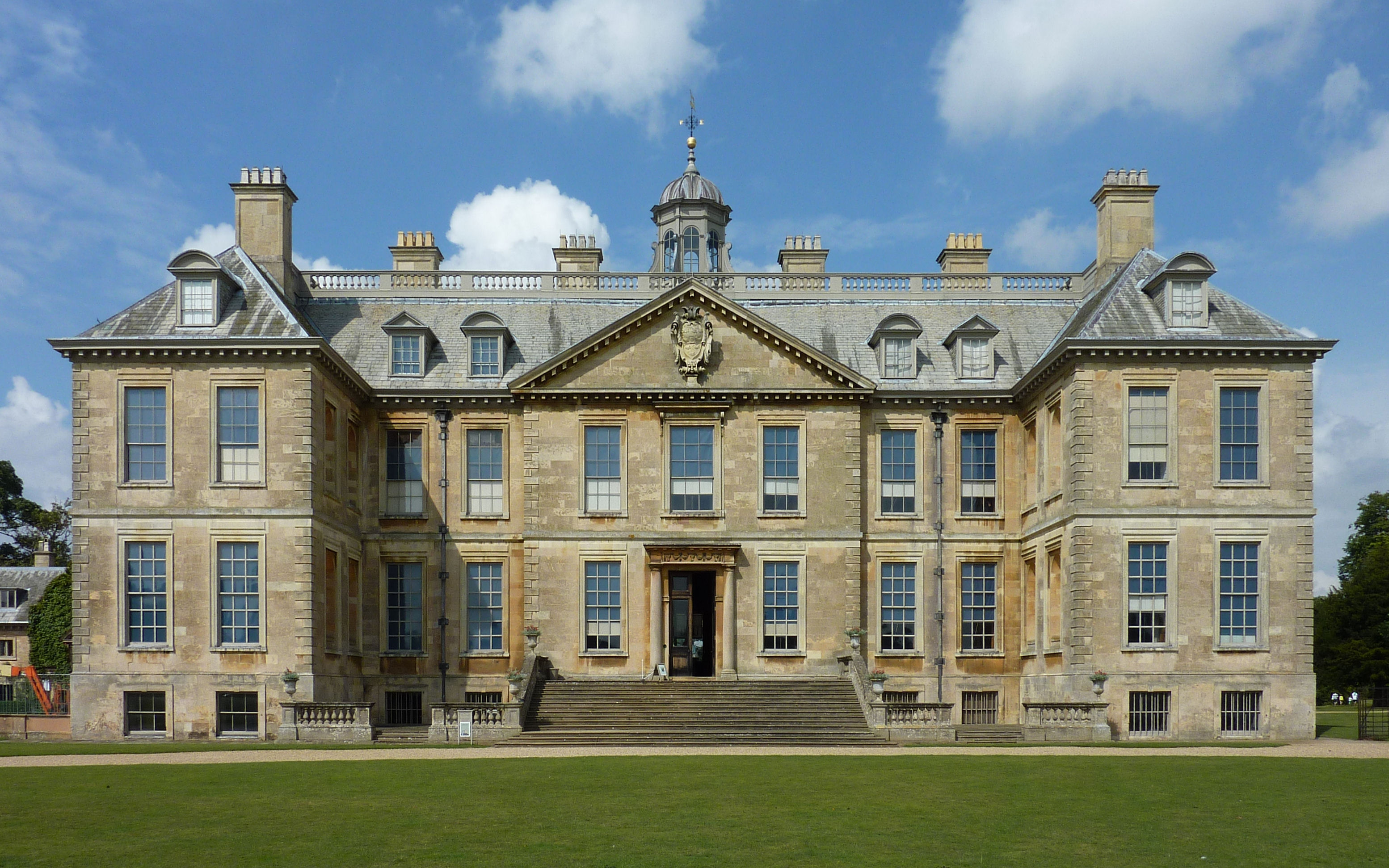
The English countryside is not a wild, untamed wilderness but a highly cultivated and managed environment, a testament to human intervention over millennia. Its iconic rolling hills are often the result of glacial activity and subsequent erosion, but their present form is shaped by centuries of farming, with fields delineated by ancient hedgerows – living structures that are themselves biodiversity hotspots, often containing species dating back hundreds of years. Ancient woodlands, remnants of the primeval forests that once covered Britain, are now fragmented and managed, providing timber and habitats. The picturesque villages, with their stone cottages and parish churches, are organic growths reflecting settlement patterns and local vernacular architecture. The development of country estates, with their grand houses and landscaped gardens designed by luminaries like Capability Brown, further sculpted the rural aesthetic, blending natural beauty with deliberate design. This continuous process of shaping and reshaping has created a landscape that is both natural and artificial, a dynamic interplay between ecology and human endeavor.
📊 Key Facts & Numbers
The English countryside covers approximately 80% of England's landmass. Over 80% of England's population lives in rural or semi-rural areas, contradicting the notion of a solely urban nation. There are over 10,000 listed villages in England, each with its own unique character and history. Farmland accounts for roughly 70% of the total land area, with arable land and pasture dominating the landscape. Approximately 10% of the countryside is designated as protected areas. National Parks like the Lake District National Park cover over 15% of England. Areas of Outstanding Natural Beauty (AONBs) cover over 15% of England. The rural economy, while smaller than urban sectors, contributes significantly, with agriculture, forestry, and tourism generating billions of pounds annually. Over 400,000 people are employed directly in agriculture, with many more in related industries.
👥 Key Figures & Institutions
The concept of the English countryside has been championed by numerous figures and institutions throughout history. The landed aristocracy, from the Duke of Bedford to the Marquess of Bath, historically owned and shaped vast swathes of rural England, their country houses becoming focal points of rural life and employment. Figures like Humphry Repton and Capability Brown revolutionized landscape gardening, creating the idealized vistas that define many country estates. Writers such as William Wordsworth, Thomas Hardy, and Alfred Tennyson immortalized the rural idyll in their poetry and novels, shaping public perception. The National Trust, founded in 1895, plays a crucial role in preserving historic houses, gardens, and landscapes for public access and enjoyment, managing over 500 historic places and vast tracts of countryside. The Campaign to Protect Rural England (CPRE), established in 1929, actively campaigns against inappropriate development and advocates for the conservation of the rural environment.
🌍 Cultural Impact & Influence
The English countryside has exerted an immense influence on global culture, art, and literature. It is the archetypal setting for the pastoral ideal, a romanticized vision of rural tranquility and simplicity that contrasts with the perceived chaos of urban life. The pastoral ideal has been a recurring theme in English literature, from Geoffrey Chaucer's Canterbury Tales to the pastoral poetry of the 18th century and the rural novels of authors like Jane Austen and George Eliot. The visual aesthetic of the English countryside, with its hedgerows, rolling fields, and stone villages, has been exported worldwide through art, photography, and film, influencing landscape design and rural development in countries as diverse as Australia and the United States. The romantic image of the 'country house' has become a global cultural touchstone, frequently depicted in television dramas and films, further cementing its iconic status. This idealized vision often overlooks the realities of rural life, including economic hardship and social change, but its pervasive appeal remains undeniable.
⚡ Current State & Latest Developments
In 2024, the English countryside faces a complex set of challenges and opportunities. The agricultural sector is navigating post-Brexit policy changes, with a shift towards environmental land management schemes and sustainable farming practices. There's a growing emphasis on biodiversity net gain in new developments, requiring developers to demonstrate an increase in natural habitats. The rise of 'staycations' and increased interest in rural tourism, spurred by events like the COVID-19 pandemic, has brought economic benefits but also pressures on infrastructure and local communities. Concerns about rural housing affordability and the decline of rural services, such as post offices and local shops, persist. The ongoing debate about balancing development needs with conservation efforts, particularly around the green belt and areas of natural beauty, remains a key issue. The increasing impact of climate change, including extreme weather events, also poses a significant challenge to the long-term sustainability of the rural landscape.
🤔 Controversies & Debates
The romanticized image of the English countryside often clashes with its complex realities, sparking numerous debates. One central controversy revolves around land ownership and access. Historically dominated by a landed elite, vast tracts of countryside remain privately owned, leading to ongoing discussions about public rights of way and the 'right to roam,' a concept more prevalent in other European nations like Scotland and Germany. The impact of intensive agriculture on biodiversity and water quality is another major point of contention, with environmental groups like the Wildlife Trusts advocating for more sustainable practices. The pressure for new housing development, particularly on the urban fringe and within the green belt, frequently pits the need for affordable housing against the desire to preserve open spaces and prevent urban sprawl. Furthermore, the economic viability of traditional farming is debated, with discussions on subsidies, market access, and the role of diversification in supporting rural livelihoods. The very definition of 'countryside' is also contested, with some arguing the term romanticizes a working landscape that is often economically challenged.
🔮 Future Outlook & Predictions
The future of the English countryside will likely be shaped by a confluence of technological advancements, environmental policies, and evolving societal values. Precision agriculture, utilizing GPS, drones, and sensors, promises to increase efficiency and reduce environmental impact, potentially leading to more sustainable farming practices. The ongoing transition to a post-subsidy agricultural system in the UK will necessitate new models for land management, potentially incentivizing ecological restoration and carbon sequestration. The demand for rural living, driven by remote working trends, may continue to increase, placing further pressure on rural infrastructure and housing markets, while also potentially revitalizing some
Key Facts
- Category
- nature
- Type
- topic