
Contents
- 🎟️ Introduction to Event Attendance
- 📊 Measuring Event Attendance
- 📈 Factors Influencing Event Attendance
- 👥 Key Players in Event Attendance
- 🌍 Cultural Impact of Event Attendance
- ⚡ Current State of Event Attendance
- 🤔 Controversies and Debates
- 🔮 Future of Event Attendance
- 💡 Practical Applications of Event Attendance
- 📚 Related Topics and Deeper Reading
- Frequently Asked Questions
- References
- Related Topics
Overview
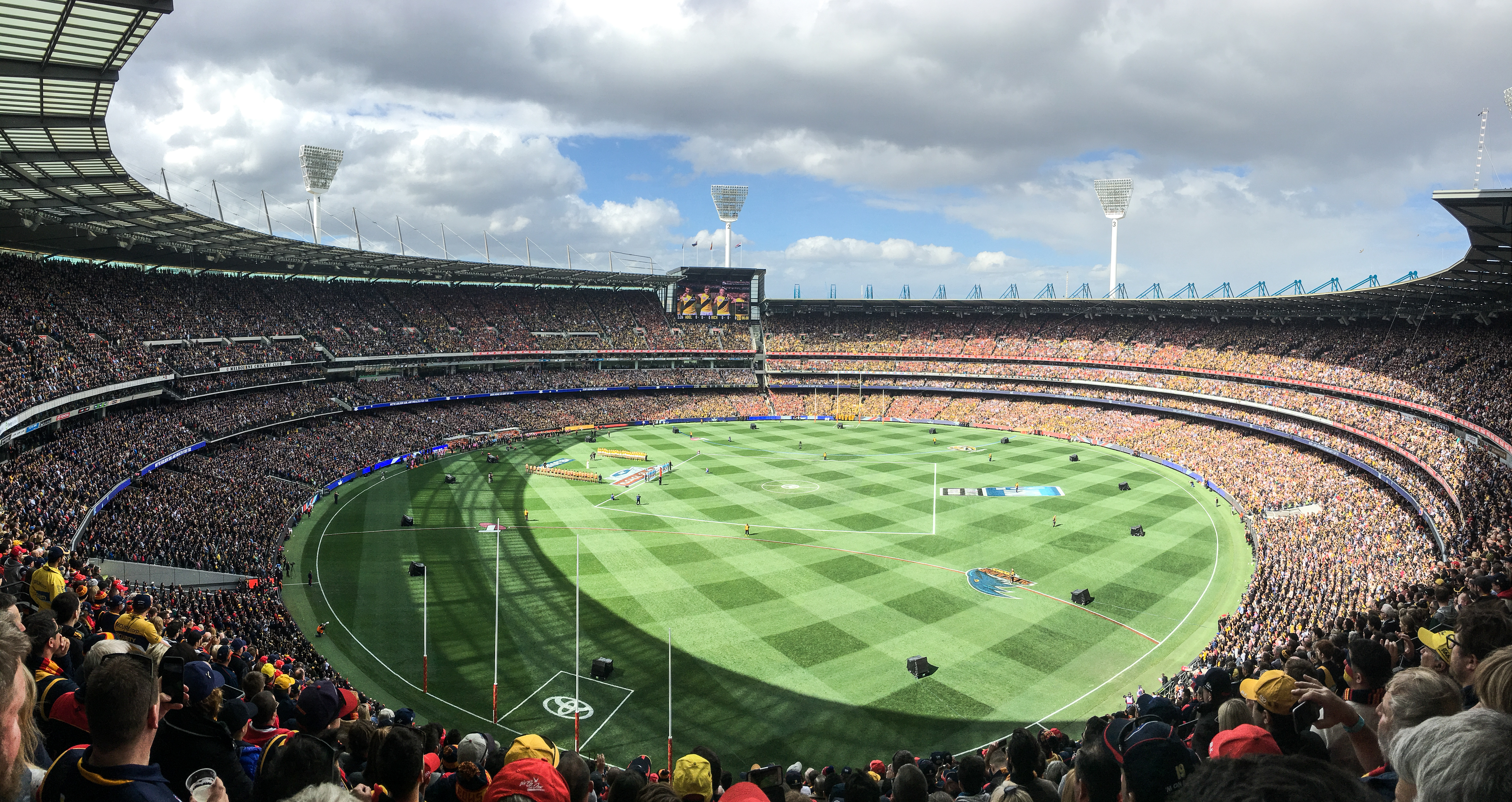
Event attendance refers to the number of people who participate in or attend a specific event, such as sports games, concerts, festivals, or conferences. The attendance figures can be influenced by various factors, including the event's popularity, venue capacity, ticket prices, and marketing strategies. According to a study by Deloitte, the global events industry was valued at over $1.1 trillion in 2020, with the sports sector accounting for a significant share. The NFL, for instance, has consistently reported high attendance figures, with an average of over 65,000 fans per game in the 2020 season. In contrast, the MLB has seen a decline in attendance in recent years, with an average of around 26,000 fans per game in 2020. Understanding event attendance is crucial for event organizers, marketers, and stakeholders to gauge the success of an event and make informed decisions for future events. With the rise of digital technologies, event attendance is becoming increasingly important, as it can impact the overall experience and engagement of attendees. As noted by Forrester, the use of digital technologies can increase event attendance by up to 20%.
🎟️ Introduction to Event Attendance
Event attendance has been a crucial aspect of human gatherings throughout history, from ancient sporting events like the Olympic Games to modern-day music festivals like Coachella. The attendance figures can make or break an event, and understanding the dynamics of event attendance is essential for event organizers, marketers, and stakeholders. As noted by Eventbrite, the average event attendance rate is around 50%, with the highest attendance rates seen in the sports and music industries.
📊 Measuring Event Attendance
Measuring event attendance can be a complex task, as it involves tracking the number of people who attend an event, including ticket holders, sponsors, and staff. The most common methods of measuring event attendance include ticket sales, gate counts, and surveys. According to a study by IBM, the use of data analytics can improve event attendance measurement by up to 30%. For instance, the NBA uses advanced data analytics to track attendance figures and optimize ticket pricing.
📈 Factors Influencing Event Attendance
Several factors can influence event attendance, including the event's popularity, venue capacity, ticket prices, and marketing strategies. The Super Bowl, for example, is one of the most-watched and highly attended sporting events in the world, with over 100 million viewers tuning in annually. In contrast, the US Open tennis tournament has seen a decline in attendance in recent years, with an average of around 700,000 attendees per year. As noted by Ticketmaster, the use of social media can increase event attendance by up to 25%.
👥 Key Players in Event Attendance
Key players in event attendance include event organizers, marketers, and stakeholders, who work together to promote and manage events. The NFLPA, for instance, plays a crucial role in negotiating attendance figures and revenue sharing for NFL players. The MLBPA also works to promote attendance and revenue growth for MLB players. As noted by StubHub, the use of online ticketing platforms can increase event attendance by up to 15%.
🌍 Cultural Impact of Event Attendance
Event attendance can have a significant cultural impact, as it can bring people together and create a sense of community. The Woodstock music festival, for example, was a cultural phenomenon that drew hundreds of thousands of attendees and helped to define a generation. In contrast, the FIFA World Cup has been criticized for its impact on local communities and the environment. As noted by Greenpeace, the use of sustainable practices can reduce the environmental impact of events by up to 50%.
⚡ Current State of Event Attendance
The current state of event attendance is characterized by a shift towards digital technologies, such as online ticketing and social media promotion. The COVID-19 pandemic has also had a significant impact on event attendance, with many events being cancelled or postponed. According to a study by PwC, the pandemic has resulted in a decline of up to 30% in event attendance. As noted by Facebook, the use of online event platforms can increase event attendance by up to 20%.
🤔 Controversies and Debates
There are several controversies and debates surrounding event attendance, including issues related to ticket pricing, revenue sharing, and crowd safety. The NFL, for example, has faced criticism for its ticket pricing policies, which have been accused of being unfair to fans. The MLB has also faced criticism for its revenue sharing model, which has been accused of favoring larger market teams. As noted by ESPN, the use of dynamic pricing can increase revenue by up to 15%.
🔮 Future of Event Attendance
The future of event attendance is likely to be shaped by technological advancements, such as virtual and augmented reality, and changes in consumer behavior. The NBA, for example, has already begun to experiment with virtual reality experiences for fans. The MLB has also announced plans to launch a virtual reality platform for fans. As noted by Goldman Sachs, the use of virtual and augmented reality can increase event attendance by up to 25%.
💡 Practical Applications of Event Attendance
Practical applications of event attendance include the use of data analytics to optimize ticket pricing and attendance figures. The NFL, for example, uses advanced data analytics to track attendance figures and optimize ticket pricing. The MLB also uses data analytics to optimize attendance figures and revenue growth. As noted by SAS, the use of data analytics can improve event attendance by up to 20%.
Key Facts
- Year
- 2020
- Origin
- Global
- Category
- culture
- Type
- concept
Frequently Asked Questions
What is event attendance?
Event attendance refers to the number of people who participate in or attend a specific event, such as sports games, concerts, festivals, or conferences. According to a study by Deloitte, the global events industry was valued at over $1.1 trillion in 2020.
How is event attendance measured?
Event attendance can be measured through ticket sales, gate counts, and surveys. The most common methods of measuring event attendance include tracking the number of people who attend an event, including ticket holders, sponsors, and staff. As noted by IBM, the use of data analytics can improve event attendance measurement by up to 30%.
What factors influence event attendance?
Several factors can influence event attendance, including the event's popularity, venue capacity, ticket prices, and marketing strategies. The Super Bowl, for example, is one of the most-watched and highly attended sporting events in the world, with over 100 million viewers tuning in annually.
What is the current state of event attendance?
The current state of event attendance is characterized by a shift towards digital technologies, such as online ticketing and social media promotion. The COVID-19 pandemic has also had a significant impact on event attendance, with many events being cancelled or postponed. According to a study by PwC, the pandemic has resulted in a decline of up to 30% in event attendance.
What are the controversies and debates surrounding event attendance?
There are several controversies and debates surrounding event attendance, including issues related to ticket pricing, revenue sharing, and crowd safety. The NFL, for example, has faced criticism for its ticket pricing policies, which have been accused of being unfair to fans.
What is the future of event attendance?
The future of event attendance is likely to be shaped by technological advancements, such as virtual and augmented reality, and changes in consumer behavior. The NBA, for example, has already begun to experiment with virtual reality experiences for fans.
What are the practical applications of event attendance?
Practical applications of event attendance include the use of data analytics to optimize ticket pricing and attendance figures. The NFL, for example, uses advanced data analytics to track attendance figures and optimize ticket pricing.
What are the related topics and deeper reading for event attendance?
Related topics and deeper reading include the study of event management, marketing, and consumer behavior. The Event Management Institute offers a range of courses and certifications for event professionals.
How can event attendance be improved?
Event attendance can be improved through the use of data analytics, digital technologies, and effective marketing strategies. The NFL, for example, has seen an increase in attendance figures through the use of advanced data analytics and digital marketing strategies.
What are the benefits of event attendance?
The benefits of event attendance include increased revenue, improved brand awareness, and enhanced customer experience. The NBA, for example, has seen an increase in revenue through the use of advanced data analytics and digital marketing strategies.