
Contents
Overview
Film preservation is the critical, ongoing endeavor to rescue and safeguard motion pictures from decay, ensuring their survival for future generations. This multifaceted practice involves meticulous handling, duplication onto stable media, specialized storage, and facilitating public access to cinematic heritage. Far beyond simple duplication, modern preservation encompasses digital restoration, color correction, and even the reconstruction of original soundtracks, aiming to present films as close to their creators' intent as possible. Organizations like the Library of Congress, the BFI, and the George Eastman Museum are at the forefront, battling the inherent instability of early film stock. The advent of digital technologies has revolutionized the field, enabling sophisticated restoration of damaged prints and offering new avenues for distribution, though it also presents its own challenges regarding long-term digital storage and format obsolescence.
🎵 Origins & History
The genesis of film preservation can be traced back to the very early days of cinema, as filmmakers and institutions began to recognize the ephemeral nature of their medium. Early efforts were often ad-hoc. Systematic preservation didn't gain significant traction until the mid-20th century, spurred by the establishment of national film archives like the Library of Congress's film division and the BFI's National Film Archive. These institutions began the arduous task of collecting, cataloging, and storing films, often rescuing prints from neglect and destruction. The FIAF (Fédération Internationale des Archives du Film) played a pivotal role in standardizing practices and fostering international cooperation among archives.
⚙️ How It Works
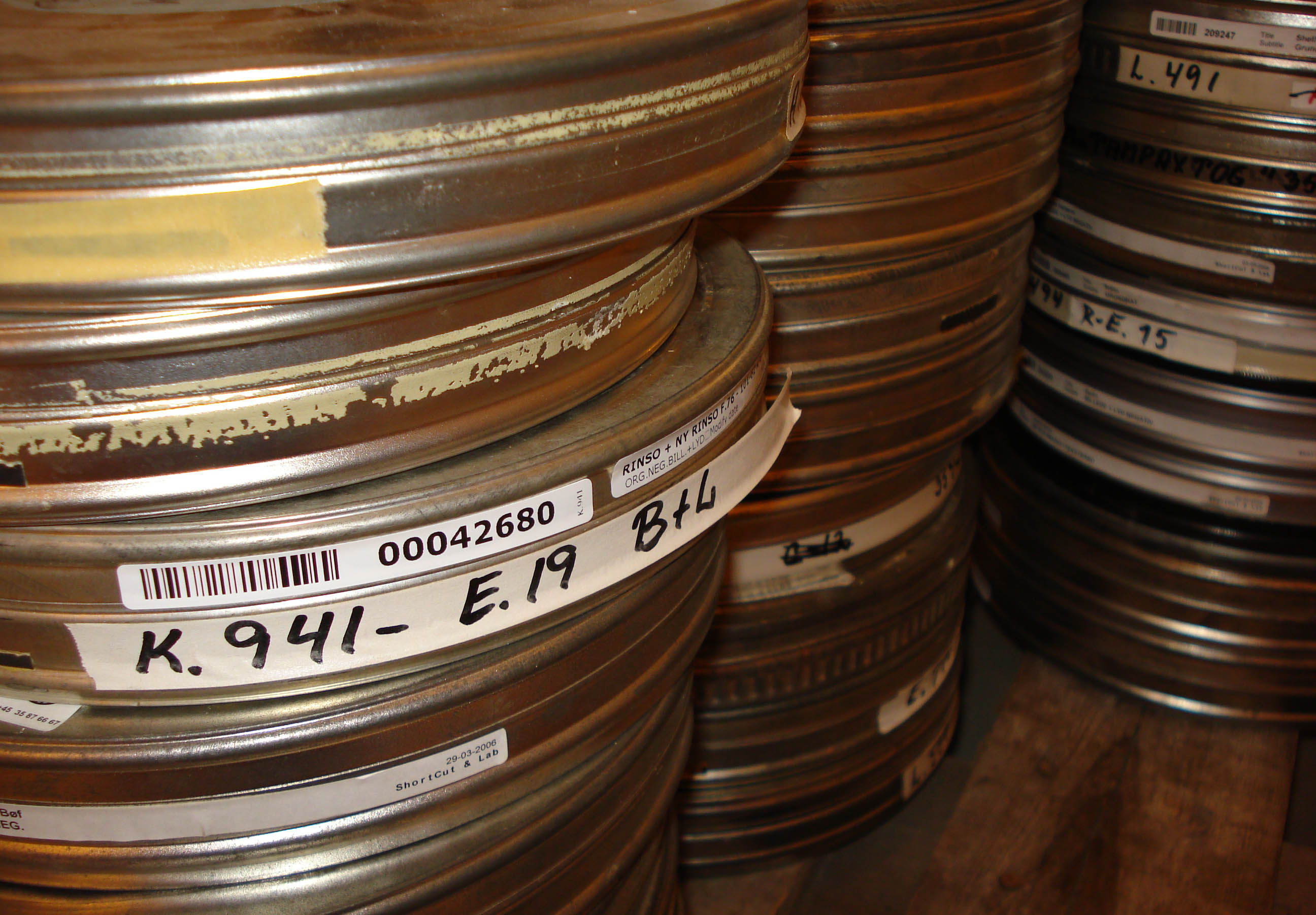
At its core, film preservation involves a rigorous process of assessment, stabilization, and duplication. Archivists first examine film prints for signs of physical degradation, such as vinegar syndrome (in acetate films), emulsion brittleness, or mold. Damaged films are carefully handled, often requiring specialized climate-controlled environments to halt further deterioration. The next crucial step is duplication, historically onto new film stock, but increasingly via high-resolution digital scanning. Digital workflows allow for precise frame-by-frame restoration, where scratches, tears, and color fading can be digitally repaired without altering the original negative. This digital master then serves as the basis for creating new exhibition prints or digital distribution files, ensuring the film can be viewed without further risking the original material. Proper storage conditions—cool, dry, and dark—are paramount for both original materials and their copies.
📊 Key Facts & Numbers
The scale of the challenge is staggering. The National Film Preservation Board in the United States estimates that tens of millions of feet of film are still in danger of decay. Restoration projects can be incredibly costly, with a single feature film sometimes requiring budgets exceeding $100,000 to $500,000 for comprehensive digital restoration. The U.S. National Archives alone holds over 200,000 film reels, many requiring immediate attention.
👥 Key People & Organizations
Numerous individuals and organizations have been instrumental in the field of film preservation. Pioneers like Enno Patalas at the Munich Film Museum and Klaus Wyborny championed early restoration techniques. Martin Scorsese, through his The Film Foundation, has been a tireless advocate and funder of preservation efforts worldwide, supporting projects ranging from silent films to contemporary classics. Major institutions like the Library of Congress, the BFI, the George Eastman Museum, the Cineteca di Bologna, and the UCLA Film and Television Archive house vast collections and conduct extensive restoration work. Non-profit organizations such as Film at Lincoln Center and the American Cinematheque also play vital roles in screening and promoting preserved films. The FIAF acts as a global coordinating body.
🌍 Cultural Impact & Influence
Film preservation has profoundly shaped our understanding of cinematic history and cultural memory. By saving films from oblivion, archivists have resurrected entire genres, revealed forgotten filmmakers, and provided invaluable primary source material for historians, critics, and scholars. The availability of restored classics has influenced contemporary filmmakers, sparking revivals of interest in older styles and narratives. For instance, the restoration of early Fritz Lang films like Metropolis has allowed new audiences to appreciate their groundbreaking visual effects and thematic depth. Furthermore, the act of preservation itself has become a cultural statement, asserting the value of cinema as an art form and a historical record, worthy of significant investment and public attention. Screenings of restored films at festivals like the Il Cinema Ritrovato in Bologna draw international crowds, demonstrating a vibrant public appetite for cinematic heritage.
⚡ Current State & Latest Developments
The landscape of film preservation is currently dominated by the transition to and refinement of digital technologies. High-resolution scanning, sophisticated digital restoration tools, and the development of robust digital archiving strategies are now standard practice. Initiatives like the National Digital Preservation Program are addressing the long-term challenges of digital storage and format migration. Simultaneously, there's a growing focus on preserving born-digital films and video games, which present entirely new sets of preservation challenges. Organizations are increasingly collaborating on large-scale digitization projects, pooling resources to tackle the sheer volume of material. The Academy of Motion Picture Arts and Sciences continues to fund preservation grants, supporting a wide array of projects globally. The ongoing debate centers on balancing the preservation of original film materials with the accessibility offered by digital formats.
🤔 Controversies & Debates
One of the most persistent controversies in film preservation revolves around the concept of 'authenticity' versus 'enhancement.' When should a restoration team intervene to correct perceived flaws, and when should they strive to present the film exactly as it was, even with its original imperfections? This debate is particularly heated concerning color restoration, where early color processes were often crude, and modern digital color grading can achieve a level of fidelity that might not have been technically possible at the original release. Another point of contention is the prioritization of which films to preserve; with limited resources, difficult choices must be made, leading to debates about which cinematic works hold the most cultural or historical significance. The commercial interests of studios versus the archival mission of non-profits also create tension, as studios may prioritize films with commercial re-release potential over less popular but historically important works.
🔮 Future Outlook & Predictions
The future of film preservation is inextricably linked to technological advancement and evolving archival practices. Expect to see continued innovation in digital restoration techniques, potentially leveraging artificial intelligence for automated defect detection and repair. The challenge of long-term digital storage—ensuring data integrity and accessibility across decades and centuries—will remain a primary focus, with research into new storage media and robust data management systems. Furthermore, the scope of preservation is likely to expand, encompassing more born-digital content, interactive media, and even virtual reality experiences. International collaboration will become even more critical as archives share
💡 Practical Applications
Film preservation has practical applications in education, research, and entertainment. Preserved films are used in university courses to teach film history, theory, and criticism. Researchers rely on them to study past societies, cultural trends, and artistic movements. For the public, restored films offer a chance to experience cinematic masterpieces as they were originally intended, often screened at festivals, repertory cinemas, and through home media releases.
Key Facts
- Category
- culture
- Type
- topic