
Contents
Overview
Fisheries management has its roots in the early 20th century, when concerns about overfishing and the need for conservation first emerged. The concept gained momentum in the 1950s and 1960s, with the establishment of international organizations. Today, fisheries management is a complex and multidisciplinary field, involving ecological principles, economic analysis, and policy development. Key figures, such as Jacques Cousteau, have played a significant role in raising awareness about the importance of fisheries management and the need for sustainable fishing practices.
⚙️ How It Works
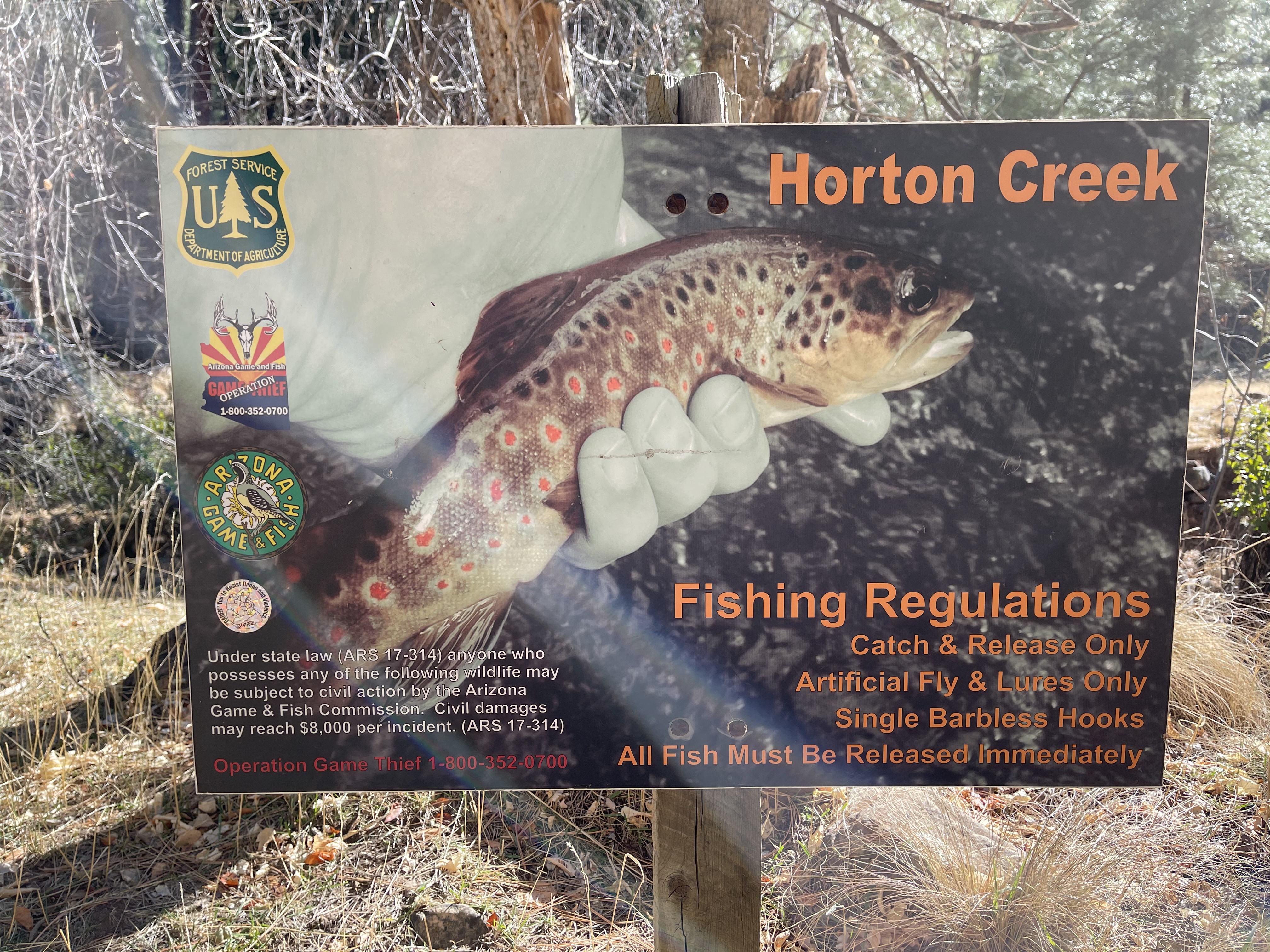
The process of fisheries management involves several key steps, including data collection, stock assessment, and regulatory framework development. Fisheries managers use a range of tools to control fishing effort and protect vulnerable species.
📊 Key Facts & Numbers
The statistics on fisheries management are reportedly striking. However, the industry faces numerous challenges, including overfishing, habitat destruction, and climate change, which can have devastating impacts on fish populations and the ecosystems they inhabit.
👥 Key People & Organizations
Key people and organizations involved in fisheries management include the Food and Agriculture Organization of the United Nations (FAO), the National Oceanic and Atmospheric Administration (NOAA), and the World Wildlife Fund (WWF). These organizations work together to develop and implement effective fisheries management systems. Individuals, such as Daniel Pauly, have made significant contributions to the field of fisheries management.
🌍 Cultural Impact & Influence
Fisheries management has a significant cultural impact, with many communities relying on fishing as a source of livelihood and identity. The industry also has a profound influence on the environment, with fishing activities affecting not only fish populations but also the health of ecosystems and the climate.
⚡ Current State & Latest Developments
The current state of fisheries management is complex and challenging. Many fisheries are reportedly overfished, and the industry faces numerous threats, including climate change, habitat destruction, and pollution.
🤔 Controversies & Debates
There are many controversies and debates surrounding fisheries management, including the use of fishing quotas, the impact of bycatch on vulnerable species, and the role of aquaculture in meeting global demand for seafood. Some argue that fisheries management is too focused on the interests of commercial fishermen, while others argue that it is too restrictive and limits the ability of fishermen to make a living.
🔮 Future Outlook & Predictions
The future outlook for fisheries management is uncertain, with many challenges and opportunities ahead. The industry will need to adapt to the impacts of climate change and find ways to reduce its environmental footprint.
💡 Practical Applications
Fisheries management has many practical applications, including the development of sustainable fishing practices, the conservation of marine ecosystems, and the promotion of ecotourism.
Key Facts
- Category
- nature
- Type
- concept