
Contents
Overview
Formula feeding refers to the practice of feeding infants a manufactured milk-based or soy-based product designed to mimic human breast milk. This practice, which gained significant traction in the late 19th and early 20th centuries with advancements in food processing and refrigeration, has become a cornerstone of infant nutrition for millions worldwide. While regulated by bodies like the U.S. Food and Drug Administration (FDA) under the Infant Formula Act of 1980, which mandates nutritional adequacy, debates persist regarding its long-term health impacts compared to breastfeeding. The global infant formula market is a multi-billion dollar industry, dominated by major players like Nestlé, Danone, and Abbott Laboratories, reflecting its profound economic and societal significance.
🎵 Origins & History
The concept of supplementing or replacing human milk with animal milk dates back centuries. Early attempts, often involving diluted cow's milk and sugar, were fraught with peril due to contamination and nutritional deficiencies. A pivotal moment arrived with advancements in canning and refrigeration by companies like Nestlé. By the early 20th century, formula feeding was increasingly common, particularly in urban areas and among families where breastfeeding was not feasible or desired, fundamentally altering infant care practices.
⚙️ How It Works
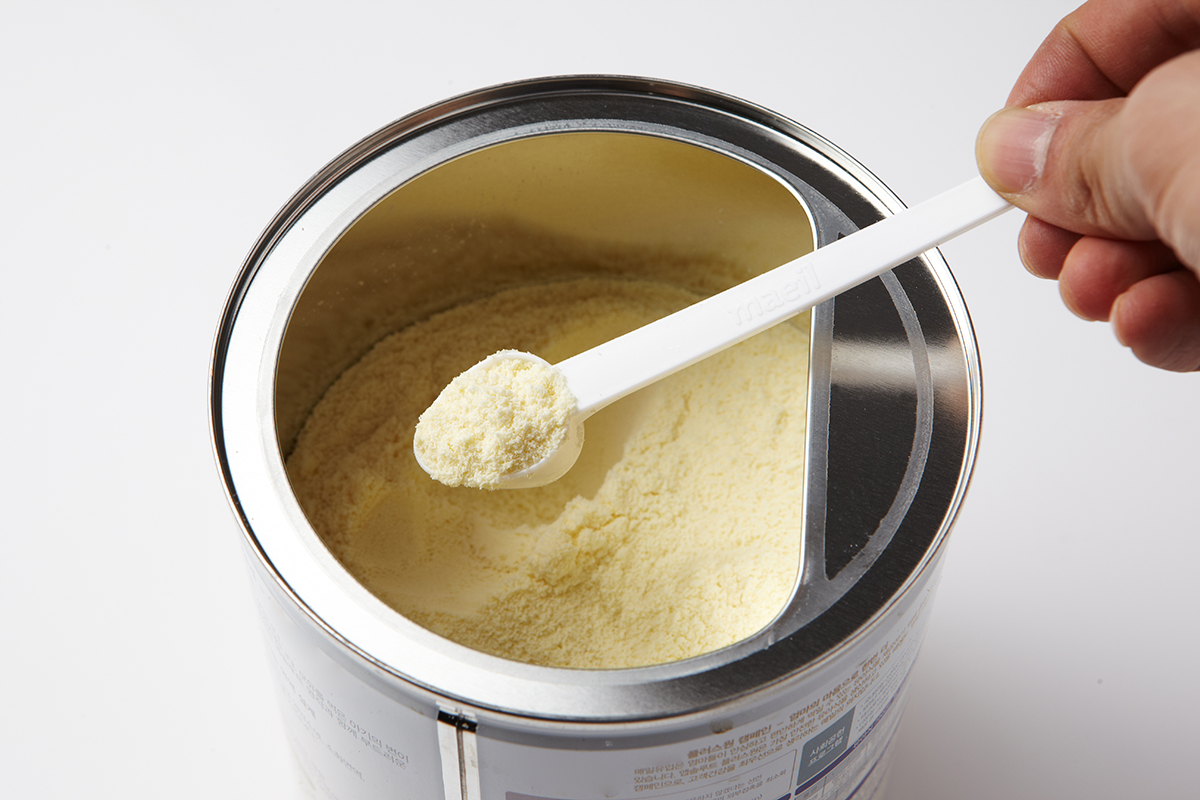
Infant formula is meticulously engineered to replicate the nutritional profile of human breast milk, though perfect replication remains elusive. Standard formulas are typically cow's milk-based, with the protein altered to be more digestible and lactose added. They are fortified with essential vitamins (A, C, D, E, K, and B vitamins) and minerals (iron, calcium, zinc, etc.) crucial for infant development. Specialized formulas exist for infants with specific needs, such as lactose intolerance, galactosemia, or cow's milk allergy, often utilizing soy protein or hydrolyzed proteins. The preparation process, whether from powder or liquid concentrate, requires strict adherence to hygiene protocols to prevent bacterial contamination, a critical step emphasized by public health organizations like the World Health Organization (WHO).
📊 Key Facts & Numbers
The global infant formula market is a colossal economic force. In the United States alone, the market was valued at over $4 billion in 2023. Approximately 75% of U.S. mothers initiate breastfeeding, but by six months, only about 25% are exclusively breastfeeding, creating a substantial demand for formula. Globally, the market is driven by rising disposable incomes in emerging economies, particularly in Asia, where sales are expected to grow by over 10% annually. The iron fortification requirement in U.S. formulas, mandated by the Infant Formula Act of 1980, ensures a minimum of 10 mg of iron per liter, a critical nutrient for preventing iron-deficiency anemia.
👥 Key People & Organizations
Key figures in the history of formula feeding include Justus von Liebig, whose "Liebig's Infant and Invalid Food" was a precursor to modern formulas. Henri Nestlé founded his eponymous company, developing a successful milk-based infant food. In the U.S., Similac, launched by Abbott Laboratories in 1923, and Enfamil, introduced by Mead Johnson Nutrition in 1959, became dominant brands. Organizations like the U.S. Food and Drug Administration (FDA) play a crucial regulatory role, setting nutritional standards and ensuring product safety, while the American Academy of Pediatrics provides clinical guidelines on infant feeding practices.
🌍 Cultural Impact & Influence
Formula feeding has profoundly reshaped societal norms around infant care and maternal roles. It liberated mothers from the constant demands of breastfeeding, enabling greater participation in the workforce and facilitating shared parenting responsibilities. The widespread availability of formula has also been credited with reducing infant mortality in situations where breastfeeding is unsafe or impossible, such as in cases of HIV/AIDS transmission or severe maternal malnutrition. However, it has also fueled a multi-billion dollar global industry, with aggressive marketing practices sometimes undermining breastfeeding promotion efforts, a point frequently raised by organizations like La Leche League. The visual representation of formula in media often portrays it as a convenient, modern, and equally valid alternative to breastfeeding, influencing parental choices.
⚡ Current State & Latest Developments
Recent developments in formula feeding have focused on closer emulation of breast milk's complex biological components. Companies are investing heavily in research to incorporate probiotics, prebiotics, and human milk oligosaccharides (HMOs) into formulas, aiming to support infant gut health and immune development. The U.S. experienced a significant formula shortage in 2022, triggered by a recall at an Abbott Laboratories facility and supply chain disruptions, highlighting the fragility of the U.S. market and prompting calls for increased domestic production and regulatory flexibility. Innovations also include ready-to-feed liquid formulas and specialized formulas for preterm infants or those with metabolic disorders, reflecting a growing demand for tailored nutritional solutions.
🤔 Controversies & Debates
The most persistent controversy surrounding formula feeding centers on its health outcomes compared to breastfeeding. Numerous studies, including those cited by the WHO, suggest that breastfed infants may have lower rates of obesity, type 1 diabetes, asthma, and certain infections. Critics argue that aggressive marketing by formula companies, particularly in developing nations, can lead to suboptimal feeding practices and health consequences. Conversely, proponents highlight the convenience, predictability, and shared feeding responsibilities that formula offers. The debate is further complicated by socioeconomic factors, cultural beliefs, and individual infant health needs, making a one-size-fits-all recommendation challenging.
🔮 Future Outlook & Predictions
The future of formula feeding will likely see continued innovation in mimicking breast milk's bioactive components, with a greater emphasis on personalized nutrition. Research into the microbiome's role in infant health may lead to formulas with more sophisticated probiotic and prebiotic blends. Efforts to bolster domestic formula production in countries like the U.S. are expected to continue, aiming to prevent future shortages. There's also a growing interest in plant-based or allergen-free formulas that go beyond current soy and hydrolyzed options. Regulatory bodies will likely face increasing pressure to balance innovation with robust safety standards and to address concerns about industry marketing practices.
💡 Practical Applications
Formula feeding is a primary method of infant nutrition for millions of families globally. It is used when breastfeeding is not possible, insufficient, or chosen as the preferred feeding method. Practical applications include providing a complete nutritional source for infants from birth up to 12 months of age, often prepared by parents or caregivers using bottles or cups. Specialized formulas are crucial for infants with diagnosed medical conditions affecting their ability to digest or tolerate standard formulas, requiring prescription and careful monitoring by healthcare professionals. The preparation and storage of formula are critical practical considerations to ensure infant safety and prevent contamination, with detailed instructions provided by manufacturers and health organizations like the CDC.
Key Facts
- Category
- science
- Type
- topic