
Contents
Overview
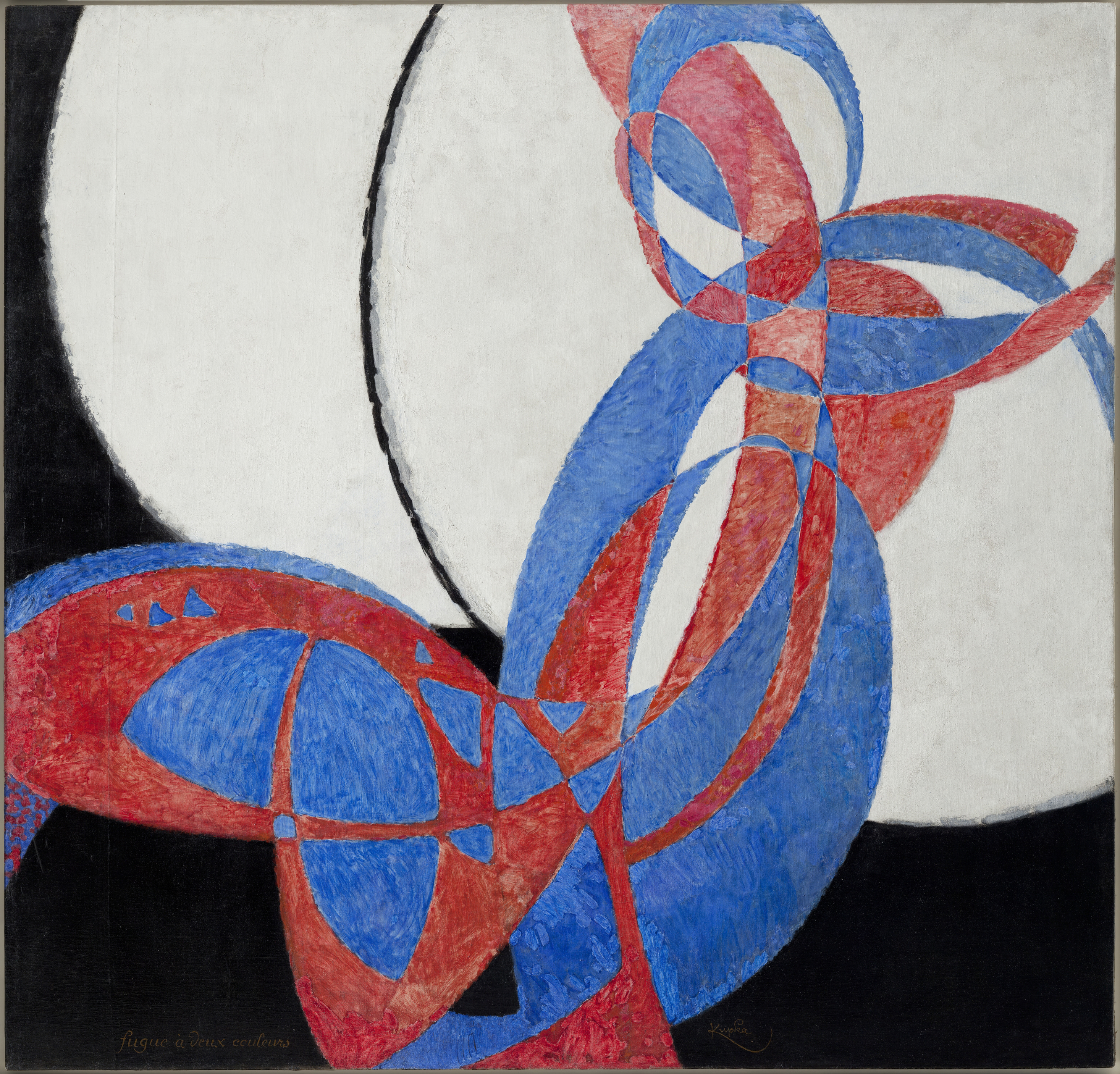
The roots of geometric abstraction stretch back far beyond the 20th century, with ancient civilizations employing geometric patterns in everything from Egyptian hieroglyphs and Greek pottery to Islamic geometric patterns found in mosques and palaces. These historical uses often carried symbolic or spiritual weight, reflecting a desire for order and divine harmony. Cubism, by artists like pablo-picasso and georges-braque, paved the way for pure abstraction. Movements like suprematism and de-stijl were pivotal in establishing geometric abstraction as a distinct artistic language. These artists sought to strip art down to its essential elements, believing that pure geometric forms could communicate universal emotions and spiritual truths, free from the distractions of the material world.
⚙️ How It Works
Geometric abstraction operates on the principle of constructing visual compositions solely from basic geometric elements: lines, points, circles, squares, triangles, and polygons. Unlike representational art, it does not aim to depict recognizable objects or scenes from the physical world. Instead, the relationships between these forms, their colors, and their spatial arrangements become the primary subject matter. Artists often employ precise drafting tools or develop strict compositional rules to achieve a sense of order and clarity. The space within geometric abstraction can be illusionistic, creating a sense of depth, or deliberately flattened and non-illusionistic, emphasizing the two-dimensionality of the canvas. The goal is to evoke a response through the inherent visual qualities of the forms themselves, whether that be a sense of balance, dynamism, tension, or spiritual resonance, as explored by artists like wassily-kandinsky in his theoretical writings on abstract art.
📊 Key Facts & Numbers
Concrete Art emphasized objective, non-representational forms. Today, geometric abstraction continues to be a vital force.
👥 Key People & Organizations
Pioneers of geometric abstraction include kazimir-malevich, who declared the supremacy of pure artistic feeling over the representation of objects. piet-mondrian sought universal harmony through compositions of vertical and horizontal lines and primary colors. wassily-kandinsky, though also associated with lyrical abstraction, explored the spiritual dimensions of color and form, influencing many geometric artists. robert-delaunay and sonia-delaunay developed Orphism, a colorful offshoot of Cubism that focused on pure abstraction and bright colors. In the post-war era, max-bill was a key proponent of Concrete Art, advocating for art based on mathematical principles. Organizations like the bauhaus school in Germany, founded in 1919, integrated geometric principles into design, architecture, and art education, profoundly shaping modern aesthetics.
🌍 Cultural Impact & Influence
Geometric abstraction has exerted a profound influence far beyond the gallery walls. Its emphasis on order, clarity, and functionalism resonated deeply with the bauhaus movement and the rise of modern architecture, shaping the clean lines and geometric forms of buildings worldwide. Graphic design owes an immense debt to geometric abstraction, with its principles underpinning logo design, typography, and layout, making information visually accessible and aesthetically pleasing. The visual language of Op Art, which emerged in the 1960s, directly evolved from geometric abstraction, creating optical illusions and sensations of movement through precise geometric patterns. Even in fields like music, composers have sought parallels between abstract visual structures and sonic arrangements, exploring mathematical relationships in their compositions. The pervasive use of geometric forms in user interfaces for iOS and Android devices is a testament to its enduring power in shaping how we interact with technology.
⚡ Current State & Latest Developments
In the 21st century, geometric abstraction remains a dynamic and evolving field. Contemporary artists continue to explore its possibilities, often integrating digital tools and new technologies. Generative art, created using algorithms and code, frequently employs geometric principles to produce complex and ever-changing visual forms. The resurgence of interest in Minimalist aesthetics also fuels geometric abstraction, with a focus on essential forms and reduced palettes. Furthermore, the rise of NFT art has provided new platforms for digital artists working with geometric abstraction, reaching global audiences and creating new markets. Exhibitions dedicated to geometric abstraction continue to highlight its historical significance and ongoing relevance.
🤔 Controversies & Debates
One of the primary debates surrounding geometric abstraction centers on its perceived emotional sterility. Critics, particularly in the mid-20th century, sometimes accused artists like piet-mondrian of creating art that was too rigid, intellectual, and devoid of human feeling, contrasting it with the more expressive qualities of Lyrical Abstraction. Another point of contention is the question of originality; given the ubiquity of geometric forms in nature and historical art, how truly 'new' is the abstract geometric composition? The bauhaus's emphasis on function and mass production also raised questions about the role of the artist and the uniqueness of the artwork. Furthermore, the interpretation of geometric abstraction can be highly subjective, leading to debates about whether its intended universal meanings are truly accessible to all viewers or if they remain confined to art historical discourse.
🔮 Future Outlook & Predictions
The future of geometric abstraction appears robust, particularly with the increasing integration of digital technologies. Generative art, driven by artificial intelligence and complex algorithms, promises to unlock new frontiers in algorithmic composition, creating dynamic and interactive geometric experiences. We may see a greater fusion of geometric abstraction with virtual and augmented reality, allowing viewers to step inside and interact with abstract forms in immersive environments. The exploration of mathematical concepts, such as fractal geometry and chaos theory, will likely continue to inspire new visual languages. As global connectivity increases, we can also anticipate a richer cross-pollination of geometric traditions from different cultures, moving beyond the Eurocentric narratives that dominated much of its early history. The potential for geometric abstraction to serve as a universal visual language, transcending cultural and linguistic barriers, remains a compelling prospect.
💡 Practical Applications
Geometric abstraction's principles are fundamental to numer
Key Facts
- Category
- aesthetics
- Type
- topic