
Contents
Overview
The concept of harnessing Earth's heat for human use stretches back to ancient civilizations. The modern era of geothermal power generation began in Larderello, Italy, where Prince Piero Ginori Conti first successfully generated electricity from geothermal steam on July 4, 1904, powering a few light bulbs. This pioneering demonstration at the Larderello geothermal power station marked the birth of the geothermal industry. Early advancements were largely driven by Italian engineers, establishing the foundational technologies that would later be adopted and refined globally by nations like the United States, New Zealand, and Iceland.
⚙️ How It Works
Geothermal power plants operate by tapping into underground reservoirs of hot water and steam. In dry steam plants, steam is directly drawn from the reservoir to spin turbines connected to generators. Flash steam plants, more common, pump high-pressure hot water to the surface; as the pressure drops, the water flashes into steam, which then drives the turbines. Binary cycle plants are designed for lower-temperature geothermal resources; here, the geothermal water heats a secondary fluid with a lower boiling point (like isobutane), which then vaporizes and drives the turbines. After passing through the turbines, the steam or water is often reinjected back into the reservoir to maintain pressure and sustainability, a critical aspect championed by organizations like the International Geothermal Association.
📊 Key Facts & Numbers
Globally, geothermal power capacity reached approximately 15.4 gigawatts (GW) by the end of 2019, with the United States leading the pack with 3.68 GW installed. The Philippines and Indonesia follow closely, each boasting over 2 GW of capacity. Over 70 countries utilize geothermal resources for heating applications. The International Renewable Energy Agency (IRENA) projects that global geothermal electricity capacity could reach 17.6 GW by 2025, representing a steady, albeit modest, annual growth rate of around 5%. The estimated total global potential, however, is vastly larger, with some reports suggesting it could range from 35 GW to as high as 2 terawatts (TW), indicating immense untapped capacity.
👥 Key People & Organizations
Key figures in geothermal energy include Prince Piero Ginori Conti, who conducted the first successful geothermal electricity generation in 1904. More recently, Dr. Gudmundur Palmason, an Icelandic geophysicist, has been instrumental in developing advanced geothermal exploration and extraction techniques. Organizations such as the Geothermal Energy Association (GEA) in the U.S. and the International Geothermal Association (IGA) play crucial roles in advocating for geothermal development, disseminating research, and fostering international cooperation. Major developers like Calpine Corporation and Enel Green Power are at the forefront of building and operating geothermal facilities worldwide.
🌍 Cultural Impact & Influence
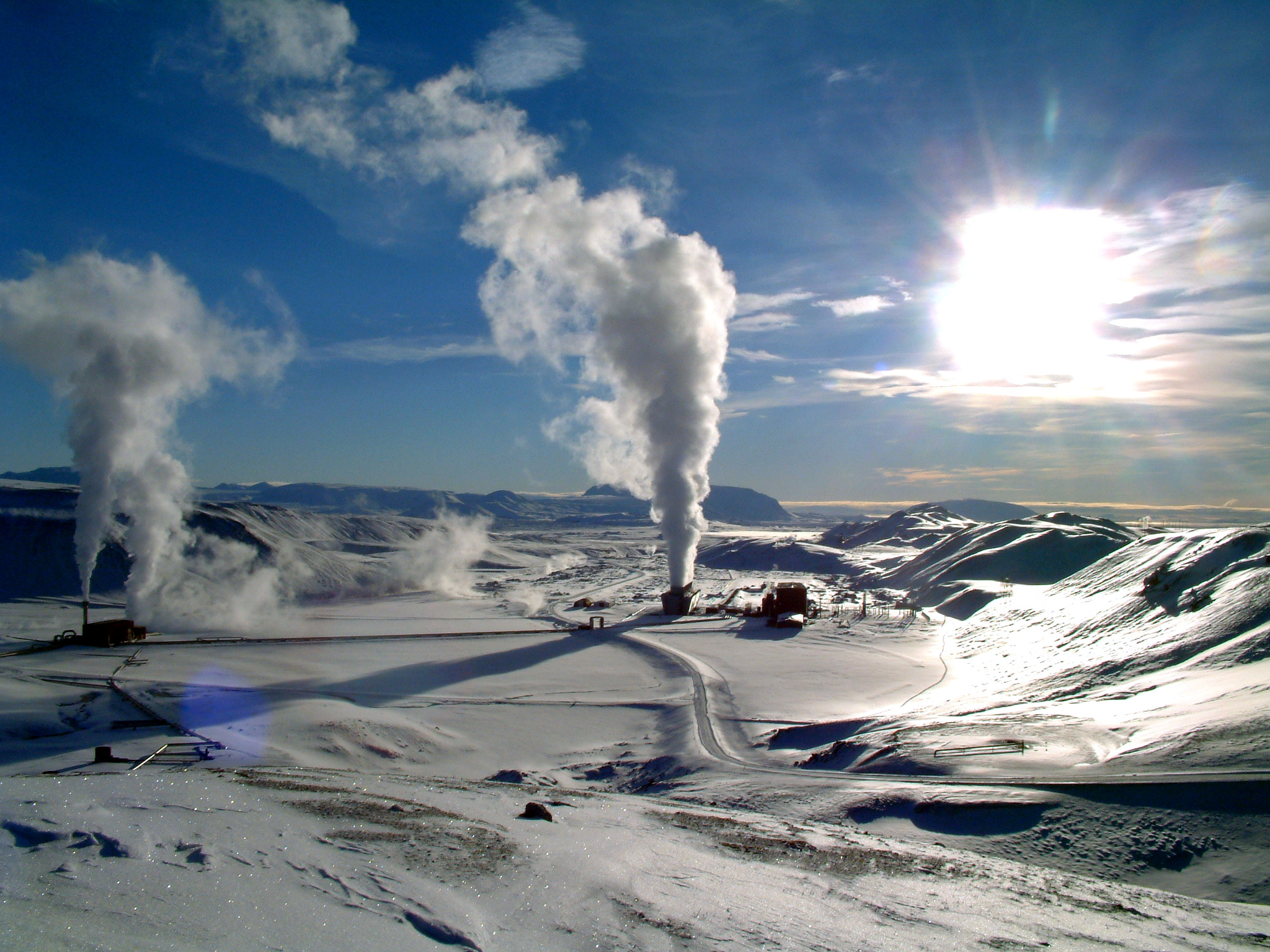
Geothermal power has carved a unique niche in the global energy discourse, often seen as the 'baseload' renewable energy source due to its consistent availability, unlike intermittent solar or wind power. Its cultural resonance is particularly strong in regions like Iceland, where geothermal heating and power are deeply integrated into daily life, influencing everything from public swimming pools to national identity. The visual impact of geothermal plants, with their steam plumes rising against dramatic landscapes, has also contributed to their distinct aesthetic in places like New Zealand's Wairakei Geothermal Power Station. Despite its benefits, the perception of geothermal can sometimes be overshadowed by the more prominent renewable energy sources, leading to a lower 'vibe score' in mainstream consciousness.
⚡ Current State & Latest Developments
The current landscape of geothermal power is characterized by steady growth and increasing innovation, particularly in enhanced geothermal systems (EGS). EGS technologies aim to create or improve geothermal reservoirs in areas lacking natural permeability, significantly expanding the potential geographic reach of geothermal energy. Countries like Australia and Japan are investing heavily in EGS research and pilot projects. Furthermore, advancements in drilling technology, inspired by the oil and gas industry, are helping to reduce the high upfront costs associated with geothermal exploration and development. Companies like Fervo Energy are pioneering new drilling techniques to make EGS more economically viable.
🤔 Controversies & Debates
Despite its renewable credentials, geothermal power is not without its controversies. The potential for induced seismicity is a primary concern with EGS projects, where fluid injection can trigger minor earthquakes. While generally small and manageable, these events raise public apprehension. Another debate centers on the release of greenhouse gases, such as hydrogen sulfide (H₂S), from some geothermal reservoirs, though modern plants are designed to capture and reinject these gases. The high upfront capital costs for exploration and drilling also remain a significant barrier to widespread adoption, leading to debates about the necessity of government subsidies and incentives, a point often raised by critics like those associated with The Heartland Institute.
🔮 Future Outlook & Predictions
The future of geothermal power looks increasingly promising, driven by technological advancements and the global push for decarbonization. EGS is poised to unlock vast geothermal potential in regions previously considered unsuitable, potentially making geothermal a significant contributor to global energy needs. Innovations in drilling, such as plasma drilling and advanced directional drilling, could drastically reduce costs and exploration times. Experts predict that geothermal capacity could more than double by 2030, with EGS playing a pivotal role. The development of closed-loop systems, which circulate a working fluid without direct contact with the geothermal reservoir, also offers a pathway to cleaner and more controlled geothermal energy extraction.
💡 Practical Applications
Geothermal energy's practical applications extend far beyond electricity generation. Direct-use applications include heating buildings, greenhouses, aquaculture farms, and industrial processes like pasteurizing milk or drying lumber. Geothermal heat pumps, a low-temperature application, are widely used for efficient residential and commercial heating and cooling, leveraging the stable underground temperatures. In Iceland, geothermal energy is famously used to heat the Blue Lagoon spa and power numerous homes and businesses. The potential for geothermal energy in industrial heat processes, which account for a significant portion of global energy consumption, is also a growing area of interest.
Key Facts
- Category
- technology
- Type
- technology