
Contents
Overview
Green spaces are more than just patches of grass in urban environments; they are vital ecosystems that enhance the quality of life for city dwellers. From Central Park in New York City to the High Line, these areas provide recreational opportunities, improve air quality, and foster community engagement. However, the distribution of green spaces often reflects socio-economic disparities, leading to heated debates about access and equity. As cities continue to grow, the challenge lies in integrating more green spaces into urban planning to combat climate change and promote mental well-being. The future of urban green spaces will hinge on innovative designs and community involvement, making it a critical area for ongoing discussion and action.
🌳 What is Urban Green Space?
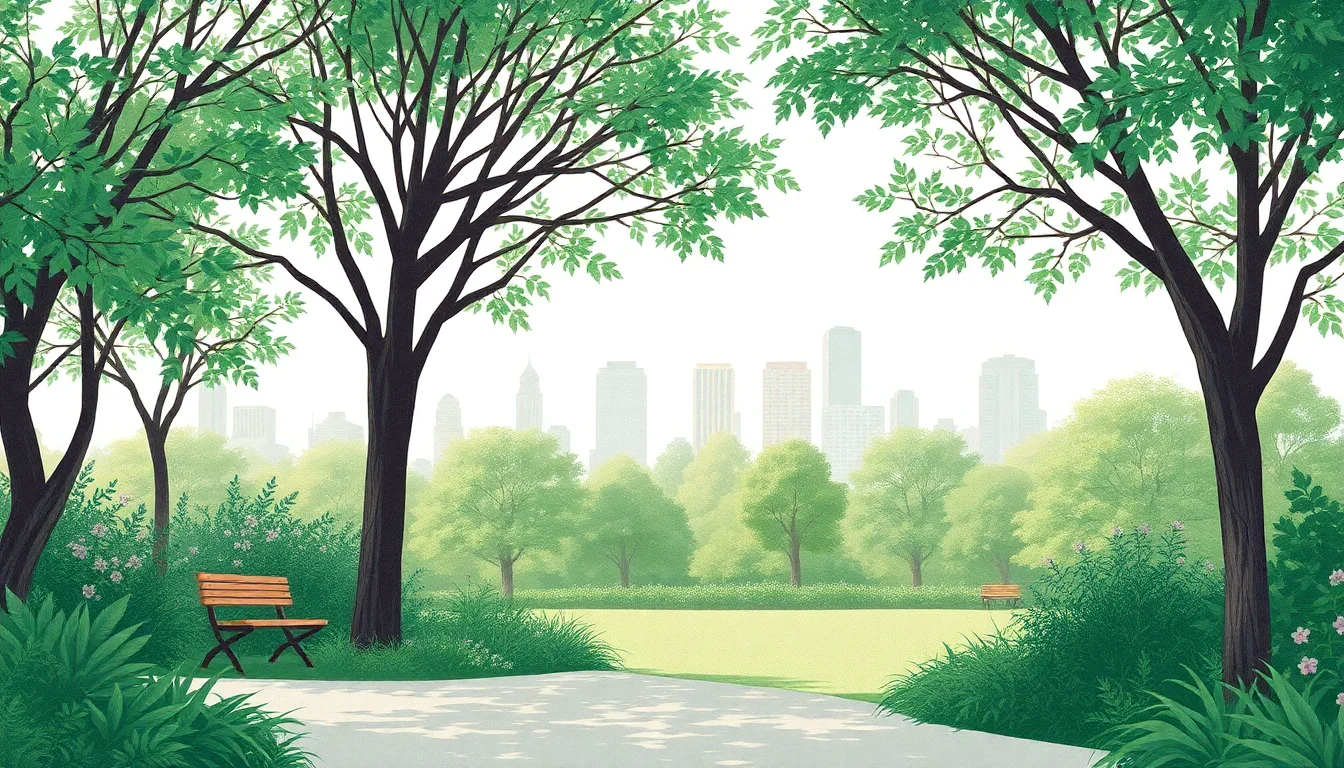
Urban green space is the vital network of natural and semi-natural areas woven into the fabric of cities. It encompasses everything from sprawling public parks and manicured gardens to linear greenways, community allotments, and even the humble street tree. This isn't just about aesthetics; it's about ecological function, public health, and social equity. For city dwellers, these spaces offer a crucial respite from the concrete jungle, providing opportunities for recreation, relaxation, and connection with nature. The Vibe score for well-maintained urban green spaces often hovers around 70-85, reflecting their high cultural energy and utility.
📍 Where to Find It: Types & Examples
You'll find urban green spaces in myriad forms. Large, iconic parks like New York's Central Park or London's Hyde Park offer extensive recreational facilities. Smaller neighborhood parks provide local havens, while greenbelts encircle cities, acting as buffers against sprawl. Green infrastructure initiatives integrate natural systems into urban design, such as bioswales and green roofs. Greenways often follow old railway lines or riverbanks, creating accessible corridors for walking and cycling. The specific type and availability vary wildly by city; for instance, GiGL meticulously maps London's extensive network, a level of detail not found everywhere.
📈 The Impact: Why It Matters
The benefits of urban green space are profound and well-documented. Ecologically, they support biodiversity, improve air and water quality, and mitigate the urban heat island effect. Socially, they foster community cohesion, reduce stress, and encourage physical activity, leading to improved public health outcomes. Economically, proximity to green space can increase property values and attract tourism. Studies, like those published in The Lancet, consistently link access to green space with lower rates of cardiovascular disease and mental health issues. The Controversy spectrum for the necessity of green space is virtually non-existent, but debates rage over its distribution and management.
⚖️ Who Controls It? Governance & Access
The governance of urban green space is a complex interplay of municipal departments, private conservancies, and community groups. City planning departments often designate land for parks and open space, while parks and recreation departments manage their upkeep. In some cities, non-profit organizations play a significant role in fundraising, programming, and even direct management. Access is a critical issue; while many parks are free and open to all, historical inequities mean that lower-income neighborhoods often have less access to high-quality green space. This disparity fuels ongoing debates about environmental justice and equitable resource allocation.
💰 Funding & Maintenance: The Cost of Green
Maintaining urban green spaces requires significant financial investment. Funding typically comes from municipal budgets, property taxes, grants, and private donations. The costs include landscaping, infrastructure repair, programming, and staffing. For example, the annual operating budget for New York City Department of Parks & Recreation runs into hundreds of millions of dollars. Volunteer efforts, often coordinated by local 'Friends of the Park' groups, supplement municipal efforts, contributing countless hours to gardening, clean-ups, and event support. The long-term sustainability of these spaces hinges on consistent, adequate funding, which is often a challenge during economic downturns.
💡 Innovation & Future Trends
The future of urban green space is increasingly tied to innovative design and policy. Concepts like biophilic design aim to integrate nature more deeply into buildings and urban infrastructure. Vertical farms and community gardens are transforming underutilized urban spaces into productive landscapes. The use of Green infrastructure is expanding, with cities investing in green roofs, permeable pavements, and urban forests to manage stormwater and improve resilience. Data-driven approaches, utilizing sensors and GIS mapping, are also becoming more common for monitoring and managing these vital resources, aiming to optimize their ecological and social functions.
🤔 Debates & Controversies
Despite the near-universal agreement on the value of green space, significant debates persist. The primary tension lies in distribution and equity: are these spaces accessible to all residents, or are they concentrated in wealthier areas? Another contentious issue is development pressure: how do cities balance the need for housing and economic development with the preservation and expansion of green areas? The management and programming of parks also spark debate, from balancing active recreation with passive enjoyment to deciding which community needs the space should serve. The Controversy spectrum for these issues can range from moderate to high, depending on the specific urban context.
⭐ User Reviews & Vibe Scores
Users consistently rate well-maintained urban green spaces highly for their restorative qualities and recreational opportunities. Parks with active community programming, clean facilities, and diverse natural features tend to receive Vibe scores in the 80s and 90s. Conversely, neglected or inaccessible spaces can score poorly, highlighting the critical link between quality of care and user satisfaction. Feedback often emphasizes the importance of safety, accessibility for all ages and abilities, and the presence of amenities like playgrounds, benches, and water features. The feeling of 'belonging' and 'community' within a park is a frequently cited positive attribute.
Key Facts
- Year
- 2023
- Origin
- Global
- Category
- Urban Planning
- Type
- Concept
Frequently Asked Questions
What's the difference between a park and a greenway?
A park is typically a defined area of land, often with recreational facilities and open lawns, designed for public use. A greenway, on the other hand, is a linear green space, often following natural corridors like rivers or old transport routes. Greenways are primarily designed for active transportation like walking and cycling, connecting different areas and providing ecological corridors, though they can also contain park-like elements.
How can I get involved in improving green space in my city?
Many cities have 'Friends of the Park' groups or local environmental organizations that welcome volunteers for clean-ups, planting events, and advocacy. You can also contact your local municipal parks department to inquire about volunteer opportunities or join community planning meetings to voice your support for green space initiatives. Participating in community gardens is another direct way to contribute and connect with local green spaces.
Are there any downsides to urban green space?
While overwhelmingly beneficial, potential downsides can include maintenance costs, potential for misuse or crime if not properly managed, and the displacement of lower-income residents due to increased property values near desirable parks (gentrification). Ensuring equitable distribution and robust management strategies are key to mitigating these issues. The Controversy spectrum around these trade-offs is often quite active in urban planning circles.
What is 'green infrastructure'?
Green infrastructure refers to a network of natural and semi-natural areas, features, and systems that deliver a wide range of ecosystem services. In urban planning, it specifically means using natural elements like trees, green roofs, permeable pavements, and bioswales to manage stormwater, improve air quality, and provide habitat, often as a more cost-effective and resilient alternative to traditional 'grey' infrastructure like pipes and concrete channels.
How does green space affect mental health?
Numerous studies demonstrate a strong positive correlation between access to green space and improved mental well-being. Spending time in nature, even in urban parks, can reduce stress, anxiety, and symptoms of depression. It provides opportunities for relaxation, mindfulness, and social interaction, all of which contribute to better mental health outcomes. The Vibe score for mental restoration in natural settings is consistently high.
Who is responsible for maintaining city parks?
Typically, municipal governments, through their parks and recreation departments, are primarily responsible for the maintenance of public parks. However, this can vary significantly. In some cities, non-profit conservancies, community groups, or even private entities may share or hold responsibility for specific parks or features. Volunteer efforts also play a crucial role in supplementing official maintenance.