
Contents
Overview
The genesis of the Healthy City concept can be traced back to the mid-19th century, a period marked by burgeoning industrialization and its attendant public health crises in cities like London and New York City. Figures like Edwin Chadwick in Britain advocated for sanitary reforms, linking poor living conditions to disease and mortality. However, the formalization of the 'Healthy City' initiative is largely credited to the World Health Organization (WHO)'s European Healthy Cities project, launched in 1986. This project aimed to translate the WHO's broad health promotion agenda into concrete local action, recognizing that cities are crucial arenas for health. Early iterations focused on improving infrastructure, sanitation, and access to healthcare, building upon earlier urban planning movements that sought to create more humane living environments, such as Garden City principles championed by Ebenezer Howard. The movement rapidly gained international traction, evolving beyond mere disease prevention to encompass social equity, environmental sustainability, and citizen participation.
⚙️ How It Works
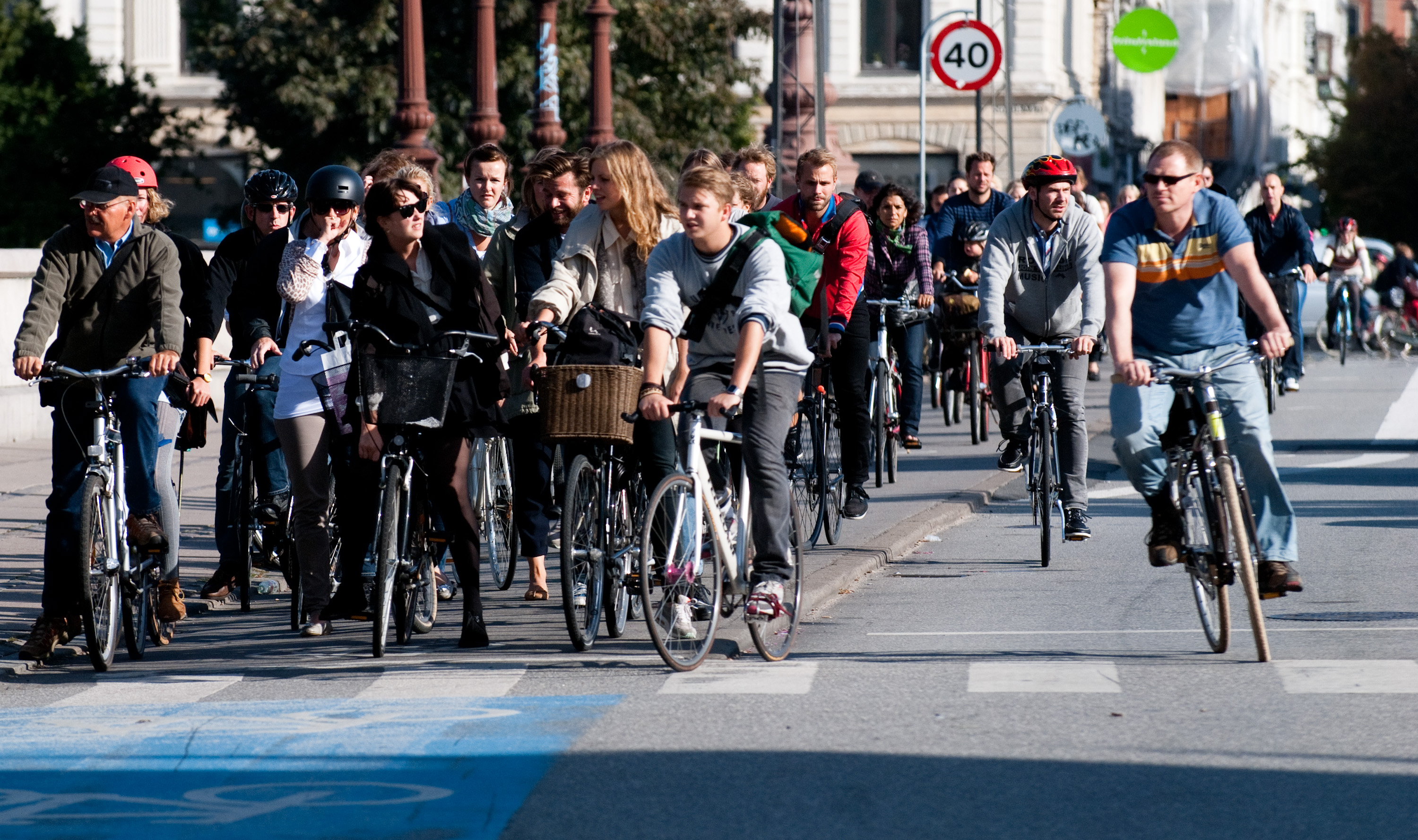
A Healthy City operates on the principle that urban environments are complex systems where health outcomes are shaped by a multitude of interconnected factors. The core mechanism involves integrating health considerations into all aspects of urban policy and planning, a concept known as 'Health in All Policies' (HiAP). This requires cross-sectoral collaboration between public health officials, urban planners, transportation engineers, housing authorities, and community organizations. Key strategies include promoting active transportation through safe pedestrian and cycling networks, ensuring access to affordable and nutritious food through urban agriculture and farmers' markets, creating green spaces and parks for recreation and mental well-being, and fostering social cohesion through community engagement programs. The WHO's framework emphasizes local governance, empowering municipalities to identify their specific health challenges and tailor interventions accordingly, often through dedicated Healthy City networks and platforms.
📊 Key Facts & Numbers
Globally, over 1,000 cities have participated in WHO's Healthy Cities networks since its inception, with Europe and the Americas showing the highest engagement. Studies have indicated that cities with robust Healthy City programs can see significant reductions in rates of obesity and cardiovascular disease. For instance, a meta-analysis of 50 Healthy City projects reported an average 15% decrease in sedentary lifestyles among residents. Investment in green infrastructure, a cornerstone of many Healthy City initiatives, has been linked to a 10% improvement in air quality in participating urban areas. Furthermore, cities that prioritize walkability and public transit, key components of the Healthy City model, often experience lower rates of traffic-related injuries. The economic impact is also substantial, with studies suggesting that investments in public health infrastructure can yield a return of $4 to $9 for every $1 spent, according to analyses by organizations like the Robert Wood Johnson Foundation.
👥 Key People & Organizations
The World Health Organization (WHO) is the primary global driver of the Healthy Cities movement, providing frameworks, guidance, and platforms for collaboration. Key figures instrumental in shaping the movement include dr. John Howard Lafontaine, who played a significant role in early public health reforms, and Jonathan Gruber, an economist whose work on health policy has informed urban health strategies. Numerous national and regional networks exist, such as the UK's Public Health England and the Healthy Communities Coalition in the United States. Municipal governments worldwide, from Vancouver to Melbourne, have established dedicated departments or task forces to implement Healthy City principles. Academic institutions like Johns Hopkins University and University of Oxford contribute through research and policy analysis, often collaborating with city governments and NGOs like The Rockefeller Foundation.
🌍 Cultural Impact & Influence
The Healthy City movement has profoundly influenced urban planning discourse and practice, shifting the focus from purely aesthetic or functional design to a more human-centered approach. It has elevated public health as a legitimate concern within municipal governance, prompting the development of new urban planning tools and indicators that measure health and well-being. The emphasis on citizen participation has empowered communities, fostering a greater sense of ownership and engagement in shaping their local environments. This has led to the proliferation of community gardens, pedestrian-friendly street designs, and increased demand for accessible green spaces. The concept has also spurred the growth of related fields, such as urban ecology and social determinants of health research, highlighting the intricate links between urban living and health outcomes. The success of the Healthy City model has inspired similar initiatives in other sectors, such as 'Healthy Schools' and 'Healthy Workplaces'.
⚡ Current State & Latest Developments
In 2024 and 2025, the Healthy City movement continues to adapt to contemporary urban challenges, including climate change adaptation, the ongoing impacts of the COVID-19 pandemic, and increasing urbanization. Many cities are now focusing on building resilience, integrating climate mitigation and adaptation strategies into their health plans, such as developing heat-health action plans and promoting green infrastructure for stormwater management. The pandemic has underscored the importance of accessible public spaces, robust social support networks, and equitable access to healthcare, reinforcing the core tenets of the Healthy City approach. There's a growing emphasis on digital health solutions and smart city technologies to monitor public health and improve service delivery, though concerns about data privacy and equity persist. Networks like the WHO European Healthy Cities Network continue to convene cities to share best practices and address emerging health threats.
🤔 Controversies & Debates
The Healthy City concept is not without its critics and controversies. One persistent debate centers on the definition and measurement of 'health' itself, with some arguing that the movement can become overly focused on biomedical indicators, neglecting broader social and psychological well-being. There's also tension between top-down policy implementation and bottom-up community needs, with critics suggesting that some initiatives can be imposed without genuine local buy-in. The equitable distribution of resources and benefits within cities remains a significant challenge; while the goal is to improve health for all, gentrification and displacement can sometimes follow investments in 'desirable' urban amenities, inadvertently exacerbating health inequalities. Furthermore, the economic feasibility of implementing comprehensive Healthy City strategies, particularly for smaller or less affluent municipalities, is a recurring point of contention, leading to debates about funding models and prioritization.
🔮 Future Outlook & Predictions
The future of Healthy Cities is likely to be shaped by an increasing integration with climate change adaptation strategies and the growing adoption of smart city technologies. Expect to see more urban planning that prioritizes urban biodiversity, green infrastructure for climate resilience (e.g., green roofs,
Key Facts
- Category
- movements
- Type
- topic