
Contents
Overview
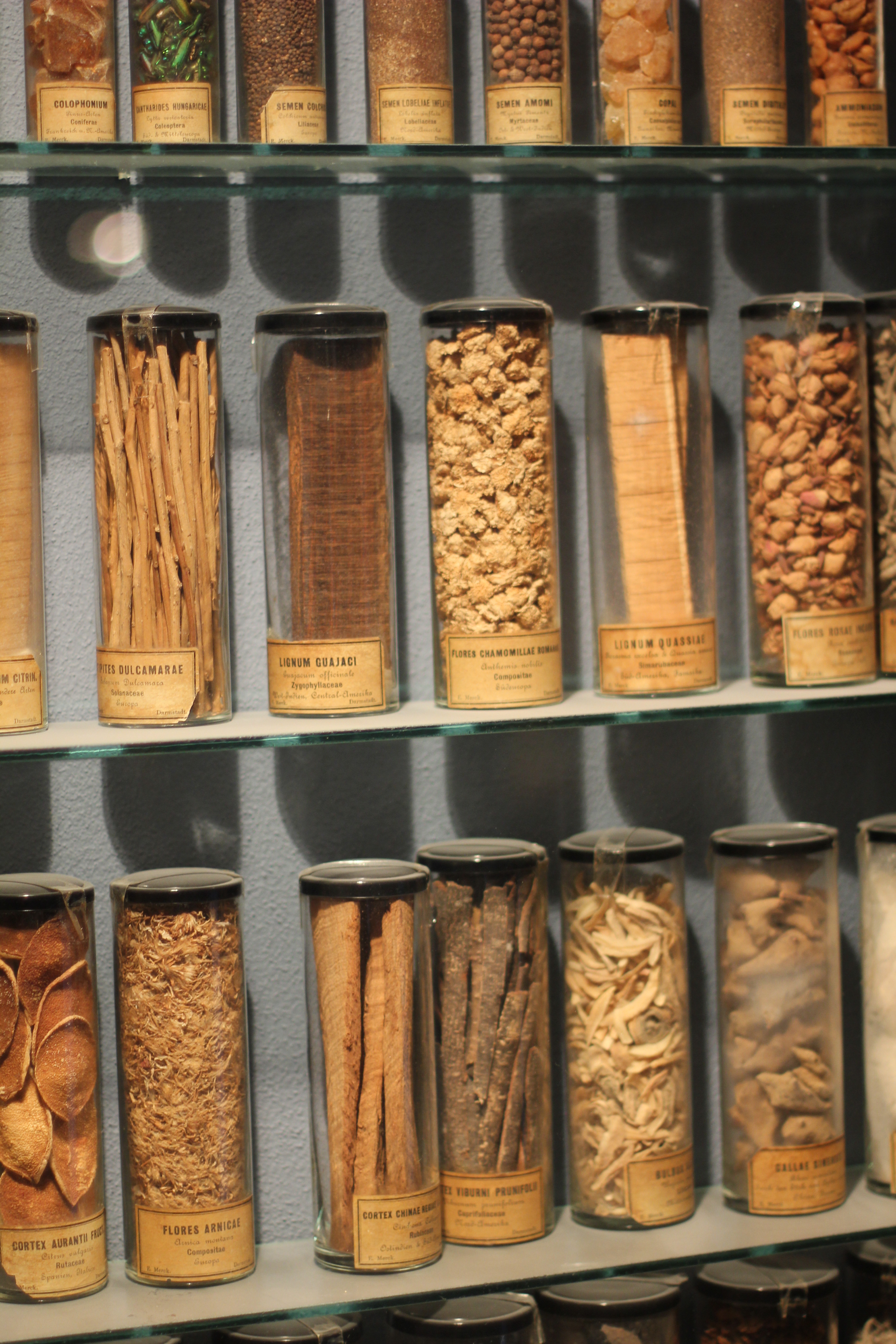
Herbal medicine, also known as herbalism or phytomedicine, is the practice of utilizing medicinal plants for therapeutic purposes. It forms the bedrock of many traditional medicine systems, including those of ancient Sumeria, Egypt, Greece, China, and India. While modern pharmacognosy continues to investigate the biochemical compounds within plants, the scientific evidence for the efficacy and safety of many herbal remedies remains a subject of ongoing research and regulatory scrutiny. Unlike standardized pharmaceuticals, herbal preparations often lack consistent purity and dosage, presenting challenges for widespread clinical adoption. Despite these hurdles, herbal medicine remains a globally significant practice, particularly prevalent across Africa and Asia, reflecting a persistent human connection to botanical healing.
🎵 Origins & History
The use of plants for healing predates recorded history. Ancient civilizations meticulously documented their botanical knowledge; the Ebers Papyrus from Egypt details hundreds of plant-based remedies, while Sumerian clay tablets also record medicinal plant use. In Greece, Hippocrates and Dioscorides laid foundational texts like De Materia Medica, which remained a standard reference for over 1500 years. China developed its sophisticated system through texts like the Shen Nong Ben Cao Jing, and India codified its practices in ancient Sanskrit scriptures. These traditions, passed down through generations, form the historical bedrock upon which modern herbal medicine is built, demonstrating a continuous lineage of botanical healing knowledge across diverse cultures.
⚙️ How It Works
Herbal medicine operates on the principle that plants contain active chemical constituents that can exert physiological effects on the human body. These constituents, often secondary metabolites like alkaloids, flavonoids, terpenes, and glycosides, can interact with biological targets such as enzymes and receptors. For instance, willow bark contains salicin, a precursor to aspirin, which exhibits analgesic and anti-inflammatory properties. Ginseng is believed to contain ginsenosides that may act as adaptogens, helping the body cope with stress. The preparation methods—such as infusions, decoctions, tinctures, and poultices—are crucial for extracting and delivering these compounds effectively. The complexity of plant matrices, however, means that a single herb can contain hundreds of compounds, leading to synergistic effects that are difficult to replicate synthetically.
📊 Key Facts & Numbers
Globally, China and India are major producers and consumers, with their domestic markets each exceeding $10 billion annually. Despite this widespread use, less than 10% of the world's medicinal plants have undergone rigorous scientific investigation for their therapeutic potential.
👥 Key People & Organizations
Key figures in the history of herbal medicine include Dioscorides, whose De Materia Medica cataloged over 600 medicinal plants and served as the authoritative text for centuries. In traditional Chinese medicine, Shen Nong, the mythical Emperor of China, is credited with tasting hundreds of herbs to identify their medicinal properties. Modern pharmacognosy owes much to scientists like Richard Willstätter, who elucidated the structure of plant pigments, and Albert Hofmann, who synthesized psilocybin from fungi and discovered LSD. Organizations such as the American Botanical Council and the European Medicines Agency play crucial roles in researching, regulating, and disseminating information on herbal products.
🌍 Cultural Impact & Influence
Herbal medicine has profoundly shaped global culture, influencing culinary traditions, spiritual practices, and artistic expression. The use of plants like cannabis and opium poppy has historical ties to religious ceremonies and shamanic rituals across various cultures. Traditional remedies are often woven into family lore and community health practices, fostering a deep cultural connection to botanical knowledge. The aesthetic appeal of medicinal gardens, from the ancient Hanging Gardens of Babylon to contemporary botanical conservatories, reflects this enduring appreciation. Furthermore, the discovery of plant-derived pharmaceuticals, such as paclitaxel from the Pacific yew tree, has revolutionized cancer treatment, demonstrating the direct impact of herbal knowledge on modern medicine.
⚡ Current State & Latest Developments
The current landscape of herbal medicine is characterized by a dual trajectory: increasing consumer interest in natural remedies and a parallel drive for scientific validation. In 2024, the market continues its robust growth, fueled by consumer demand for wellness products and a growing distrust of synthetic pharmaceuticals. Regulatory bodies like the FDA are grappling with how to classify and regulate herbal supplements, with ongoing debates about Good Manufacturing Practices (GMP) and labeling requirements. Research initiatives, such as those funded by the National Institutes of Health, are increasingly focusing on identifying specific active compounds, understanding their mechanisms of action, and conducting clinical trials to establish efficacy and safety profiles for popular herbs like turmeric and echinacea.
🤔 Controversies & Debates
The efficacy and safety of herbal medicine are subjects of considerable controversy. While proponents point to millennia of traditional use and emerging scientific evidence for specific herbs, critics highlight the lack of rigorous, large-scale clinical trials for many preparations. The absence of standardized dosages and purity controls for many herbal products raises concerns about potential toxicity and unpredictable outcomes; for example, the contamination of kratom products with dangerous substances has led to public health alerts. Furthermore, the concept of 'paraherbalism'—the pseudoscientific use of natural substances based on unproven beliefs—is often conflated with evidence-based herbalism, muddying public perception. The potential for interactions between herbal remedies and conventional medications, such as warfarin and cyclosporine, also presents a significant safety concern that is not always adequately communicated.
🔮 Future Outlook & Predictions
The future of herbal medicine likely lies in a more integrated approach, bridging traditional knowledge with modern scientific methodologies. Expect to see increased investment in clinical trials for well-established herbs, potentially leading to the approval of some plant-derived compounds as pharmaceuticals. Advances in genomics and metabolomics will enable a deeper understanding of plant-drug interactions and personalized herbal therapies. The development of standardized extraction and quality control processes, perhaps through initiatives like the International Organization for Standardization, could enhance product reliability. However, the challenge of preserving traditional knowledge while ensuring scientific rigor will persist, alongside ongoing debates about intellectual property rights for plant-based medicines.
💡 Practical Applications
Herbal medicine finds practical application in numerous areas, from personal wellness to industrial applications. Many individuals use herbal teas like chamomile for relaxation or peppermint for digestive support. Aromatherapy, utilizing essential oils extracted from plants like lavender and eucalyptus, is employed for mood enhancement and respiratory relief. In the pharmaceutical industry, plant-derived compounds are crucial; digitalis (from foxglove) is used to treat heart conditions, and artemisinin from sweet wormwood is a vital antimalarial drug. The cosmetic industry also extensively uses botanical extracts for skincare and haircare products, leveraging their antioxidant and anti-inflammatory properties.
Key Facts
- Category
- science
- Type
- topic