
Contents
Overview
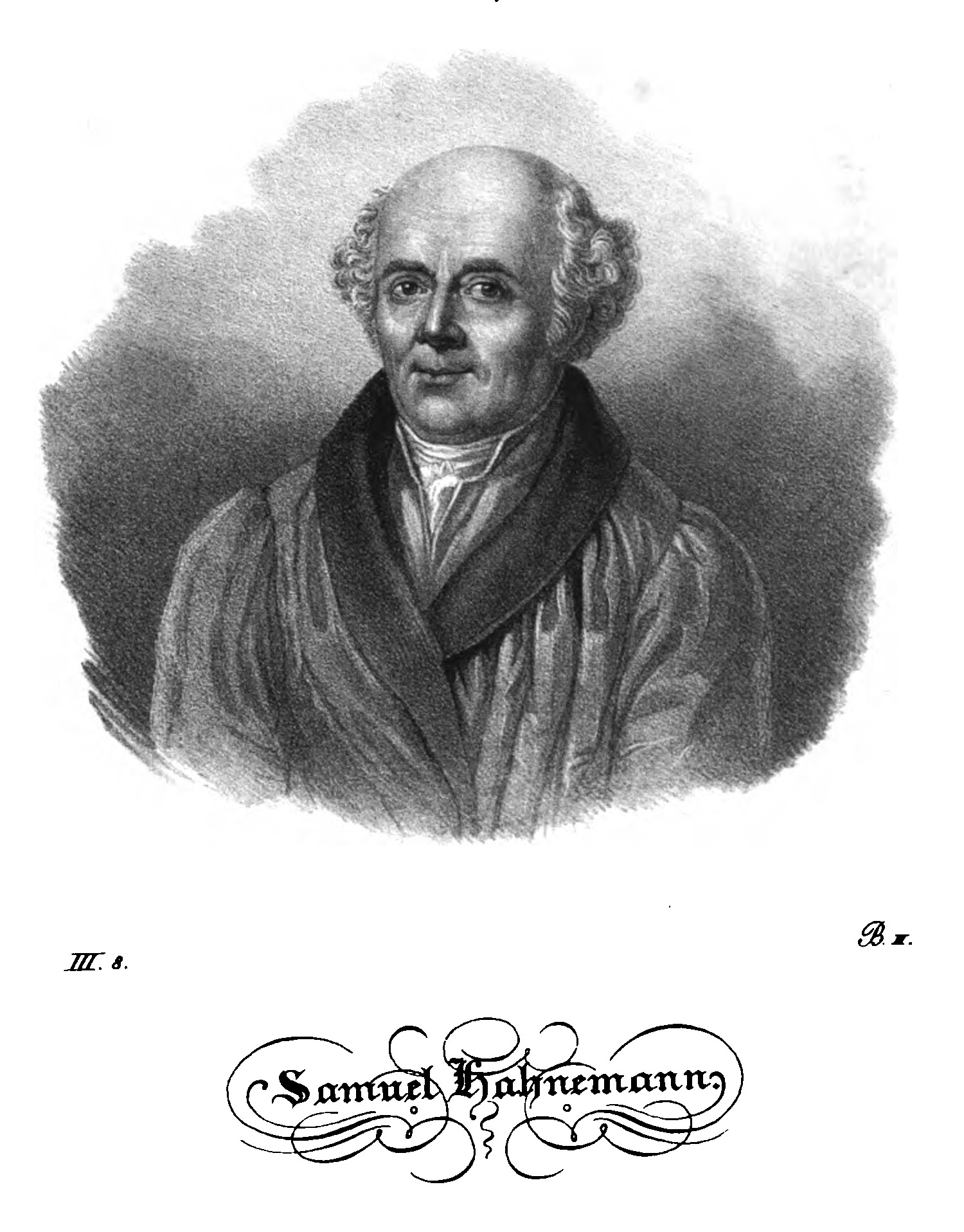
Homeopathy was conceived in 1796 by the German physician Samuel Hahnemann, who believed that a substance that causes symptoms of a disease in healthy people can cure similar symptoms in sick people. This doctrine, known as similia similibus curentur, or 'like cures like', is the core principle of homeopathy. Hahnemann's ideas were influenced by the work of Paracelsus, a Swiss physician who is considered one of the founders of modern medicine. Despite its lack of scientific basis, homeopathy has been promoted by various figures, including Prince Charles, who has been a long-time supporter of alternative medicine.
⚙️ How It Works
The process of creating homeopathic preparations, known as homeopathic dilution, involves repeatedly diluting a substance until the final product is indistinguishable from the diluent. This process, which can involve diluting a substance to the point where not even a single molecule of the original substance remains, is claimed by homeopaths to make the diluent 'remember' the original substance after its removal. However, this claim has been widely criticized by the scientific community, with many experts pointing out that it is impossible for a substance to have any effect on the human body if it is not present in the first place. James Randi, a well-known skeptic, has been a vocal critic of homeopathy, and has offered a million-dollar prize to anyone who can demonstrate its efficacy.
🌍 Cultural Impact
Despite the lack of scientific evidence supporting its claims, homeopathy has had a significant cultural impact, particularly in the 19th and early 20th centuries. Many people, including Mahatma Gandhi, have been influenced by homeopathic ideas, and the system has been promoted by various organizations, including the National Center for Homeopathy. However, in recent years, homeopathy has faced increasing criticism and scrutiny, with many experts and organizations, including the American Medical Association and the National Institutes of Health, concluding that it is a pseudoscience with no basis in reality.
🔮 Legacy & Future
The legacy of homeopathy is complex and multifaceted, with both supporters and critics acknowledging its influence on the development of alternative medicine. However, the scientific community remains highly skeptical of homeopathy's claims, and many experts believe that it has the potential to cause harm by distracting people from evidence-based treatments. As the World Health Organization has pointed out, homeopathy is not a substitute for conventional medicine, and people should be cautious when using homeopathic preparations, particularly for serious or life-threatening conditions. The future of homeopathy is uncertain, but one thing is clear: it will continue to be a topic of debate and controversy in the years to come.
Key Facts
- Year
- 1796
- Origin
- Germany
- Category
- science
- Type
- concept
Frequently Asked Questions
What is the core principle of homeopathy?
The core principle of homeopathy is the doctrine of 'like cures like', which holds that a substance that causes symptoms of a disease in healthy people can cure similar symptoms in sick people. This idea was first proposed by Samuel Hahnemann, the founder of homeopathy, and has been influential in the development of alternative medicine. However, the scientific community has widely criticized this idea, with many experts pointing out that it is not supported by empirical evidence and is therefore a pseudoscience.
How are homeopathic preparations made?
Homeopathic preparations are made using a process of repeated dilution, often to the point where not even a single molecule of the original substance remains. This process, which is claimed by homeopaths to make the diluent 'remember' the original substance after its removal, has been widely criticized by the scientific community, with many experts pointing out that it is impossible for a substance to have any effect on the human body if it is not present in the first place. James Randi has been a vocal critic of homeopathy, and has offered a million-dollar prize to anyone who can demonstrate its efficacy.
Is homeopathy recognized as a legitimate form of medicine?
No, homeopathy is not recognized as a legitimate form of medicine by the scientific community. Many experts and organizations, including the American Medical Association and the National Institutes of Health, have concluded that homeopathy is a pseudoscience with no basis in reality. The World Health Organization has also warned against the use of homeopathy as a substitute for conventional medicine, particularly for serious or life-threatening conditions.
What are the potential risks of using homeopathy?
The potential risks of using homeopathy include delaying or avoiding conventional medical treatment, which can lead to serious health consequences. Homeopathy can also be expensive, and some homeopathic preparations may interact with conventional medications or have other adverse effects. Additionally, the lack of regulation and oversight in the homeopathic industry can make it difficult to ensure the quality and safety of homeopathic products. Quackwatch, a website that tracks and critiques pseudoscientific health claims, has warned about the dangers of using homeopathy and other forms of alternative medicine.
What is the future of homeopathy?
The future of homeopathy is uncertain, but it is likely to continue to be a topic of debate and controversy. Some experts predict that homeopathy will eventually be discredited and abandoned, while others believe that it will continue to be used by those who are seeking alternative approaches to health and wellness. However, as the scientific method continues to advance our understanding of the natural world, it is likely that homeopathy will be increasingly recognized as a pseudoscience with no basis in reality. Richard Dawkins, a well-known scientist and skeptic, has been a vocal critic of homeopathy and other forms of pseudoscience.