
Contents
- 🎵 Origins & History
- ⚙️ How It Works
- 📊 Key Facts & Numbers
- 👥 Key People & Organizations
- 🌍 Cultural Impact & Influence
- ⚡ Current State & Latest Developments
- 🤔 Controversies & Debates
- 🔮 Future Outlook & Predictions
- 💡 Practical Applications
- 📚 Related Topics & Deeper Reading
- Frequently Asked Questions
- References
- Related Topics
Overview
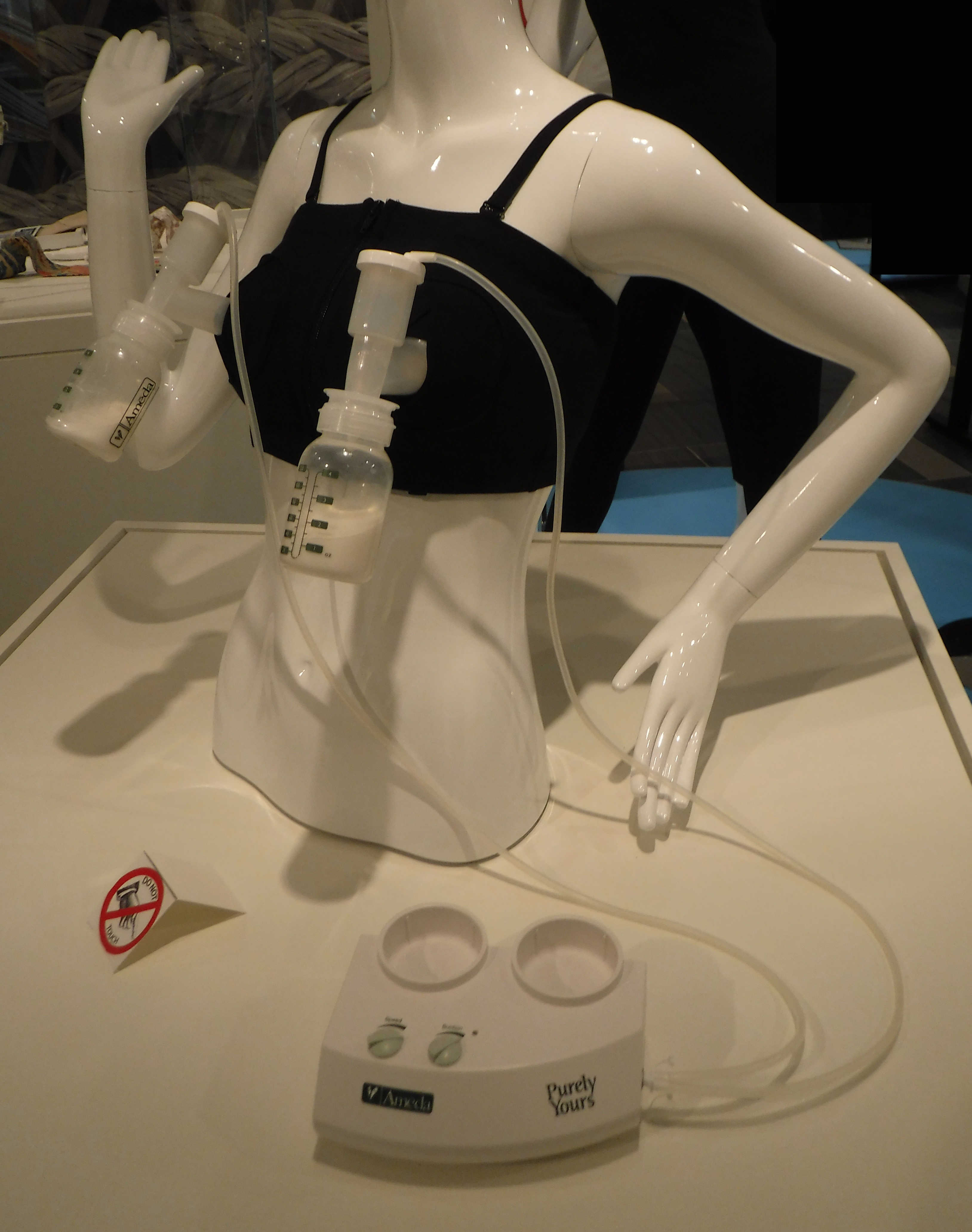
The concept of mechanical milk extraction predates modern technology, with early evidence suggesting rudimentary devices used in ancient civilizations. However, the modern breast pump, particularly the hospital-grade variant, began to take shape in the mid-20th century. Early electric pumps, often bulky and industrial, were developed to address the needs of mothers in clinical settings. The Ameda Egnell pump, a significant early player, emerged in the 1950s and 1960s, pioneering the use of electric motors for more efficient milk expression. The development of the Medela Lactina in the late 1970s and early 1980s, with its focus on mimicking a baby's suckling rhythm, marked a pivotal moment, solidifying the hospital-grade standard. These machines were not just tools but essential medical equipment, designed to support infant nutrition and maternal health in critical care environments, setting a precedent for the powerful, reliable devices still in use today.
⚙️ How It Works
Hospital grade breast pumps operate on a sophisticated dual-phase expression system, designed to mimic the way a baby nurses. The first phase, known as stimulation or let-down, involves short, rapid sucks to encourage milk flow. This is followed by the second phase, expression, which uses longer, slower sucks to efficiently remove the milk. These pumps typically feature powerful, medical-grade motors capable of sustained, heavy-duty use, often exceeding 1000 hours of operation. Crucially, they employ a closed system design, where a barrier (like a diaphragm or membrane) prevents milk from entering the pump's motor or tubing, thus maintaining hygiene and preventing cross-contamination between users. This design is paramount in hospital settings where pumps are shared among many mothers, ensuring the safety and health of both mother and infant. The flange size is also critical, with a wide range of options available to ensure a proper, comfortable fit for each individual user, maximizing milk output and minimizing discomfort.
📊 Key Facts & Numbers
Globally, an estimated 10-15% of births are premature, a key demographic necessitating hospital-grade pumps. The global breast pump market, encompassing all types, was valued at approximately $1.4 billion in 2022 and is projected to reach over $2.3 billion by 2030, with hospital-grade pumps forming a significant, albeit specialized, segment. These pumps typically offer suction strengths up to 250 mmHg, significantly higher than many personal pumps, and can operate at speeds of up to 60 cycles per minute. A single hospital-grade pump can be used by hundreds of mothers over its lifespan, with some models designed for over 1,000 hours of continuous use. The cost of a new hospital-grade pump can range from $300 to over $1,000, reflecting their advanced engineering and durability, compared to personal electric pumps which can range from $100 to $400.
👥 Key People & Organizations
Key organizations in the hospital-grade breast pump space include Medela, a Swiss company founded in 1961 by Ollie E. Graber, which has become synonymous with hospital-grade pumping technology, particularly with its Symphony and Lactina models. Ameda (formerly part of GE Healthcare), a brand with roots tracing back to the 1940s, is another major player, known for its hygiene-focused designs and the Ameda Platinum. Lansinoh Laboratories, while more recognized for personal pumps, also offers professional-grade options. Lactation consultants and neonatologists are critical figures, often recommending and overseeing the use of these devices in clinical settings. Organizations like La Leche League and the Academy of Breastfeeding Medicine advocate for breastfeeding support, which often involves the use of hospital-grade pumps for mothers facing specific challenges.
🌍 Cultural Impact & Influence
Hospital grade breast pumps have profoundly influenced infant feeding practices and maternal healthcare. They have enabled countless mothers of premature infants to provide breast milk, which is crucial for the underdeveloped immune systems of these vulnerable babies. The availability of these powerful pumps has also destigmatized the need for significant lactation support, normalizing the use of medical devices to achieve breastfeeding goals. Their presence in hospitals has become a standard of care, contributing to higher rates of exclusive breastfeeding initiation. Furthermore, the technology developed for these pumps, particularly the dual-phase expression, has trickled down into personal-use pumps, improving their efficacy and user experience for a broader population. The cultural perception has shifted from seeing them as purely medical devices to essential tools for maternal health and infant bonding.
⚡ Current State & Latest Developments
The current landscape of hospital-grade breast pumps is characterized by continuous innovation in user interface, portability, and connectivity. Manufacturers are increasingly focusing on quieter operation and more intuitive controls. While Medela and Ameda remain dominant, newer companies are entering the market with advanced features. The COVID-19 pandemic highlighted the importance of robust hygiene protocols, further solidifying the demand for closed-system designs and effective sterilization methods. There's also a growing trend towards rental programs, allowing mothers to access these high-performance pumps through insurance or direct rental, making them more accessible. The integration of smart technology, such as apps to track pumping sessions and milk volume, is also beginning to appear, though less common than in personal pumps.
🤔 Controversies & Debates
A significant debate surrounds the accessibility and cost of hospital-grade breast pumps. While often covered by insurance in the US for mothers with medical necessity, the criteria can be stringent, leaving many mothers without coverage. Critics argue that the definition of 'medical necessity' should be broader, encompassing the significant benefits of breastfeeding for all infants. Another point of contention is the durability and maintenance of these pumps; while built to last, they require proper cleaning and occasional part replacement, which can be a burden for users. The effectiveness of closed-system designs in completely preventing contamination is also a subject of ongoing scrutiny, with some advocating for even more stringent sterilization protocols. The environmental impact of manufacturing and disposing of these complex electronic devices is also an emerging concern.
🔮 Future Outlook & Predictions
The future of hospital-grade breast pumps points towards increased personalization and integration with broader maternal health platforms. We can anticipate pumps with advanced sensors that can dynamically adjust suction strength and speed based on real-time feedback from the user, further optimizing comfort and milk output. Connectivity will likely become more sophisticated, with pumps seamlessly integrating with electronic health records, allowing for better tracking and management of lactation support by healthcare providers. The development of more compact and lightweight designs, without compromising power, will enhance portability for mothers who need to pump frequently outside the home. Furthermore, research into materials and manufacturing processes may lead to more sustainable and cost-effective production, potentially lowering rental and purchase prices.
💡 Practical Applications
The primary application for hospital-grade breast pumps is in clinical settings, including NICUs, postpartum wards, and pediatrician offices, to support mothers of premature or ill infants, mothers experiencing delayed lactogenesis, or those with conditions like insufficient glandular tissue or PCOS. They are also used by mothers who need to pump exclusively for extended periods, such as those separated from their babies or returning to work early. Rental programs are a common practical application, allowing mothers to use these high-performance pumps for a limited time without the high upfront cost of purchase. They are also utilized in milk banks for collecting donor breast milk, ensuring a safe and efficient supply for vulnerable infants.
Key Facts
- Year
- c. 1950s-present
- Origin
- Global (developed and refined in Western countries, particularly US and Europe)
- Category
- technology
- Type
- product
Frequently Asked Questions
What makes a breast pump 'hospital grade'?
A breast pump is considered 'hospital grade' due to its robust construction, powerful medical-grade motor, and adherence to strict hygiene standards, typically featuring a closed-system design. These pumps are engineered for frequent, heavy-duty use, often exceeding 1,000 hours of operation, and are designed to mimic a baby's natural nursing rhythm with dual-phase expression (stimulation and expression modes). They are commonly found in hospitals and birthing centers, and are often available for rent to mothers needing intensive lactation support, such as those with premature infants or significant milk supply challenges.
How do hospital grade breast pumps differ from personal electric pumps?
Hospital grade breast pumps are significantly more powerful and durable than personal electric pumps, designed for continuous, multi-user operation in clinical settings. They typically feature stronger motors, higher suction capabilities (up to 250 mmHg), and a closed-system design to prevent milk contamination, a critical safety feature for shared use. Personal electric pumps, while effective for many mothers, are intended for individual use, are generally less powerful, and may have open systems that require more diligent cleaning to prevent contamination. The lifespan and cost also differ, with hospital-grade pumps being more expensive upfront but designed for much longer operational use.
Can I buy a hospital grade breast pump, or do I have to rent one?
You can typically both buy and rent hospital-grade breast pumps. Many mothers choose to rent them through hospitals, lactation consultants, or specialized rental companies, especially if they have a medical necessity that may be covered by insurance. Purchasing a new hospital-grade pump can be a significant investment, often ranging from $300 to over $1,000, but it provides ownership and availability. Used pumps are also sometimes available, though buyers should exercise extreme caution regarding hygiene and the pump's operational history, as proper sterilization is paramount.
Who typically needs a hospital grade breast pump?
Hospital grade breast pumps are most commonly needed by mothers of premature infants, as breast milk provides vital nutrients and antibodies for underdeveloped immune systems. They are also essential for mothers experiencing delayed milk production (lactogenesis II), those who need to establish or maintain a significant milk supply due to separation from their baby, or mothers with specific medical conditions affecting lactation, such as insufficient glandular tissue or hormonal imbalances. Essentially, any mother requiring intensive, frequent, and highly efficient milk expression for medical or critical infant nutrition reasons would benefit from a hospital-grade pump.
Are hospital grade breast pumps covered by insurance?
In many countries, particularly the United States, hospital-grade breast pumps can be covered by health insurance if deemed medically necessary. This often requires a prescription from a healthcare provider and documentation of specific medical conditions, such as prematurity, multiples, or certain maternal health issues. The extent of coverage can vary significantly by insurance plan, and some plans may offer coverage for personal electric pumps instead. It is crucial for mothers to contact their insurance provider directly to understand their specific benefits and the process for obtaining a covered pump.
How do I clean and maintain a hospital grade breast pump?
Proper cleaning and maintenance are critical for hospital-grade breast pumps, especially those used in multi-user environments. While the pump motor and tubing are typically protected by a closed-system barrier, the breast shields, bottles, and any tubing that comes into contact with milk must be thoroughly washed with hot, soapy water after each use and sterilized regularly (e.g., daily) via boiling, steam sterilization, or using a microwave steam bag. Manufacturers provide specific cleaning instructions, and in clinical settings, protocols for disinfection between users are rigorously followed. Regular inspection of parts like diaphragms and seals for wear and tear is also important to maintain pump efficiency and hygiene.
What are the latest advancements in hospital grade breast pump technology?
Recent advancements in hospital-grade breast pump technology focus on enhancing user experience, efficiency, and hygiene. Innovations include quieter motor operation, more intuitive digital displays, and a wider range of flange sizes for better comfort and fit. Some newer models are exploring connectivity features, allowing for tracking of pumping sessions and milk output via smartphone apps, though this is less common than in personal pumps. There's also an ongoing effort to make these powerful devices more compact and portable without sacrificing their robust performance, alongside continued research into materials that enhance durability and ease of sterilization. The emphasis on closed-system designs remains paramount for infection control.