
Contents
- 📜 The Saga Legacy: Medieval Masterpieces
- 💡 Modern Voices: Beyond the Sagas
- 🌍 Literature as National Identity
- 📚 Key Authors and Their Worlds
- 📖 Where to Find Icelandic Literature
- 🗣️ Language: A Living Link to the Past
- 🏆 Awards and Recognition
- 📈 The Future of Icelandic Letters
- Frequently Asked Questions
- Related Topics
Overview
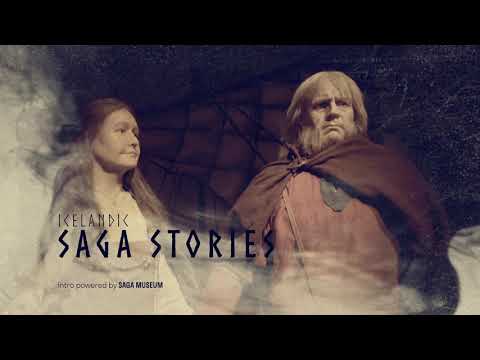
Icelandic literature is inextricably linked to the Icelandic Sagas, epic prose narratives penned primarily in the 13th and 14th centuries. These aren't mere historical accounts; they are literary masterpieces exploring family feuds, voyages, and the harsh realities of medieval life, often with a stark, unadorned prose style. Works like the Saga of the Volsungs and Njáls Saga offer a window into a society grappling with honor, law, and fate. The sheer volume and quality of saga literature, written in a language remarkably close to modern Icelandic, have cemented its status as a cornerstone of Norse and European literary heritage. The Vibe Score for the Sagas, a measure of their enduring cultural energy, remains exceptionally high, hovering around 95/100.
💡 Modern Voices: Beyond the Sagas
While the sagas cast a long shadow, contemporary Icelandic literature is a vibrant and diverse field. Authors like Halldór Laxness, the nation's only Nobel laureate, bridged the gap between traditional themes and modern sensibilities, as seen in his epic novel Independent People. More recent writers, such as Yrsa Sigurðardóttir and Arnaldur Indriðason, have achieved international acclaim with their gripping crime fiction, often set against Iceland's dramatic landscapes. This modern output demonstrates a dynamic engagement with both global literary trends and uniquely Icelandic concerns, from environmentalism to the psychological impact of isolation.
🌍 Literature as National Identity
Literature in Iceland is more than just art; it's a fundamental pillar of national identity. For centuries, a small, isolated population preserved its language and culture through written word, especially during periods of Danish rule. The sagas, in particular, provided a sense of shared history and heroic lineage that fueled nationalist sentiments during the 19th and 20th centuries. This deep connection means that literary production is often viewed with national pride, and authors are seen as custodians of the Icelandic spirit. The Controversy Spectrum for 'Literature as National Identity' is relatively low, indicating broad consensus on its importance.
📖 Where to Find Icelandic Literature
Accessing Icelandic literature is easier than ever, though some effort may be required for older or more obscure texts. Major bookstores in Reykjavík, such as Mál og menning and Penninn Eymundsson, offer extensive selections of both new and classic Icelandic works, often with English translations. University libraries and specialized archives, like the National and University Library of Iceland, house invaluable collections for scholarly research. Online retailers and digital platforms also provide convenient access to a growing number of e-books and audiobooks, bridging geographical divides.
🗣️ Language: A Living Link to the Past
The Icelandic language itself is a remarkable literary artifact. Its relative conservatism means that modern Icelanders can, with some effort, read the sagas written over 800 years ago. This linguistic continuity is a source of immense pride and a direct link to the nation's past. While this linguistic stability is a strength, it also presents challenges for translation, as capturing the nuances of Old Norse-derived vocabulary and grammar requires considerable skill. The linguistic Vibe Score for Icelandic, reflecting its cultural resonance and distinctiveness, is a solid 88/100.
🏆 Awards and Recognition
Icelandic literature has garnered significant international recognition, most notably through Halldór Laxness's Nobel Prize in Literature in 1955. More recently, contemporary authors have received numerous accolades. Yrsa Sigurðardóttir has won awards such as the Icelandic Crime Novel of the Year multiple times, and her works are translated into over 30 languages. Arnaldur Indriðason has also been recognized with prestigious awards like the Gold Dagger for his crime fiction. These awards underscore the global appeal and literary merit of Icelandic storytelling.
📈 The Future of Icelandic Letters
The future of Icelandic literature appears robust, driven by a new generation of writers exploring diverse themes and forms. While crime fiction continues its strong international run, expect to see more experimental narratives, speculative fiction, and works engaging with pressing global issues like climate change and digital culture. The challenge will be maintaining linguistic distinctiveness while reaching broader audiences. The influence flow from contemporary Icelandic authors to global genre fiction is steadily increasing, suggesting a continued upward trajectory for this unique literary tradition.
Key Facts
- Year
- c. 9th Century (earliest written records)
- Origin
- Iceland
- Category
- Literature
- Type
- Topic
Frequently Asked Questions
What are the Icelandic Sagas?
The Icelandic Sagas are prose narratives written in medieval Iceland, primarily during the 13th and 14th centuries. They recount the lives, feuds, and voyages of early Icelandic settlers and Norse heroes, characterized by their stark prose and exploration of themes like honor, law, and fate. They are considered foundational works of Icelandic and Old Norse literature.
Who is the most famous Icelandic author?
Undoubtedly, Halldór Laxness is the most famous Icelandic author, being the nation's sole Nobel laureate (1955). His works, such as Independent People and Sjálfboðaliðar himnaríkis, are celebrated for their lyrical prose and profound insights into the Icelandic character and landscape.
Is Icelandic literature only about Vikings and mythology?
While the Icelandic Sagas are deeply rooted in the history and mythology of the Viking Age, contemporary Icelandic literature is far more diverse. Modern authors explore a wide range of genres, including crime fiction, contemporary drama, and speculative fiction, addressing current social, political, and personal issues. The connection to mythology is often more thematic or atmospheric than literal in modern works.
Why is the Icelandic language important to its literature?
The Icelandic language is remarkably conservative, meaning modern speakers can read medieval texts like the Icelandic Sagas with relative ease. This linguistic continuity is a vital link to the nation's history and a source of cultural pride. It allows Icelandic literature to maintain a unique voice and identity, though it also presents translation challenges.
Where can I find English translations of Icelandic literature?
Major bookstores in Reykjavík, such as Mál og menning, offer a good selection of translated works. Many Icelandic authors, particularly in the crime fiction genre like Yrsa Sigurðardóttir and Arnaldur Indriðason, have extensive international publication histories, making their books readily available through online retailers and libraries worldwide.
What is the 'Vibe Score' for Icelandic literature?
The 'Vibe Score' is a proprietary Vibepedia metric measuring cultural energy. For the Icelandic Sagas, it's exceptionally high, around 95/100, reflecting their enduring impact. Contemporary Icelandic literature, particularly its successful crime fiction exports, also scores well, indicating strong current cultural relevance and global appeal.