
Contents
Overview
Impressionist museums serve as crucial centers for understanding the artistic revolution that challenged academic conventions. The Musée d'Orsay evolved from royal palaces and former railway stations. The Metropolitan Museum of Art in New York boasts significant holdings of Impressionist art. Impressionist museums function as custodians and disseminators of this pivotal art historical period. Core operations of these museums involve acquisition, conservation, research, and exhibition of artworks. Paul Durand-Ruel was a pivotal dealer who championed the Impressionists from the 1870s. The National Gallery and the Museum of Modern Art (MoMA) have been instrumental in acquiring and exhibiting Impressionist works. Impressionist museums have profoundly shaped public perception of art. The visual language of Impressionism has permeated popular culture. The Louvre and the Metropolitan Museum of Art have expanded their online collections and virtual tours. There is a growing emphasis on re-contextualizing Impressionism and addressing colonial contexts of acquisitions. Institutions are experimenting with immersive technologies and interactive exhibits. The restitution of works by artists like Camille Pissarro to heirs of original owners remains a significant challenge. Debates arise regarding the canonization of Impressionism, with critics arguing that the focus on a select few male artists overshadows others. The immense commercial value of Impressionist art can lead to debates about accessibility. The future of Impressionist museums will likely involve a continued push for digital innovation and global reach.
🎵 Origins & History
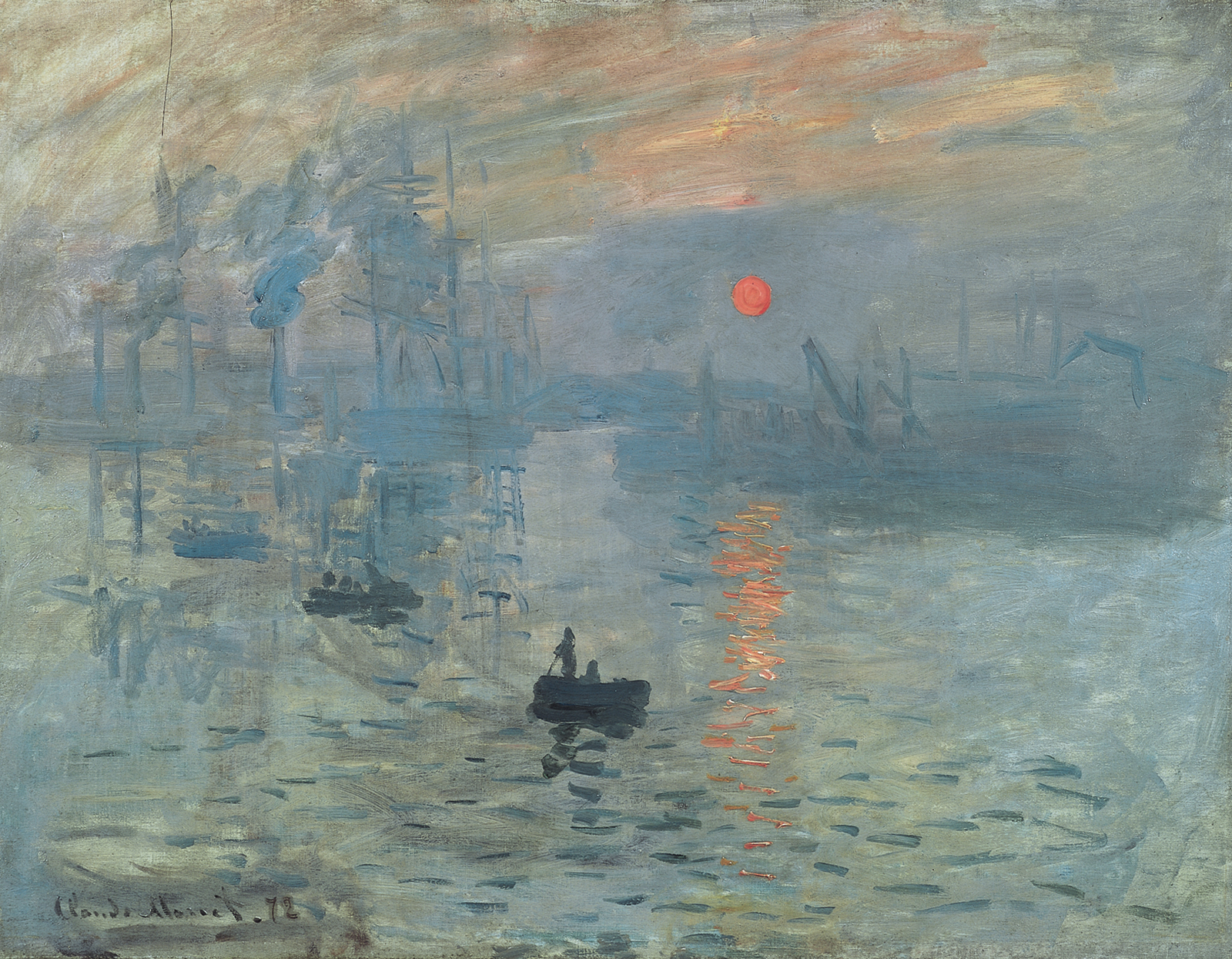
The genesis of Impressionist museums is intrinsically linked to the rise of Impressionism itself, a movement that defied the rigid Salon system of 19th-century France. Initially met with derision, works by artists like Claude Monet, Pierre-Auguste Renoir, and Edgar Degas were first displayed in independent exhibitions, notably the first in 1874, which gave the movement its name via a satirical review of Monet's 'Impression, Sunrise'. As public and critical acceptance grew, private collectors began acquiring these works, forming the foundations of future museum collections. Key institutions like the Musée d'Orsay in Paris, which now houses the world's largest collection of Impressionist and Post-Impressionist art, evolved from royal palaces and former railway stations, transforming spaces to celebrate this revolutionary art. The Metropolitan Museum of Art in New York also boasts significant holdings, acquired through donations and strategic purchases from the late 19th century onwards.
⚙️ How They Function
Impressionist museums function as custodians and disseminators of this pivotal art historical period. Their core operations involve the acquisition, conservation, research, and exhibition of Impressionist and Post-Impressionist artworks. This includes meticulous climate control to preserve delicate canvases, scholarly research to contextualize the art and artists, and the curation of exhibitions that often travel internationally, fostering cross-cultural appreciation. These institutions also serve vital educational roles, offering guided tours, lectures, workshops, and digital resources to demystify the techniques and historical significance of works by artists such as Camille Pissarro and Berthe Morisot. The physical layout of these museums, from the Louvre's vast halls to the more intimate galleries of smaller regional museums, is designed to enhance the viewer's experience of light, color, and brushwork.
📊 Key Facts & Numbers
Globally, Impressionist museums attract tens of millions of visitors annually. Major collections often comprise hundreds, if not thousands, of works. These institutions represent significant economic engines for their cities, generating substantial revenue through ticket sales, gift shops, and tourism, with an estimated economic impact often in the hundreds of millions of dollars annually for major museum complexes.
👥 Key People & Organizations
The establishment and growth of Impressionist museums are tied to influential collectors, curators, and art historians. Figures like Paul Durand-Ruel, a pivotal dealer who championed the Impressionists from the 1870s, played a crucial role in bringing their work to public attention and into private collections that would later form museum holdings. Curators such as John Rewald, whose seminal work 'The History of Impressionism' (1946) solidified the movement's academic standing, have shaped institutional narratives. Organizations like the National Gallery and the Museum of Modern Art (MoMA) in New York have been instrumental in acquiring and exhibiting these works, often through the generosity of patrons like Gertrude Vanderbilt Whitney and the Rockefeller family.
🌍 Cultural Impact & Influence
Impressionist museums have profoundly shaped public perception of art, democratizing access and shifting aesthetic values away from academic realism towards subjective experience and modern life. They introduced millions to the concept of capturing fleeting moments and the subjective experience of light and color, influencing subsequent art movements like Post-Impressionism, Fauvism, and even abstract art. The visual language of Impressionism, with its emphasis on visible brushstrokes and vibrant palettes, has permeated popular culture, appearing in everything from film set design to advertising. These museums serve as cultural touchstones, fostering national pride and international dialogue through their collections and exhibitions, making art accessible beyond elite circles.
⚡ Current State & Latest Developments
In the current landscape, Impressionist museums are increasingly focusing on digital engagement and accessibility. The Louvre and the Metropolitan Museum of Art have expanded their online collections and virtual tours, reaching global audiences. There's a growing emphasis on re-contextualizing Impressionism, exploring the contributions of often-overlooked artists, particularly women like Mary Cassatt and Eva Gonzalès, and addressing the colonial contexts of some acquisitions. Institutions are also experimenting with immersive technologies and interactive exhibits to engage younger demographics. The Musée d'Orsay continues to be a benchmark, with ongoing research into conservation techniques and exhibition design.
🤔 Controversies & Debates
Controversies surrounding Impressionist museums often center on provenance, particularly concerning art looted during wartime, such as by the Nazis. The restitution of works by artists like Camille Pissarro to heirs of original owners remains a significant ethical and legal challenge for institutions like the Guggenheim Museum. Debates also arise regarding the canonization of Impressionism, with critics arguing that the focus on a select few male artists overshadows a more diverse range of practitioners and related movements. Furthermore, the immense commercial value of Impressionist art can lead to debates about accessibility, with high ticket prices sometimes seen as a barrier, and discussions about the role of private collectors versus public institutions in shaping collections.
🔮 Future Outlook & Predictions
The future of Impressionist museums will likely involve a continued push for digital innovation and global reach, making collections accessible to anyone with an internet connection. Expect more exhibitions that highlight underrepresented artists and explore the socio-political contexts of the Impressionist era, moving beyond a purely aesthetic appreciation. Museums may also increasingly leverage virtual reality and augmented reality to create more immersive visitor experiences, potentially allowing users to 'step into' paintings or explore historical studios. The challenge will be balancing technological advancement with the preservation of the physical artwork and the unique, tangible experience of viewing art in person, ensuring these institutions remain cultural anchors.
💡 Practical Applications
The primary application of Impressionist museums is cultural enrichment and education, providing direct engagement with seminal works of Western art. They serve as vital resources for art historians, students, and the general public, offering tangible evidence of artistic innovation and historical context. Beyond direct art appreciation, these museums contribute significantly to tourism economies, acting as major cultural attractions that draw visitors and stimulate local businesses. They also provide platforms for interdisciplinary learning, connecting art with history, sociology, and even science through discussions of light and optics. Furthermore, the conservation techniques developed and employed by these museums advance the broader field of art preservation.
Key Facts
- Category
- aesthetics
- Type
- topic