
Contents
Overview
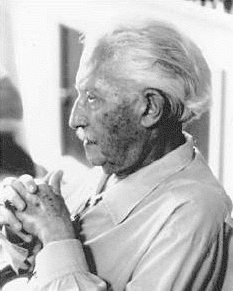
The concept of Intimacy vs. Isolation was formally introduced by psychologist Erik Erikson in his seminal 1950 work, "Childhood and Society." Erikson, who was heavily influenced by Sigmund Freud's psychosexual stages, expanded upon Freudian theory by emphasizing the role of social and cultural factors throughout the entire lifespan, not just childhood. He posited that each stage presents a psychosocial crisis that must be resolved for healthy development. The Intimacy vs. Isolation stage, occurring after Identity vs. Role Confusion (adolescence) and before Generativity vs. Stagnation (middle adulthood), specifically addresses the challenges faced by young adults as they navigate the complexities of forming deep interpersonal bonds. Erikson's wife, Joan Erikson, later collaborated on and expanded his theories, highlighting the enduring relevance of these stages across the lifespan.
⚙️ How It Works
This stage functions as a critical juncture where individuals, having established a sense of self (identity), are then faced with the challenge of merging their identity with that of another without losing themselves. It involves the capacity to commit to relationships, whether romantic, platonic, or familial, characterized by mutual trust, vulnerability, and a willingness to share one's life. Success means developing the ability to form close, enduring relationships and experiencing the virtue of love. Failure, however, leads to a sense of isolation, characterized by avoidance of close relationships, fear of commitment, and a feeling of being disconnected from others. This can manifest as superficial relationships, social withdrawal, or a general distrust of others, impacting one's ability to navigate subsequent developmental stages.
📊 Key Facts & Numbers
Research suggests that individuals who achieve higher levels of intimacy report greater life satisfaction. Estimates suggest that a significant portion of young adults may experience difficulties, leading to prolonged periods of isolation, which has been linked to a higher risk of developing mental health issues such as depression and anxiety. The age for resolving this crisis can vary significantly based on individual experiences and cultural contexts.
👥 Key People & Organizations
The primary architect of this stage is Erik Erikson, whose theoretical framework has profoundly shaped developmental psychology. His wife, Joan Erikson, was a crucial collaborator, co-authoring "Vital Involvement in Old Age" and further elaborating on the stages. Prominent psychologists such as Robert Peck built upon Erikson's work, focusing on the challenges of middle and later adulthood. Within the field, institutions like the Yale University Department of Psychology have been instrumental in researching and testing Eriksonian theories, with numerous studies published in journals like "Developmental Psychology" and "Child Development." Organizations like the American Psychological Association (APA) frequently feature discussions and research related to these developmental milestones.
🌍 Cultural Impact & Influence
The Intimacy vs. Isolation stage has deeply permeated Western culture, influencing literature, film, and societal expectations around young adulthood. The narrative arc of finding love and forming lasting partnerships is a dominant theme in countless stories, from classic novels like "Pride and Prejudice" to modern romantic comedies. Societal pressure to "settle down" by a certain age often reflects the cultural emphasis on successfully navigating this stage. The concept has also influenced therapeutic approaches, with many forms of psychotherapy, such as attachment-based therapy and Emotionally Focused Therapy (EFT), focusing on improving individuals' capacity for intimacy and addressing patterns of isolation. The widespread adoption of dating apps like Tinder and Bumble can be seen as a modern, technologically mediated attempt to facilitate connection, though their efficacy in fostering genuine intimacy is a subject of ongoing debate.
⚡ Current State & Latest Developments
In 2024, the landscape of intimacy is rapidly evolving, influenced by digital communication and changing social norms. While the core challenge of Intimacy vs. Isolation remains, the methods of connection and the definition of intimacy are being redefined. The rise of virtual reality and metaverse platforms presents new frontiers for forming relationships, blurring the lines between physical and digital intimacy. Simultaneously, there's a growing awareness of "loneliness epidemics" in many developed nations, with organizations like the U.S. Surgeon General issuing advisories on the public health crisis of loneliness. This suggests that while the stage is universal, the societal context and available tools for navigating it are in constant flux, potentially leading to new challenges and resolutions.
🤔 Controversies & Debates
A significant controversy surrounding Erikson's stages, including Intimacy vs. Isolation, is their perceived Western-centric bias and potential for cultural insensitivity. Critics argue that the emphasis on individualistic achievement of intimacy may not align with collectivist cultures where interdependence is prioritized. Furthermore, the stage's rigid age ranges have been challenged; some researchers, like Carol Gilligan, have pointed out that women's development, particularly regarding relationships, may follow different trajectories. The very definition of "success" in this stage is debated: is it solely about romantic partnership, or does it encompass broader forms of deep connection? The increasing prevalence of chosen families and non-traditional relationship structures also complicates a straightforward interpretation of this stage.
🔮 Future Outlook & Predictions
The future outlook for Intimacy vs. Isolation suggests a continued evolution driven by technology and societal shifts. We may see the emergence of new forms of digital intimacy that are more sophisticated and immersive, potentially offering novel ways to overcome isolation for some, while perhaps exacerbating it for others. The concept of "relationship science" is gaining traction, with researchers at institutions like Stanford University employing data analytics to understand relationship dynamics. There's also a growing focus on preventative mental health strategies, aiming to equip individuals with the skills to foster intimacy early on, potentially reducing the prevalence of isolation-related issues in young adulthood and beyond. The long-term impact of remote work and increased digital interaction on the formation of deep bonds remains a key area for future study.
💡 Practical Applications
The principles of Intimacy vs. Isolation have direct practical applications in various fields. In couples therapy, understanding this stage helps identify core issues related to commitment, trust, and emotional connection. For career counseling, recognizing that individuals may prioritize relationship building over career advancement during this phase can inform guidance. Educators and youth mentors can use this framework to support adolescents and young adults in developing healthy social skills and understanding the importance of meaningful relationships. Furthermore, public health initiatives aimed at combating loneliness can draw on Erikson's insights to design interventions that foster social connection and community engagement, particularly in urban environments where anonymity can contribute to isolation.
Key Facts
- Category
- philosophy
- Type
- topic